

Key Takeaways
- Each roofing material comes with unique strengths and limitations that affect its suitability for different homes.
- Weather, cost, durability, and maintenance are crucial elements in selecting the most appropriate roofing option.
- Routine care and proper installation by experienced professionals can significantly extend the lifespan of your roof.
Table of Contents
- Asphalt Shingles
- Metal Roofing
- Clay and Concrete Tiles
- Wood Shakes and Shingles
- Slate Roofing
- Synthetic Roofing Materials
- Factors to Consider When Choosing Roofing Materials
- Conclusion
Choosing the right roofing material for your home can directly impact the comfort, appearance, and value of your property. With so many options available on the market, understanding which material fits your needs is essential. Whether you are embarking on new construction or planning a replacement, consulting a trusted roofer is a smart first step for a successful roofing project.
Different roofing materials offer unique benefits, but factors like budget, climate, longevity, and aesthetics are equally significant in your decision. Considering these elements allows homeowners to make confident decisions that align with both practical and visual preferences. Reliable roofing not only protects your investment but also elevates the look of your home for years to come.
Experts suggest that roofing materials should complement the architecture of your house while being able to withstand the local environmental conditions. Taking time to balance longevity, appearance, and cost ensures that your roof will serve its purpose efficiently with minimal issues. Additionally, understanding the impact of maintenance requirements can aid in the upkeep and durability of your roofing.
For those researching options tailored to their region or home style, discovering the range of residential roofing solutions can simplify the decision-making process, especially when guided by knowledgeable professionals.
Asphalt Shingles
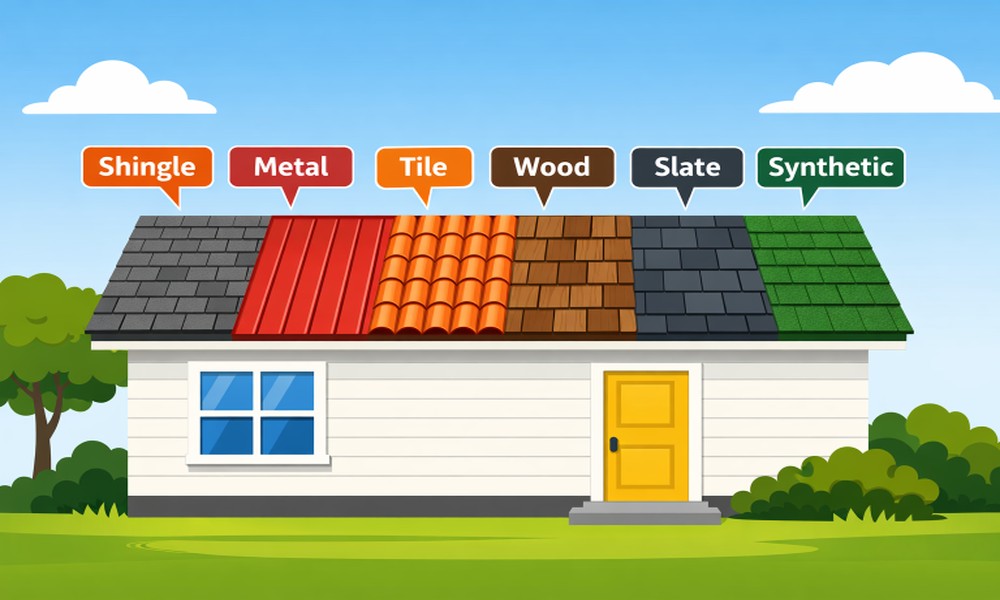
One of the most common choices across North America, asphalt shingles are favored for their cost-effectiveness and straightforward installation. There are two primary types to consider:
- Three-tab shingles: These are flat, uniform, and affordable, making them ideal for those on a tight budget. Their lighter weight makes for an easier installation but can mean a shorter lifespan, especially in areas exposed to high wind or hail.
- Architectural shingles: These offer greater thickness, better durability, and an enhanced, layered look. Homeowners willing to invest a bit more often choose these for their longevity and attractive finish.
Asphalt shingles can last up to 30 years with proper care but may be vulnerable to weather extremes. Regular inspections are recommended, especially following storms.
Metal Roofing
Metal roofs are distinguished by their remarkable durability and ability to reflect heat from the sun, reducing energy bills in warm climates. Materials include steel, aluminum, and, occasionally, copper, all known for their resilience and long-term reliability.
While metal roofing tends to have a higher upfront cost, its lifespan of 40 to 70 years offsets the investment. It’s an excellent option for regions prone to severe weather, as these roofs resist wind, hail, and fire. However, installation demands skilled labor, so hiring qualified professionals is crucial for optimal performance. For a detailed discussion on the pros and cons of metal roof installation near me, you can watch the following video:
Clay and Concrete Tiles
Clay and concrete tiles are cherished for their striking, classic appearance and are often found on homes with Mediterranean, Spanish, or Southwestern style architecture. These tiles excel in fire resistance and durability, frequently lasting 40 years or longer.
Because they are heavy, additional structural support may be essential, increasing both material and installation costs. Their robust properties make them suitable for climates with intense sun and occasional heavy storms. Maintenance includes occasional tile replacement and cleaning to prevent moss buildup.
Wood Shakes and Shingles
Wood roofing offers unmatched natural warmth and is often selected for vintage, rustic, or craftsman-style homes. Wood shakes and shingles, commonly crafted from cedar, redwood, or pine, add texture and charm.
The insulation properties of wood are a benefit, yet this material does require diligent maintenance. Homeowners must guard against moisture, insect infiltration, and potential fire hazards. Some areas restrict their use because of fire risk, although fire-resistant treatments are available. Proper sealing and regular monitoring extend the lifespan of a wood roof, which can reach up to 30 years under favorable conditions.
Slate Roofing
Slate is among the most premium roofing options, renowned for its longevity and timeless aesthetic. A well-maintained slate roof can exceed a century of use, offering natural resistance to fire and environmental hazards.
This material is also environmentally friendly as it requires minimal processing. However, slate is extremely heavy, necessitating reinforced roof framing, making it most suitable for new builds or major renovations. The high cost is balanced by the infrequency of replacement and its unmistakable style.
Synthetic Roofing Materials
Synthetic roofing is rapidly gaining popularity due to its lightweight composition and versatility. These materials often replicate the appearance of natural options such as slate and wood but are engineered using rubber, plastic, or polymer. They resist cracking, fading, and mold, and are generally easier to install thanks to their lighter weight.
Synthetics typically offer a lower price, less maintenance, and improved resistance to weather. These products continue to evolve, providing greater options for homeowners focused on both performance and style.
Factors to Consider When Choosing Roofing Materials
- Climate: Materials should be chosen based on local precipitation, wind, heat, and exposure to sunlight or salt air. For example, metal roofing is well-suited to hurricane-prone areas, while tile or slate performs well in hot, sunny regions.
- Budget: Upfront costs vary, but so do maintenance requirements and expected lifespan. Calculate long-term costs, including replacements and repairs, in your planning.
- Aesthetic Appeal: Ideally, the roof should complement your home’s architectural style, enhancing curb appeal and potentially increasing property value.
- Maintenance: Understand the level of care necessary for your chosen material, as some options require more frequent professional attention than others.
- Energy Efficiency: Some roofing choices, like metal or light-colored tiles, can improve your home’s energy efficiency by reflecting sunlight and insulating against heat.
Conclusion
Choosing the right roofing material is a significant decision for any homeowner. A well-chosen roof will not only protect your house for decades but also contribute to its overall beauty and value. Weighing the pros and cons of each option and considering local climate, budget, and architectural style will allow you to make a decision you can feel good about long-term. Stay proactive in roof care and work with reputable professionals to maximize your roof’s performance and longevity.
