

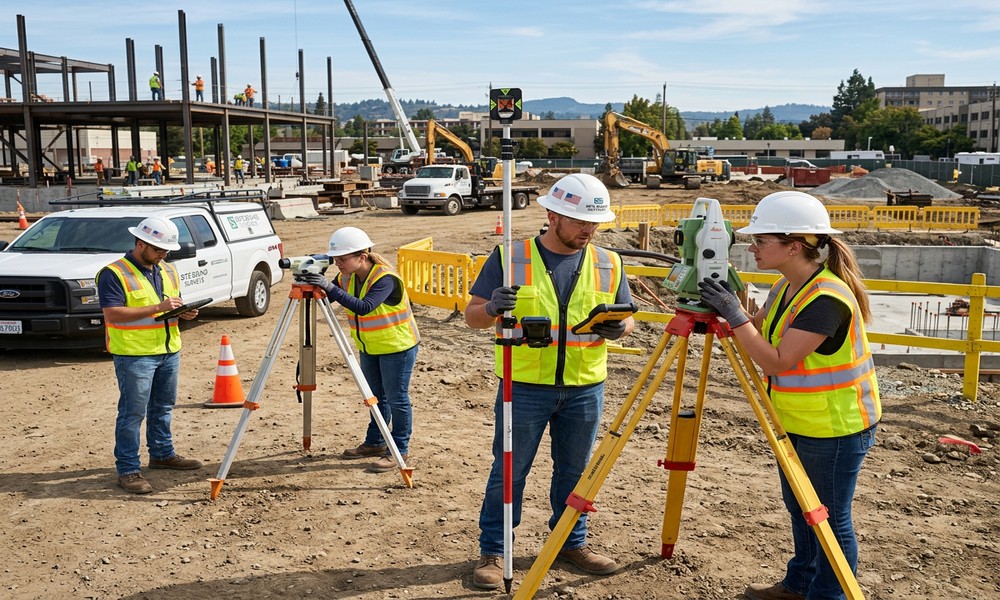
The Pre-Construction Phase: Scope, Team, and Feasibility
The journey to a new home begins long before the first shovel breaks ground. The pre-construction phase is a critical period for laying a robust foundation for the entire project. This stage involves meticulous planning, comprehensive analysis, and assembling the right team to translate a vision into a tangible blueprint. Neglecting this phase can lead to costly delays, budget overruns, and compromises on quality down the line.
Our approach to pre-construction planning is holistic, encompassing everything from detailed feasibility studies to site-specific analysis. We delve deep into understanding the unique characteristics of the land, including soil quality, topography, and drainage patterns, which are paramount for structural integrity and long-term stability. Equally important is assessing utility availability and access, ensuring your future home is seamlessly connected to essential services. This early groundwork allows us to anticipate challenges and integrate solutions proactively.
Assembling a cohesive and skilled team is another cornerstone of this phase. This typically includes architects, structural engineers, and other specialized consultants who bring their expertise to bear on the project. Their collaborative efforts ensure that the design is not only aesthetically pleasing but also structurally sound, energy-efficient, and compliant with all regulations. For projects aiming for exceptional performance and innovative design, engaging experts in High-performance construction planning can be transformative, optimizing everything from energy consumption to indoor air quality. This initial planning differs from overall construction project management in its focus on conceptualization, detailed design, and regulatory approvals before physical construction commences. Our primary objective here is to define a clear path forward, setting realistic expectations and project goals from the outset.
Defining Scope in Residential Construction Planning
Defining the project scope is perhaps the most crucial step in pre-construction. It involves a thorough exploration of client expectations, lifestyle needs, and design preferences. We work closely with homeowners to understand their vision, addressing questions about desired architectural styles, number of rooms, specific functionalities, and future-proofing considerations like adaptable spaces for growing families or aging-in-place features.
This detailed discussion helps us outline exactly what will be included in the build, and just as importantly, what will not. We consider design constraints imposed by the site itself, such as property boundaries, setback requirements, and environmental considerations like existing trees or sensitive ecosystems. By clearly articulating these parameters, we prevent misunderstandings and ensure that the final design aligns perfectly with the homeowner’s aspirations and the site’s realities. Every decision made at this stage, from space allocation to material preferences, directly impacts the project’s feasibility and success.
Assembling the Professional Project Team
A residential construction project is a symphony of specialized skills, and assembling the right orchestra is vital. Our team typically includes a general contractor who acts as the central coordinator, overseeing all aspects of the build. Alongside them, we engage a network of specialized consultants, such as geotechnical engineers for soil analysis, civil engineers for site grading and drainage, and mechanical, electrical, and plumbing (MEP) engineers to design efficient systems.
For interior aesthetics and functionality, an interior designer is often brought in early to integrate finishes, fixtures, and spatial layouts. Landscape architects contribute to the overall appeal and functionality of outdoor spaces, ensuring harmony between the home and its environment. Establishing clear communication protocols among these diverse professionals is paramount. Each team member’s role is meticulously defined, fostering accountability and ensuring that all components of the project are executed to the highest standards, from initial concept to final touches.
Mastering Residential Construction Planning: Timelines and Budgeting
Effective residential construction planning hinges on two critical pillars: a realistic timeline and an accurate budget. Without these, even the most innovative design can falter. We understand that homeowners need clarity and predictability, which is why we dedicate significant effort to developing comprehensive schedules and detailed cost estimations. This process involves breaking down the entire project into manageable phases, assigning resources, and forecasting expenses with precision.
Our budgeting process accounts for both “hard costs” – the direct expenses related to physical construction – and “soft costs,” which cover planning, permits, and professional services. National averages provide a starting point, but we always tailor estimates to local labor rates, specific material pricing, and site-specific challenges. A crucial element of our financial planning is the inclusion of a contingency fund, ideally 10-15% of the total budget, to absorb unexpected expenses and maintain financial transparency throughout the project. We also consider potential inflation adjustments for longer projects to ensure the budget remains viable.
Developing a Detailed Schedule and Timeline
A well-structured schedule is the backbone of any successful construction project. We utilize tools like Gantt charts to visually represent project phases, tasks, and their durations, providing a clear overview for all stakeholders. The critical path method (CPM) helps us identify the sequence of tasks that must be completed on time for the project to finish by its deadline, highlighting dependencies and potential bottlenecks. This allows us to prioritize activities and allocate resources effectively.
We meticulously account for lead times for materials, especially custom orders or specialty items, and factor in potential delays due to weather or permit approvals. Our schedules detail major construction phases, including:
- Pre-Construction & Design: Site analysis, architectural drawings, engineering, permit applications.
- Site Preparation: Land clearing, grading, excavation, utility rough-ins.
- Foundation: Footings, slab or basement construction, waterproofing.
- Framing: Walls, roof structure, sheathing.
- Rough-Ins: Plumbing, electrical, HVAC systems.
- Insulation & Drywall: Thermal and sound insulation, interior wall finishes.
- Exterior Finishes: Roofing, siding, windows, doors.
- Interior Finishes: Flooring, cabinetry, painting, trim, fixtures.
- Landscaping & Driveways: Exterior grading, hardscaping, planting.
- Final Inspections & Punch List: Quality checks, system testing, client walkthrough.
Milestone tracking ensures that progress is consistently monitored against the plan, allowing for timely adjustments. We also consider “float time,” which refers to the amount of time a task can be delayed without affecting the project’s overall completion date, providing flexibility for non-critical activities.
Strategies for Accurate Cost Estimation
Accurate cost estimation is a complex process that goes beyond simple square footage calculations. We employ a multi-faceted approach, starting with detailed quantity takeoffs to determine the exact amount of materials needed. We solicit competitive bids from trusted subcontractors for each trade, ensuring fair pricing and quality workmanship. Additionally, we obtain supplier quotes for major materials, locking in prices where possible to mitigate market fluctuations.
It’s essential to account for hidden costs that often surprise homeowners, such as permit fees, utility connection charges, impact fees, and specialized engineering reports. Site-specific variables, like challenging topography or unusual soil conditions, can significantly impact excavation and foundation costs. We also guide clients through various financing options, helping them secure the best terms for their construction loan. Regular reviews of the budget against actual expenditures are conducted to maintain financial control and provide transparency throughout the build.
Navigating Regulatory Compliance and Risk Management
Building a home involves a labyrinth of regulations designed to ensure safety, quality, and community standards. Navigating this complex landscape of zoning laws, building codes, and local ordinances is a critical aspect of residential construction planning. Our team is adept at understanding and adhering to these requirements, which vary significantly by jurisdiction. We proactively address concerns related to impact fees, which are charges imposed by local governments to offset the costs of increased public services due to new development.
Beyond compliance, comprehensive risk management is integral to protecting the project, the investment, and all parties involved. This includes securing adequate insurance requirements, such as builder’s risk and liability coverage, and establishing clear contractual protections with all contractors and subcontractors. Our process involves identifying potential risks early, developing mitigation strategies, and having contingency plans in place. We also establish clear procedures for handling change orders, ensuring that any modifications to the original plan are properly documented, costed, and approved to avoid disputes.
Permit Acquisition and Legal Considerations
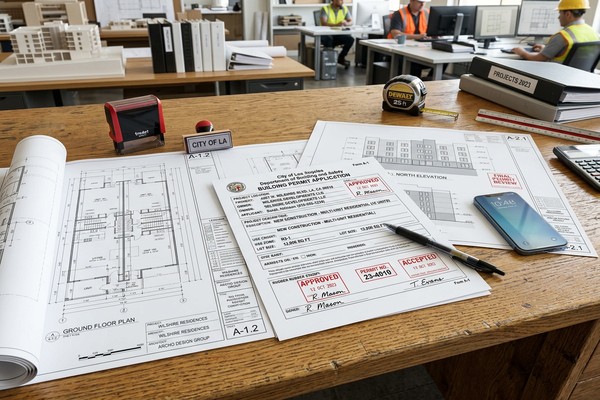
The permit acquisition process can be one of the most time-consuming phases of residential construction. It requires submitting detailed plans and documentation to various municipal departments for approval. This can include zoning variances for properties that don’t conform to standard regulations, environmental permits for projects in sensitive areas, and septic system approvals for homes not connected to public sewers. In some regions, like Santa Rosa, there are strict tree preservation regulations that require specific permits for removal or even significant pruning.
We manage the entire permit application process, liaising with local authorities and responding promptly to any requests for additional information. This proactive approach helps to minimize delays. Furthermore, we establish a clear inspection schedule with the relevant building departments, ensuring that all necessary checks are performed at critical stages of construction. Obtaining a Certificate of Occupancy at the project’s conclusion is the final legal step, confirming that the home meets all safety and building code requirements and is ready for habitation.
Managing Common Construction Risks
Residential construction projects are susceptible to various risks that can impact timelines and budgets. Weather delays are a common challenge, from heavy rains impacting foundation work to extreme temperatures affecting material curing. We factor these possibilities into our scheduling and implement protective measures where possible. Material shortages, exacerbated by global supply chain issues, can halt progress, so we prioritize early procurement and identify alternative suppliers.
Labor availability and skilled trade shortages can also pose significant challenges. We mitigate this by working with a network of reliable subcontractors and maintaining flexible scheduling. Safety protocols are rigorously enforced on every job site to prevent accidents and ensure compliance with occupational health and safety standards, protecting both workers and the project. In the event of unforeseen issues, we have clear dispute resolution mechanisms in place. Comprehensive liability coverage is a non-negotiable aspect of our planning, safeguarding against potential claims arising from property damage or injury during construction.
Execution: Site Preparation, Materials, and Resource Allocation
With planning complete and permits secured, the project moves into the execution phase, beginning with critical Residential site preparation. This stage transforms raw land into a build-ready parcel, setting the physical stage for your new home. Our team meticulously manages every aspect, ensuring the site is prepared to the highest standards.
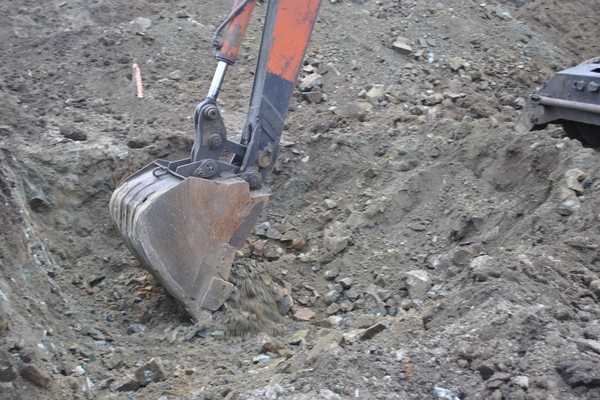
This involves comprehensive land clearing to remove vegetation, followed by any necessary demolition of existing structures. Precision grading is then performed to create the desired contours, ensuring proper drainage away from the future foundation and preparing the ground for landscaping. Soil stabilization techniques may be employed to improve bearing capacity and prevent settlement. Erosion control measures, such as silt fences and straw wattles, are implemented to protect the surrounding environment during construction. Utility trenching is carefully executed for water, sewer, electrical, and communication lines, followed by foundation excavation, precisely digging to the specifications of the architectural plans. Throughout this phase, effective subcontractor coordination is key, ensuring that each specialized trade works seamlessly with the overall schedule. Material procurement is ongoing, with careful tracking of deliveries to maintain project flow. We also leverage construction management software to streamline these complex operations, providing real-time updates and enhancing efficiency across the board.
Resource Management in Residential Construction Planning
Efficient resource management is paramount to keeping a residential construction project on track and within budget. This involves the strategic allocation of labor, ensuring that skilled trades are available when needed and that workforces are optimized for productivity. Equipment scheduling is carefully planned to minimize idle time and maximize utilization, from heavy machinery for excavation to specialized tools for interior finishes.
Clear and consistent team communication is fostered through regular meetings and digital platforms, ensuring everyone is aligned on daily goals, challenges, and progress. On-site logistics, including material storage, waste management, and access routes, are meticulously planned to maintain a safe and organized work environment. Furthermore, robust quality control measures are integrated into every stage of construction, from foundation pouring to final paint application, ensuring that all work meets our exacting standards and the homeowner’s expectations.
Material Selection and Supplier Coordination
The selection of materials significantly impacts a home’s aesthetic, durability, and long-term performance. We guide homeowners through choices that balance their design preferences with considerations for durability standards, energy efficiency, and maintenance requirements. An increasing focus is placed on sustainable sourcing, opting for environmentally friendly and locally produced materials where possible.
Effective supplier coordination is vital to prevent project delays. We identify long-lead items early in the planning process, such as custom windows, specialized cabinetry, or unique flooring, and place orders well in advance. Delivery sequencing is carefully managed to ensure materials arrive on-site precisely when needed, avoiding clutter and potential damage. Inventory management helps track materials, minimizing waste and preventing shortages that could halt work. Building strong relationships with reliable suppliers ensures consistent quality and timely deliveries, which are critical for maintaining project momentum.
From Final Inspection to Long-Term Maintenance
As construction nears completion, the focus shifts to ensuring every detail meets the highest standards and preparing the home for its new occupants. This phase culminates in the transition from a construction site to a fully functional, beautiful living space.
A crucial step is the final inspection and walkthrough with the homeowner. This involves creating a comprehensive punch list of any minor imperfections or outstanding tasks that need addressing. We also conduct thorough mechanical testing of all systems-HVAC, plumbing, electrical-to ensure they are operating correctly and efficiently. A detailed systems orientation is provided to homeowners, explaining how to operate everything from smart home technology to complex appliance controls.
Handover documentation includes all warranties, operating manuals, and contact information for subcontractors. We also provide guidance on warranty periods for various components of the home. Moving in can be a logistical challenge, so we offer tips for a smooth transition, including advice on utility transfers and change of address notifications. Finally, we emphasize the importance of long-term home maintenance, providing a list of essential post-construction tasks to preserve the home’s value and performance.
Essential post-construction maintenance tasks often include:
- Seasonal HVAC checks: Ensuring heating and cooling systems are running optimally.
- Gutter cleaning: Preventing water damage and maintaining proper drainage.
- Filter replacement: For HVAC systems and water purifiers.
- Exterior checks: Inspecting siding, roofing, and paint for wear and tear.
- Landscape care: Pruning, watering, and maintaining outdoor spaces.
- Sealant inspections: Checking around windows, doors, and wet areas for deterioration.
- Appliance maintenance: Following manufacturer guidelines for longevity.
These practices help ensure the home remains a comfortable, efficient, and beautiful space for years to come.
Frequently Asked Questions about Residential Construction Planning
How long does the typical home building process take?
According to the U.S. Census Bureau, building a family home can take around seven months on average. However, this is a broad average, and the actual timeline can vary significantly. Custom homes, for instance, often take longer due to unique design elements, specialized materials, and more extensive planning. Factors such as adverse weather impacts, the efficiency of permit approval processes in a given locality, and the availability of materials and skilled labor can all influence the overall timeline. It’s crucial to establish a realistic schedule during the planning phase, accounting for these variables.
What is a realistic contingency fund for a new build?
We strongly recommend including a contingency fund of ideally 10-15% of the total project budget for any new home construction. This fund is essential for covering unexpected expenses that inevitably arise during a complex project. These might include unforeseen site conditions discovered during excavation, sudden price volatility in materials, or minor design changes requested during construction. Having this reserve prevents budget overruns and provides a financial buffer, ensuring the project can proceed smoothly without compromising quality or causing undue stress.
Why is site analysis performed before the design phase?
Site analysis is a foundational step performed before the architectural design phase for several critical reasons. It provides essential data about the property’s unique characteristics, which directly inform and influence the design. Understanding soil stability, for example, is crucial for foundation engineering, dictating the type and depth of the foundation required. Slope considerations impact grading, drainage, and potential for walk-out basements. Analyzing solar orientation allows for optimizing window placement for natural light and energy efficiency. Comprehensive drainage requirements are identified to prevent future water issues. Without this preliminary analysis, a design might be created that is impractical, excessively costly to build, or even non-compliant with local regulations, potentially leading to expensive redesigns and delays.
Conclusion
Residential construction planning is far more than just drawing blueprints; it is the strategic orchestration of countless details, decisions, and skilled professionals. From the initial spark of an idea to the final walkthrough, meticulous planning serves as the unwavering compass guiding the entire journey. We’ve explored how defining project scope, assembling the right team, and mastering budgets and timelines are indispensable for a successful build. Navigating regulatory compliance, implementing robust risk management, and ensuring efficient execution through careful site preparation and resource allocation are equally vital.
The long-term value and enduring quality of a home are direct reflections of the planning that precedes its construction. By embracing professional collaboration and a comprehensive planning approach, we can transform the complex process of home building into a rewarding experience, culminating in a residence that not only meets but exceeds expectations. The success of any project, large or small, rests on the strength of its groundwork.
