Why Regular Exterior Upkeep is a Critical Investment
A home is often our most significant investment. Its exterior is not only the first thing people see, but also its primary shield against weather, pests, and time. Neglecting this crucial aspect can lead to significant problems, from minor cosmetic issues to expensive structural damage.
We understand that maintaining a home’s exterior can feel overwhelming. That’s why we’ve created this extensive guide. We will help you understand why regular upkeep is essential for long-term protection and value. We will also show you how to master key tasks for your roof, gutters, siding, and other critical components. For more complex needs, like exterior maintenance and window replacement, knowing when to call a professional can save you time and money.
Our goal is to equip you with the knowledge and actionable steps needed to keep your home safe, beautiful, and valuable for years to come.
The exterior of your home plays a dual role: it’s both the first impression for visitors and a vital protective shell. A well-maintained exterior signals pride of ownership and contributes significantly to your property’s overall appeal and value. Conversely, a neglected exterior can quickly lead to a cascade of problems, from diminished curb appeal to costly structural failures.
Consider curb appeal alone: a YouGov survey found that 68% of homebuyers consider it an important factor in their purchase decision. This statistic underscores how crucial the visual presentation of your home is, not just for potential buyers, but for your own enjoyment and neighborhood aesthetics. Beyond aesthetics, proactive exterior maintenance is a strategic investment that yields substantial returns, protecting your home from the elements, deterring pests, and enhancing its energy efficiency. For comprehensive care that includes everything from landscaping to general exterior upkeep, services like those offered by McLeod home exterior maintenance can provide valuable support.
The Financial Benefits of Home Exterior Maintenance
Regular exterior maintenance is not an expense; it’s a critical investment that safeguards your financial well-being as a homeowner. The most significant financial benefit comes from long-term savings. By addressing minor issues promptly, you prevent them from escalating into major, expensive repairs. For instance, a small roof leak, if ignored, can lead to extensive water damage, mold growth, and compromised structural integrity, all of which can cost thousands to rectify. Proactive maintenance, such as routine gutter cleaning or sealing small cracks, is far more cost-effective.
This preventative approach also ensures investment protection. Your home is likely your largest asset, and maintaining its exterior helps preserve its market value. A well-kept exterior contributes to higher appraisal values and a stronger position in the real estate market. Furthermore, routine upkeep can be essential for insurance compliance. Some homeowner insurance policies may include clauses on maintenance, and neglecting obvious issues could jeopardize coverage for related damages.
Finally, consistent preventative care directly impacts your home’s resale value. Homes with excellent curb appeal and a visibly well-maintained exterior tend to sell faster and for higher prices. Buyers are often willing to pay a premium for a property that doesn’t require immediate repairs, recognizing the financial and emotional burden of neglected maintenance.
Protecting Against Water Damage, Pests, and Energy Loss
The exterior of your home serves as its primary defense against nature’s forces, and proper maintenance is crucial for preventing water damage, deterring pests, and optimizing energy efficiency.

Water damage is arguably the most insidious threat. Intact moisture barriers-like a sound roof, well-sealed siding, and functional gutters-are essential. When these barriers fail, water can infiltrate your home, leading to wood rot, dampness, and structural issues. For example, neglected roofing, gutters, and brickwork are common culprits for water damage. Regular inspections and repairs ensure that water is properly diverted away from your foundation and walls.
Effective exterior maintenance also provides robust pest exclusion. Cracks in the foundation, gaps around windows and doors, or deteriorating siding offer easy entry points for insects, rodents, and other unwelcome guests. Sealing these vulnerabilities is a simple yet effective way to keep pests out, preventing potential damage to wiring, insulation, and interior structures.
Lastly, a well-maintained exterior significantly contributes to your home’s thermal envelope and insulation efficiency. Gaps, cracks, and poorly sealed areas allow conditioned air to escape in summer and warm air to flee in winter, leading to increased energy consumption and higher utility bills. Addressing peeling paint, damaged siding, or worn weatherstripping helps maintain a tight thermal envelope, keeping your home comfortable and energy-efficient. This proactive approach also aids in preventing wood rot by keeping moisture away from susceptible timber and in mold mitigation by preventing the damp conditions mold needs to thrive.
Mastering Roof and Gutter Care for Water Protection
The roof and gutters are arguably the most critical components of your home’s exterior, acting as the first line of defense against precipitation. Neglecting them can lead to significant water ingress, causing damage to your home’s structure, foundation, and interior.
Routine attention to these areas is paramount. For instance, a roof survey should be conducted every 5 years to identify potential issues before they become costly problems. Similarly, gutter maintenance is recommended at least twice a year to ensure effective drainage, especially in areas prone to heavy rainfall or falling leaves. Upgrading to deep-flow gutters, for example, can increase their capacity by 30% compared to standard gutters, offering superior protection during intense storms. Without consistent care, blocked gutters and damaged roofs can direct water directly to your foundation, leading to erosion, cracks, and expensive repairs.
Essential Steps for Gutter and Downspout Care
Gutters and downspouts are your home’s drainage system, designed to channel rainwater away from the foundation. Keeping them in top condition is non-negotiable for preventing water damage.

The most fundamental step is debris removal. Leaves, twigs, moss, and other detritus can quickly accumulate, especially in autumn, leading to blockages. We recommend cleaning your gutters at least twice a year, or more frequently if trees surround your home. After cleaning, flush the gutters with water to ensure proper flow and check for any leaks.
Downpipe blockages are also common. Signs include water overflowing from gutters, pooling around the foundation, or a distinct gurgling noise from the downspout. You can often identify a blockage by tapping the downpipe: if it doesn’t sound hollow, it’s likely obstructed. Plant growth emerging from your downspouts is another clear indicator. To clear them, you might use a plumber’s snake or a high-pressure hose. For persistent issues or if the blockage is high up, professional help is advisable.
Consider installing gutter guards to reduce the frequency of cleaning. While not entirely maintenance-free, they significantly reduced debris accumulation. For optimal drainage away from the foundation, ensure your downspouts have proper extensions. Seamless aluminum extensions are durable and effective, preventing water from saturating the soil directly adjacent to your home. In areas with poor natural drainage, you might also consider installing additional drainage systems, such as French drains or soakaways, to manage excess water.
Inspecting and Repairing Roofs
Your roof is the ultimate shield against the elements, and its integrity is non-negotiable. Regular inspection and timely repairs are crucial to prevent water damage and extend its lifespan.
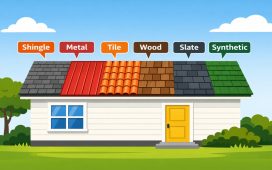
Start by inspecting your roof for shingle damage. Look for missing, cracked, curled, or buckling shingles, as these can create vulnerabilities for water intrusion. Pay close attention to areas around chimneys, skylights, vents, and valleys, where flashing leaks are common. Flashing-the metal strips installed to create a watertight seal-can corrode, lift, or become damaged over time.
Moss accumulation is another concern. While it might look quaint, moss retains moisture, which can accelerate shingle deterioration and even cause wood rot beneath. It can also add significant weight and block gutters. Gently removing moss with a soft brush or specialized cleaner is advisable.
For homes with chimneys, chimney waterproofing is essential. Masonry can be porous, allowing water to seep in, especially during freeze-thaw cycles. Products such as breathable masonry waterproofing creams can help protect against this, preventing efflorescence and structural damage. The freeze-thaw protection offered by these treatments is vital in colder climates, where expanding ice can widen small cracks into major problems.
As noted earlier, a roof survey every five years by a qualified professional is a sound preventive measure. This allows experts to identify subtle issues that might be missed during a casual visual inspection. Finally, be vigilant for water stains on your ceilings or walls, as these are tell-tale signs of an active roof leak that requires immediate attention.
Best Practices for Siding, Paint, and Structural Integrity
Beyond the roof, your home’s vertical exterior surfaces-siding, paint, soffits, and fascias-also play a critical role in protection and aesthetics. Maintaining these elements is key to preventing moisture intrusion, preserving structural integrity, and sustaining curb appeal.
Different siding materials, whether vinyl, wood, brick, stucco, or stone, each have unique maintenance needs. Regardless of the material, regular cleaning and inspection are essential. For example, even weather-resistant materials like vinyl siding can accumulate dirt, grime, and mildew, which can degrade their appearance and longevity over time. We recommend inspecting painted wood, render, and brickwork at least every two years for signs of deterioration. For comprehensive exterior care, including siding, maintenance, exterior repairs, and window replacement, professional services can ensure thorough, lasting results. When considering replacements, materials like uPVC offer superior durability and low maintenance.
Maintaining Siding, Soffits, and Fascias
The siding, soffits, and fascias of your home are crucial for both its appearance and its protection against the elements. Proper maintenance prevents moisture build-up and ensures your home’s structural health.
Soffits, located under the eaves, are vital for attic ventilation. They allow air to circulate, preventing excessive heat and moisture build-up in the attic, which can lead to mold, mildew, and wood rot. Keep soffit vents clear of obstructions, such as paint or insulation. Fascia boards run along the roofline, supporting the bottom edge of the roof tiles and carrying the gutters. They are often exposed to the elements, making them susceptible to paint deterioration or rot. Inspect them regularly for peeling paint, cracks, or soft spots. If wood fascia is rotting, it can compromise the attachment of your gutters. Replacing damaged wood with uPVC can offer a more durable and low-maintenance solution.
Regular cleaning is essential for all these surfaces. For siding, pressure washing techniques can be highly effective, but caution is advised. Always use a low-pressure setting and maintain a downward spray angle to prevent water from being forced behind the siding. For most siding types, a soft-bristle cleaning brush with a mild detergent and water solution is sufficient to remove dirt, grime, and mildew. For stubborn mold, a bleach-water mixture can be used. Promptly addressing any signs of damage or deterioration will prevent small issues from becoming larger, more costly repairs.
Identifying and Fixing Structural Issues
The structural integrity of your home’s exterior is paramount. Over time, factors such as settling, weather, and age can lead to visible issues, including wall cracks, bulging walls, or failing lintels. Identifying and addressing these problems early is crucial to prevent more significant, costly damage.
Wall cracks can vary in severity. Minor hairline cracks are often cosmetic, but wider or stepped cracks (following mortar lines) can indicate structural movement. For vertical or stepped cracks, helical bars can be used in a technique called crack stitching, which restores tensile strength to the wall without major demolition.
Bulging walls are a serious concern, often caused by corroded wall ties in cavity walls. These ties connect the inner and outer leaves of the wall, and their failure can lead to horizontal cracks and outward bulging. A common solution involves installing lateral restraints, which are ties anchored to the floor joists from the exterior, effectively pulling the wall back into alignment.
Failing lintels-the beams above windows and doors that support the masonry above-can cause cracks radiating from the corners of openings. If a lintel shows signs of bowing or cracking, it may need to be repaired or replaced by a professional.
Other issues, such as rising damp, can manifest on exterior walls, often due to a bridged DPC (damp proof course) where external ground levels are too high. Lowering ground levels and applying adamp-proofing cream can address this. Finally, efflorescence, the white powdery residue on masonry, indicates water ingress and can often be removed by scrubbing with water and a stiff brush, after which the underlying moisture problem should be addressed. For any significant structural concerns, consulting with a structural engineer or an experienced masonry professional is always recommended.
A Seasonal Home Exterior Maintenance Checklist
Home exterior maintenance isn’t a one-time event; it’s an ongoing process that changes with the seasons. Adopting a seasonal approach ensures that your home is prepared for whatever the weather brings, protecting it from damage and preserving its value.
We recommend biannual inspections-once in spring and once in fall-as a baseline for comprehensive care. However, the specific tasks and their frequency will be influenced by your local climate impact, the age of your property, and the materials used in its construction. For instance, homes in areas with heavy snowfall will have different winterization needs than those in milder climates. Beyond biannual checks, a few monthly tasks can keep things running smoothly, such as pest inspections or HVAC filter checks. Additionally, homeowners should always be aware of any homeowner association regulations that might dictate specific maintenance standards or schedules for their community. For personalized, year-round care, consider contacting professionals who offer Regal home exterior maintenance services.
Spring and Summer Tasks
As winter loosens its grip, spring is the ideal time to assess and repair any winter damage your home may have sustained. Inspect your roof, gutters, and siding for damage from ice, snow, and freezing temperatures.
- Power Washing: Give your home a fresh start by power washing siding, decks, patios, and driveways. Use a mild detergent and a low-pressure setting for siding.
- Deck Sealing: Clean and seal your wood deck every two to three years to protect it from moisture and UV damage.
- Landscaping Trim: Trim back trees and shrubs. Ensure branches do not touch the house, as this can trap moisture, damage siding, and provide pests access.
- Window Screen Repair: Inspect and repair window screens to keep insects out while allowing fresh air in.
- Sprinkler Adjustment: Adjust sprinkler heads to ensure they water your lawn and garden, not spray directly onto your foundation or siding.
- AC System Cleaning: Have your AC system cleaned and serviced to ensure it runs efficiently during the warmer months.
Summer, with its longer, warmer days, is perfect for tasks that require dry conditions, such as exterior painting or major repairs. It’s also a good time to check for leaks and ensure all systems are ready for the heat.
Fall and Winter Preparation
Fall is a critical time to prepare your home for the colder, wetter months ahead. Proactive measures now can prevent significant problems later.
- Gutter Clearing: This is paramount. Ensure your gutters are thoroughly cleared of leaves and debris at least once, and ideally twice, in the fall after most leaves have fallen. Blocked gutters are a leading cause of ice dams and foundation damage.
- Pipe Insulation: Insulate any exposed outdoor pipes and turn off and drain exterior faucets to prevent them from freezing and bursting.
- Roof Reality Check: Perform a final roof reality check before winter weather sets in. Look for any loose or missing shingles that could allow water intrusion during snow and ice.
- Snow Removal: While often a winter task, consider whether your roof might need professional snow removal if heavy snow loads are common in your area, to prevent structural stress and ice dams.
- Icicle Prevention: Address any issues that lead to excessive icicle formation, as these can indicate poor attic ventilation or insulation, which can cause ice dams and water damage.
- Furnace Inspection: Schedule a professional furnace inspection to ensure your heating system is ready for winter, preventing breakdowns and ensuring efficient operation.
- Weatherstripping: Check and replace any worn weatherstripping around windows and doors to prevent drafts and reduce energy loss.
Winter maintenance is largely about monitoring and reacting. Keep an eye on your roof for snow and ice build-up, and clear pathways to prevent slips and falls.
When to Hire a Professional for Exterior Repairs
While a diligent homeowner can handle many exterior maintenance tasks, there comes a point when calling in a professional is not just convenient, but essential. Knowing when to delegate ensures safety, quality, and often, long-term savings.
Complex structural issues, working at significant heights, or handling specialized materials often require the expertise and equipment only professionals possess. Attempting DIY repairs in these situations can pose serious safety risks to yourself and potentially worsen the problem. For instance, tasks involving complex structural issues, such as foundation cracks, significant roof damage, or failing load-bearing elements, require a professional’s technical diagnosis. They have the training to accurately identify the problem’s root cause and implement the correct, lasting solution.
Professionals also come equipped with specialized equipment that most homeowners don’t own, such as industrial-grade pressure washers, scaffolding, or diagnostic tools. Their work often includes warranty protection, giving you peace of mind that the repair is guaranteed.
Here’s a conceptual comparison of DIY vs. Professional maintenance:![TABLE] comparing DIY vs Professional maintenance
Task Category DIY Suitability Professional Suitability Cleaning Gutter clearing (single story), window washing, light power washing Gutter clearing (multi-story), deep siding cleaning, roof cleaning, complex stain removal Inspections Visual checks for obvious damage (ground level) Detailed roof surveys, structural assessments, moisture detection, pest inspections Minor Repairs Sealing small cracks, replacing a single shingle, caulking windows Flashing repair, extensive siding replacement, masonry repointing, lintel repair Major Repairs Not recommended Roof replacement, foundation repair, structural stabilization, major water damage remediation Landscaping Mowing, weeding, basic planting Tree removal, complex irrigation, large-scale landscaping design, drainage solutions Cost-Effective Tips for Home Exterior Maintenance
Maintaining your home’s exterior doesn’t have to break the bank. With a strategic approach, you can keep your property looking great and protected without excessive spending.
- Native Plants: When landscaping, choose plants well-suited to your local climate. They require less water, fertilizer, and pest control, saving you money and effort.
- Eco-Friendly Cleaners: For routine cleaning of siding, decks, and windows, opt for simple, eco-friendly cleaners like vinegar and water or mild dish soap. These are often cheaper and safer than harsh chemical products.
- Prompt Repairs: The golden rule of home maintenance: fix small issues immediately. A loose shingle, a tiny crack in the caulk, or a minor gutter leak are all prompt repairs that cost very little to address but can lead to very expensive problems if ignored.
- DIY Cleaning: For accessible areas, embrace DIY cleaning. Regularly washing windows, scrubbing siding, and clearing ground-level gutters yourself can save on professional cleaning costs.
- Mulch Application: Apply mulch around your plants and garden beds. It helps retain soil moisture, reducing the need for frequent watering, and suppresses weeds, saving you time and money on herbicides.
- Regular Mowing: Keep your lawn well-maintained by mowing regularly. A neat lawn significantly boosts curb appeal and prevents overgrowth that could harbor pests or trap moisture against your foundation.
- Debris Removal: Make routine debris removal a habit. Regularly sweep porches, patios, and walkways, and clear leaves from flower beds. This prevents organic matter from breaking down, staining surfaces, or creating damp conditions.
DIY vs. Professional Expertise
Deciding whether to tackle an exterior maintenance task yourself or call a professional often boils down to a few key factors: ladder safety, the heights involved, the complexity of the structural assessment, potential insurance claims, the need for specialized tools, your personal time management, and the availability of artistry guarantees.
For tasks that involve climbing ladders to significant heights, especially on sloped roofs, safety risks are substantial. Falls from ladders are a leading cause of home-related injuries. If you’re uncomfortable with heights or lack proper safety equipment, it’s always best to hire a professional.
Similarly, any task requiring a detailed structural assessment, such as evaluating foundation cracks, sagging rooflines, or bulging walls, should be left to experts. They have the knowledge to diagnose underlying issues, which DIYers often lack. When dealing with storm damage or other issues that might lead to insurance claims, a professional’s detailed report and repair process can be invaluable in navigating the claims process.
Many exterior repairs, like advanced masonry work or complex roof repairs, require specialized tools that are expensive to buy for a one-off job. Professionals already have these tools, along with the expertise to use them effectively. Consider your time management as well; while DIY can save labor costs, it often consumes significant personal time. If you’re short on time or prefer to spend it elsewhere, hiring a pro is a practical choice. Finally, professional contractors often provide artistry guarantees on their repairs, offering peace of mind that the work is done correctly and will last.
Frequently Asked Questions about Exterior Upkeep
Homeowners often have similar questions about maintaining their home’s exterior. Addressing these common concerns can help clarify the importance of property preservation and guide effective maintenance practices.
Why is regular exterior home maintenance important?
Regular exterior home maintenance is crucial for several reasons. Firstly, it acts as your home’s primary defense against the elements, preventing costly water damage, pest infestations, and structural deterioration. Secondly, it significantly enhances your home’s curb appeal, which is vital for both your personal enjoyment and its market value. A well-maintained exterior can increase your property’s resale value by making a strong first impression on potential buyers. Lastly, consistent upkeep improves your home’s energy efficiency by sealing gaps and cracks, leading to lower utility bills and helping ensure compliance with homeowner’s insurance policies.
How often should exterior maintenance tasks be performed?
The frequency of exterior maintenance tasks varies depending on the specific component, your local climate, and the materials used. Generally, we recommend a comprehensive exterior inspection at least twice a year, typically in spring and fall. Tasks like gutter cleaning should be done at least biannually, or more frequently if you have many trees nearby. Roof surveys are advisable every five years, while painted wood, render, and brickwork should be inspected every two years. Monthly checks for pests, landscaping needs, and basic cleaning are also beneficial. Seasonal checklists help ensure all necessary tasks are covered throughout the year.
When should you call a professional for exterior repairs?
You should call a professional for exterior repairs when tasks involve significant heights or safety risks, require specialized tools or expertise, or concern complex structural issues. This includes major roof repairs or replacements, foundation cracks, extensive siding damage, or issues with bulging walls or failing lintels. Professionals can offer a proper diagnosis, ensure repairs are done correctly and safely, and often provide artistry guarantees. For any repair that feels beyond your skill level, or if you suspect a deeper, underlying problem, consulting an expert is always the safest and most cost-effective long-term solution.
Conclusion
Maintaining your home’s exterior is a continuous, multifaceted effort, but one that offers immense rewards. From the moment someone sees your property, its exterior speaks volumes about its condition and care. We’ve explored why this long-term protection is paramount, safeguarding your investment against the relentless forces of nature and the passage of time.
By diligently mastering roof and gutter care, you ensure proper water management, preventing insidious damage that can compromise your home’s structural integrity. Applying best practices for siding and paint, and promptly addressing structural issues, not only preserves aesthetics but also fortifies your home’s defenses. The seasonal maintenance checklist provides a roadmap for proactive care, ensuring your home is prepared for every change in weather.
Consistent exterior maintenance is an act of property preservation. It’s about making smart, preventative choices that save you money, enhance your living environment, and secure your home’s value for years to come. Embrace these essential upgrades and proactive care strategies, and your home will stand strong, beautiful, and resilient through every season.