

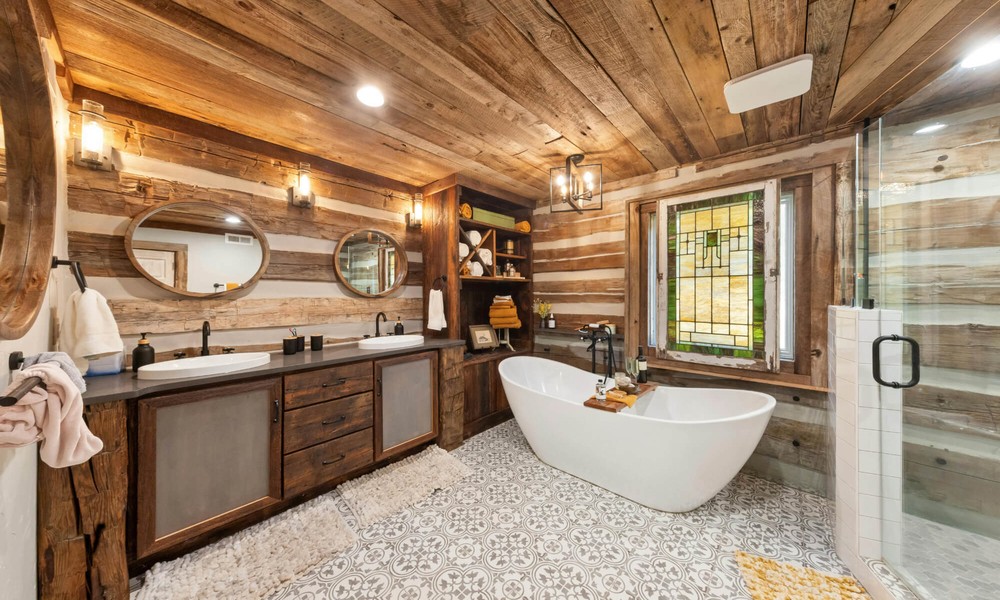
The bathroom vanity has quietly morphed from a hidden utilitarian fixture to a bold centerpiece of home design. Today’s vanities must not only look stunning, but also deliver on eco-consciousness, storage, and longevity. Behind each decision, from materials to finishing touches, lies a balance between sustainability and everyday function. Here’s how to master the art of choosing vanities that tick all the boxes, without compromising your values or your style.
The Evolution of Bathroom Vanities: From Functionality to Sustainable Style
Early Designs: Basic Utility and Space Management
Bathrooms of the past prioritized pure function. Early vanities were simple stands or cabinets, built for holding a basin and a few essentials. Materials rarely went beyond what was cheap and at hand, with durability and water resistance coming second to cost.
Rise of Aesthetic Considerations in Vanity Design
As homes became statements of personal taste, vanities began to reflect changing fashions. Designers experimented with shapes, finishes, and hardware, making the vanity an eye-catching focal point. The marriage of style and storage became non-negotiable for homeowners seeking both beauty and order.
Integrating Sustainability: The Shift Toward Eco-Friendly Materials and Practices
A new wave is transforming bathroom vanities. Environmental concerns have encouraged both makers and buyers to look beyond the surface. Sustainable woods, recycled materials, and low-impact manufacturing now lead the conversation, as eco-friendly design proves it can be as sleek as it is responsible.
Understanding the Fundamentals of Bathroom Vanity Selection
Key Functional Requirements: Storage, Size, and Layout
Before falling for a vanity’s appearance, ask: Does it fit the space? Does it store everything you need? Measure your bathroom, consider plumbing, and make sure drawers and doors open freely. A double sink might look inviting, but it only works if your bathroom can handle the width.
Style and Design Elements That Define Modern Vanities
Today’s vanities range from ornate traditional styles to sharp minimalism. Consider the overall mood of your bathroom. Is it a cozy retreat or a crisp, modern space? Floating vanities create a sense of openness, while freestanding units can anchor the room. Hardware, countertop material, and color palette all play a role in the final look.
The Role of Sustainability in Today’s Bathroom Design Choices
Sustainability is no longer a fringe concern. From water use to material sourcing, every detail matters. Opt for vanities made with certified woods, recycled content, or rapidly renewable resources. Water-saving fixtures, non-toxic finishes, and supply chains with ethical practices all contribute to a bathroom you can feel good about.
Materials Matter: How Eco-Friendly Choices Have Transformed Vanity Construction
Traditional Materials vs. Sustainable Alternatives
Conventional vanities often rely on hardwoods, laminates, or plastics. In contrast, the best modern options use reclaimed wood, bamboo, FSC-certified lumber, and recycled metals or glass.
| Material | Traditional Impact | Sustainable Alternative | Eco-Benefit |
|——————-|———————-|——————————-|———————————|
| Oak, maple, MDF | High resource use | Reclaimed wood, bamboo | Reduces logging, fast regrowth |
| Laminate, plastic | Non-biodegradable | Recycled glass/metal surfaces | Diverts waste, lower footprint |
| Oil-based finish | VOC emissions | Water-based, low-VOC finish | Improves indoor air quality |
Benefits of Reclaimed Wood, Bamboo, and Low-VOC Finishes
Reclaimed wood tells a story and avoids the need for new timber. Bamboo grows rapidly and is exceptionally hardy. Low-VOC (volatile organic compound) finishes mean fewer indoor pollutants, which is especially important in enclosed spaces like bathrooms.
Innovations in Durable, Water-Resistant Eco-Materials
The latest eco-vanities pair natural beauty with science. Engineered woods with waterproof cores, recycled composites, and specialized coatings ensure your vanity stands up to daily splashes without environmental guilt.
Customization and Technology: The Future of Bathroom Vanities
Custom Vanities for Personalized Spaces and Needs
One-size-fits-all is fading fast. Customization means your vanity can be tailored to awkward nooks, unique storage needs, or special accessibility requirements. For inspiration, vanities from Vasca Design offer a glimpse into what’s possible when expert craftsmanship meets individual vision.
Smart Storage Solutions and Ergonomic Enhancements
Drawers within drawers, integrated organizers, hidden outlets, today’s vanities hide clever features that keep clutter at bay and routines efficient. Ergonomic considerations, like counter height and easy-grip handles, add comfort to daily rituals.
Incorporating Water-Saving and Energy-Efficient Features
Modern vanities often include touchless faucets, LED lighting, or integrated water filtration. These upgrades lower resource consumption while making your bathroom more enjoyable to use.
Practical Steps to Selecting the Perfect Sustainable Vanity
– Assess your space: Measure carefully, accounting for doors, shower enclosures, and plumbing.
– Match your style: Choose a vanity that complements (not clashes with) your tiles, paint, and lighting.
– Prioritize green features: Look for recycled, reclaimed, or certified materials, and low-VOC finishes.
– Think ahead: Will you need extra storage or easy cleaning? Make a checklist of must-haves before you fall in love with a look.
Maintenance and Longevity: Ensuring Your Vanity Stands the Test of Time
Caring for Different Eco-Friendly Materials
Bamboo and reclaimed wood require gentle, non-abrasive cleaning. Avoid soaking the base and stick to natural cleaning products to prevent wear on finishes.
Tips for Avoiding Common Wear and Damage
Wipe up spills quickly, especially near sink edges. Use coasters or trays for toiletries to prevent staining. Regularly check hardware and hinges to catch issues before they worsen.
When to Repair vs. When to Replace
Many vanity issues, like scratches or warping, are fixable with a little care. Replacement should only be a last resort, especially for sustainably sourced pieces.
Case Studies: Successful Bathroom Vanity Transformations
Classic homes often benefit from vanities that blend reclaimed wood with modern sinks, giving old materials a fresh purpose. Minimalist renovations favor floating vanities with integrated storage, maximizing space without crowding. Custom solutions from trusted designers and showrooms, such as those showcased by Vasca Design, prove that eco-conscious choices can be tailored to any taste or layout.
Looking Ahead: Trends Shaping Sustainable Bathroom Vanity Design
Emerging materials like recycled terrazzo and water-resistant composites are taking center stage. Consumer demand for green products continues to rise, driving innovation in both materials and smart features. In the coming decade, expect the bathroom vanity to become a true marker of both style and sustainability, reshaping how we think about one of the home’s hardest-working spaces.
