
Key Takeaways
- Stop flushing, running faucets, and using water-based appliances as soon as a backup appears.
- Keep children, pets, and unprotected adults out of contaminated spaces.
- Do not open the tank, use chemical drain products, or keep flushing to test the system.
- Slow drains, gurgling, odors, and wet ground can be early warning signs.
- Pumping can relieve a full tank, but it does not repair every type of septic failure.
- Widespread sewage contamination often requires professional cleanup and assessment.
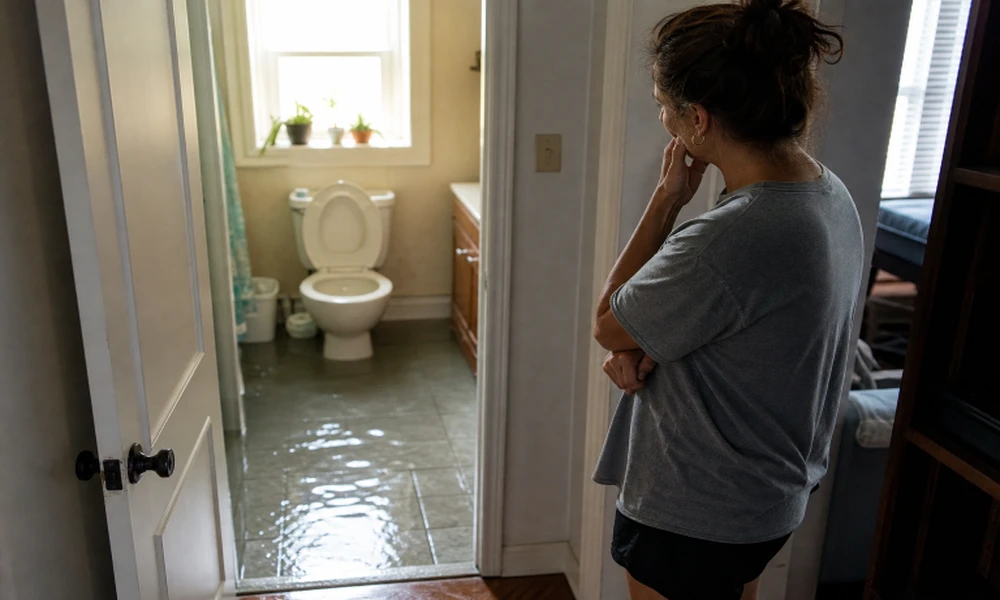
A septic backup can be unsettling, especially when wastewater appears in a toilet, tub, shower, sink, or floor drain. The safest response is to stop adding water to the system, keep people away from affected areas, and treat the issue as a potential septic tank emergency until the cause is identified.
Prompt action can limit property damage and reduce exposure to contaminated water. Although a local clog can cause slow drains, several affected fixtures, sewage odors, or water surfacing outdoors can indicate a larger issue with the tank, pipes, pump, or drainfield.
What Counts as a Septic Backup?
A backup occurs when wastewater cannot move through the system as intended and backs up into household plumbing or rises near the tank or drainfield. One slow sink may be a fixture-specific clog. However, slow drainage in multiple rooms, a bubbling toilet, or wastewater rising through a low-level drain suggests a problem farther along the plumbing or septic system.
What to Do in the First 10 Minutes
Every gallon sent down a drain can worsen a backup, so avoid testing the system by flushing again. Take these steps while arranging appropriate help:
- Stop flushing toilets and turn off faucets.
- Postpone showers, baths, dishwashing, and laundry.
- Keep people and pets away from wet or contaminated rooms.
- Move clean belongings away only if you can do so without coming into contact with sewage.
- Stay clear of wet electrical equipment, outlets, or cords.
- Contact a qualified septic professional or local health authority for guidance.
A routine septic system inspection can help distinguish a blocked household line from a tank, pump, or drainfield issue, particularly when multiple fixtures are involved.
Early Warning Signs to Watch For
Watch for several fixtures draining slowly, gurgling after water use, toilet bowls that rise or bubble, sewage smells, standing water near the tank, or unusually lush and spongy grass over the drainfield. The EPA identifies these as common signs of septic trouble, but one symptom alone does not confirm the cause.
What Not to Do During a Backup
Do not pour chemical drain cleaner into the plumbing. These products may not clear the underlying obstruction and can create hazards for anyone working on the system. Do not uncover or enter a septic tank, because confined spaces around tanks can contain dangerous gases. Avoid walking through sewage without suitable protective equipment, pumping a flooded system without advice, or directing contaminated water into another drain.
Common Reasons a Septic System Backs Up
- Excess solids in the tank: A tank that has not been pumped when needed can lose working capacity.
- A blocked filter or pipe: Wipes, grease, paper towels, roots, cracked pipes, or settled soil can restrict flow.
- Pump or electrical failure: Systems with pumps may stop moving wastewater due to a mechanical or power-related issue.
- Drainfield saturation: The soil may not absorb wastewater efficiently when it is overloaded or damaged.
- High water use: Leaks, long showers, and concentrated laundry loads can send more water into the system than it can process.
How Weather Can Trigger a Backup
Prolonged rain, flooding, or high groundwater can saturate soil around a drainfield and slow wastewater treatment. The weather may expose a preexisting weakness rather than create the whole problem. During very wet conditions, reduce indoor water use and keep vehicles, heavy equipment, and stored materials off the drainfield to prevent soil and buried components from being compacted or damaged.
When DIY Cleanup Is Not Safe
Small, contained spills on hard, nonporous surfaces may seem manageable, but sewage can carry disease-causing organisms. Cleanup becomes more complex when contamination reaches carpet, padding, drywall, insulation, upholstered furniture, HVAC equipment, electrical areas, or multiple rooms. Keep the space closed until contaminated materials are addressed, surfaces are cleaned, and the area is fully dry. People with weakened immune systems, older adults, infants, and pets should be kept away from the affected area.
What a Professional Diagnosis May Include
A thorough assessment may involve reviewing service records, identifying affected fixtures, checking tank levels, examining filters and pumps, and looking for wet spots near the drainfield. Depending on the symptoms, a technician may inspect control panels, evaluate piping, or use a camera to locate a blockage or damaged line. Pumping may be part of the solution, but it will not correct a failed pump, a crushed pipe, a tank defect, or a saturated drainfield.
Questions to Ask Before Work Begins
- What is the most likely cause of the backup?
- Is the issue inside the home, in the main line, or in the septic system?
- Will pumping solve the problem or provide only short-term relief?
- What repairs or testing are recommended, and why?
- Which areas should remain off-limits until the issue is resolved?
- Will you receive written findings and maintenance recommendations?
How to Reduce the Risk of Another Backup
Maintain records for pumping, inspections, repairs, and alarm events. Fix running toilets and leaking faucets promptly, spread laundry across the week, and flush only human waste and toilet paper. Keep grease, wipes, paint, solvents, medications, cat litter, and paper towels out of drains. EPA maintenance guidance notes that many household systems are inspected about every three years and pumped every three to five years, although the right schedule depends on tank size, household size, water use, and system design.
Frequently Asked Questions
Can a septic backup fix itself?
A temporary slowdown after heavy rain may improve as the soil dries, but sewage indoors, repeated backups, standing wastewater, or persistent odors require prompt evaluation.
Should water use stop if only one toilet is affected?
Stopping water use is the cautious choice until you know whether the issue is isolated. This is especially important if other drains are slow or plumbing is gurgling.
Does recent pumping prevent future b. However,. Pumping removes accumulated solids, but it does not repair damaged lines, failed pumps, blocked filters, or drainfield problems.
Conclusion
A septic backup is stressful, but a calm response can reduce exposure and make the cause easier to diagnose. Stop water use, avoid unsafe DIY measures, protect contaminated areas from foot traffic, and keep reliable maintenance records. Those steps support safer cleanup and help protect the home and septic system over time.
