

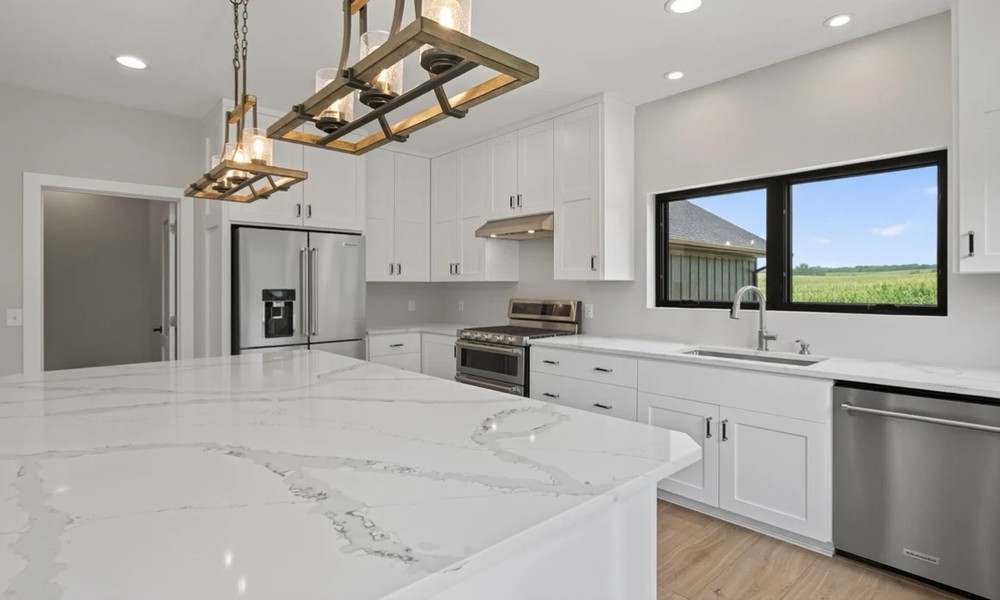
A kitchen instantly gains substance and style when stone countertops make their entrance. Whether the space leans rustic, modern, or somewhere in between, stone surfaces possess a unique ability to adapt and elevate. Yet, the true magic happens in how these countertops are chosen, customized, and blended into a kitchen’s overall design narrative.
Origins of Stone Countertops in Kitchen Design
Centuries ago, stone served as a utilitarian choice for surfaces that endured heat, moisture, and heavy wear. Early European homes often used slabs of local marble or granite in their hearths and prep areas, valued for both their durability and cool touch. By the nineteenth century, marble reigned in grand Victorian kitchens, while granite and later quartz followed as technology made quarrying and fabrication more accessible.
Stone began as a staple in traditional and classic interiors, often paired with ornate cabinetry, brass fixtures, and intricate backsplashes. Its resilience and timeless look soon made it a coveted feature in residences worldwide.
Evolution of Stone Countertops Through Design Trends
Mid-century designers embraced the clean, low-profile appeal of polished granite and quartz, gravitating toward seamless counters that felt both durable and refined. In contrast, farmhouse and rustic kitchens began showcasing the raw, organic edge of stone. Exposed, hand-chiseled granite islands, for example, became both workhorse and showpiece.
Contemporary and minimalist kitchens now favor quartz for its consistent tone, hygienic properties, and nearly invisible seams. The evolution of stone mirrors broader design trends: a shift from ornamental and traditional to unfussy, hard-working, and versatile surfaces.
Integrating Stone Countertops in Classic Kitchen Styles
Classic spaces benefit from the gravitas that stone provides. Colonial kitchens often work best with honed granite in neutral hues, complementing painted or natural wood cabinetry. In Victorian or vintage-inspired rooms, marble’s veining pairs beautifully with detailed millwork and antique fixtures, evoking old-world luxury.
Balancing stone with various wood tones or painted cabinets requires attention to undertones. Warm granites favor cherry and walnut woods, while cooler marbles often shine against painted finishes in grey, blue, or soft white.
Seamless Blending of Stone in Modern and Contemporary Kitchens
For streamlined, clutter-free kitchens, quartz reigns supreme. Its subtle patterns and broad color palette make it an ideal candidate for waterfall islands and sleek perimeter counters. Meanwhile, bold granite with dramatic movement can anchor an otherwise monochrome space, creating a visual focal point that ties together cabinetry and flooring.
A well-planned island or breakfast bar in a contrasting stone adds function and a sculptural element, perfect for open-plan layouts. Designers increasingly use stone for both countertop and full-height backsplash, creating a seamless, uninterrupted surface that feels cohesive and modern.
Combining Stone Countertops with Other Materials
Design synergy often lies in thoughtful material blends. Natural wood, brushed metal, and glass all soften stone’s visual weight and add tactile variation. For example, pairing a marble countertop with oak shelves or matte black hardware results in sophisticated contrast.
Backsplashes offer fertile ground for creativity. Mosaic tile or hand-painted ceramics bring color and pattern, while large-format stone slabs create an elegant, monolithic look. The right flooring completes the ensemble: hardwood, polished concrete, or even stone tile can echo countertop tones for a harmonious outcome.
Customization and Fabrication Advances
Today’s fabrication techniques allow for nearly any edge profile: from razor-thin contemporary cuts to ornate ogee or bullnose treatments. Surface finishes, from high-gloss to softly honed or leathered, further individualize the result.
Advances in stone visualization technology empower homeowners to plan with confidence. Tools like the one offered by comptoir de cuisine Casa Granite let users experiment with color, pattern, and placement before making a final decision, ensuring harmony between countertops and cabinetry.
Maintenance and Longevity for Different Stone Types
Stone’s reputation for toughness is well-earned, but care requirements differ. Granite is famously resistant to heat and scratches; sealing every couple of years preserves its luster. Quartz, engineered for resilience, resists stains without sealing, making it a favorite for busy households. Marble, while stunning, benefits from regular sealing and mindful use to avoid etching.
Simple daily cleaning, mild soap, water, a soft cloth, keeps stone looking its best. For repairs, professional services can address chips or reseal surfaces, adding years to a countertop’s life.
Future Trends in Stone Countertop Integration
Sustainability is shaping the next era of kitchen stone. Recycled content and responsible quarrying are now priorities, and engineered stones are advancing in both design realism and eco-credentials.
Expect to see more indoor-outdoor kitchens, where granite and quartz seamlessly extend from interior prep zones to exterior entertaining spaces. As lines blur between cooking, gathering, and relaxing, stone countertops remain at the heart, adapting, anchoring, and enriching every kitchen story.
