

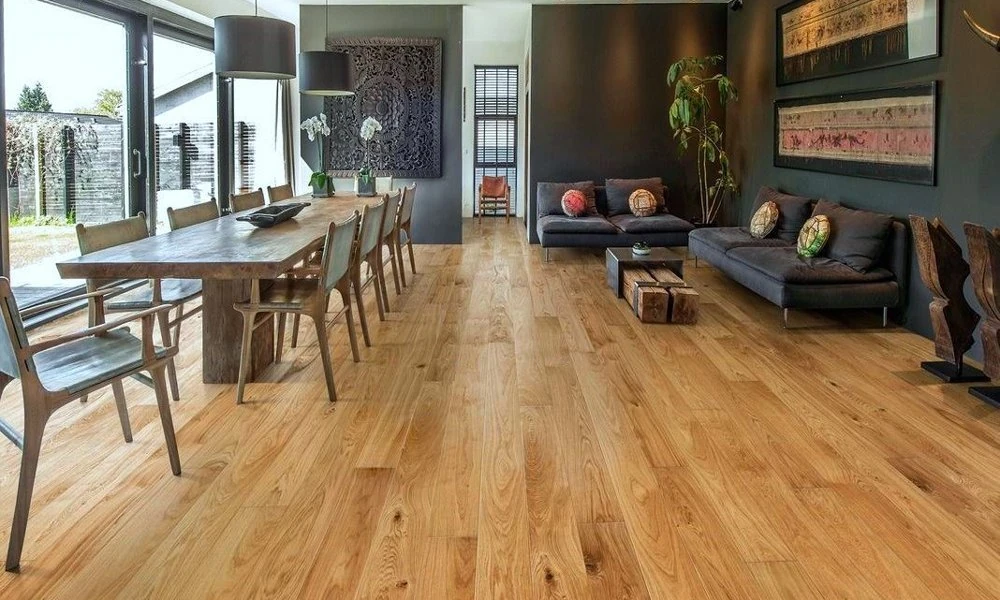
Hardwood flooring has been one of the most desirable flooring options for decades, and that hasn’t changed in Tampa. While luxury vinyl and tile have become increasingly popular in Florida, many homeowners still choose hardwood because of its timeless appearance, long lifespan, and ability to increase the overall value of a home. The key is making sure it’s installed correctly for Florida’s unique climate.
Humidity is one of the biggest differences between installing hardwood in Florida and installing it in many other parts of the country. Wood naturally expands and contracts as moisture levels change, which means the installation process matters just as much as the material itself. Proper acclimation, moisture testing, subfloor preparation, and selecting the right installation method all help ensure hardwood floors continue to perform well for years.
Many flooring problems that people associate with hardwood are actually installation problems rather than product failures. Gaps, squeaks, cupping, or movement often begin long before the first plank is installed. If the concrete slab contains excess moisture or the subfloor isn’t properly prepared, even premium hardwood can develop issues over time.
That’s why experienced installers spend significant time evaluating the conditions below the flooring before any installation begins. Moisture readings, flatness tolerances, expansion gaps, and underlayment selection all play a role in the finished result. Skipping these steps may save a little time upfront, but it often leads to expensive repairs later.
Florida homeowners also benefit from choosing hardwood products designed for local conditions. Engineered hardwood has become especially popular because its layered construction provides greater dimensional stability while still delivering the natural beauty of real wood. Traditional solid hardwood remains an excellent choice in many situations as well, provided the home’s conditions and installation method are appropriate.
Preparing the Subfloor Before Hardwood Installation
One of the most overlooked parts of any hardwood flooring project is what happens before the first board is installed. Even beautiful hardwood cannot compensate for an uneven or moisture-damaged subfloor.
Concrete slabs should always be inspected for moisture, cracks, and flatness. Minor imperfections may require grinding or patching, while larger variations often need professional leveling to create a stable surface. Installing hardwood over an uneven floor places unnecessary stress on the locking system or fasteners and can shorten the floor’s lifespan.
Wood subfloors require their own evaluation. Loose panels, squeaks, damaged sections, or excessive movement should be corrected before installation begins. Addressing these issues early helps produce a quieter, more solid-feeling floor after installation is complete.
On many projects throughout the Tampa Bay area, homeowners are surprised to learn that most of the work happens before the hardwood flooring is even delivered. Spending extra time on preparation usually produces cleaner installations, tighter seams, and a floor that continues looking great years after the project is finished.
A properly prepared subfloor also allows installers to maintain consistent plank alignment throughout the home. This becomes especially important in open floor plans where long sightlines make even small installation imperfections much easier to notice.
Hardwood flooring has been one of the most desirable flooring options for decades, and that hasn’t changed in Tampa. While luxury vinyl and tile have become increasingly popular in Florida, many homeowners still choose hardwood because of its timeless appearance, long lifespan, and ability to increase the overall value of a home. The key is making sure it’s installed correctly for Florida’s unique climate.
Humidity is one of the biggest differences between installing hardwood in Florida and installing it in many other parts of the country. Wood naturally expands and contracts as moisture levels change, which means the installation process matters just as much as the material itself. Proper acclimation, moisture testing, subfloor preparation, and selecting the right installation method all help ensure hardwood floors continue to perform well for years.
Many flooring problems that people associate with hardwood are actually installation problems rather than product failures. Gaps, squeaks, cupping, or movement often begin long before the first plank is installed. If the concrete slab contains excess moisture or the subfloor isn’t properly prepared, even premium hardwood can develop issues over time.
That’s why experienced installers spend significant time evaluating the conditions below the flooring before any installation begins. Moisture readings, flatness tolerances, expansion gaps, and underlayment selection all play a role in the finished result. Skipping these steps may save a little time upfront, but it often leads to expensive repairs later.
Florida homeowners also benefit from choosing hardwood products designed for local conditions. Engineered hardwood has become especially popular because its layered construction provides greater dimensional stability while still delivering the natural beauty of real wood. Traditional solid hardwood remains an excellent choice in many situations as well, provided the home’s conditions and installation method are appropriate.
Preparing the Subfloor Before Hardwood Installation
One of the most overlooked parts of any hardwood flooring project is what happens before the first board is installed. Even beautiful hardwood cannot compensate for an uneven or moisture-damaged subfloor.
Concrete slabs should always be inspected for moisture, cracks, and flatness. Minor imperfections may require grinding or patching, while larger variations often need professional floor leveling to create a stable surface. Installing hardwood over an uneven floor places unnecessary stress on the locking system or fasteners and can shorten the floor’s lifespan.
Wood subfloors require their own evaluation. Loose panels, squeaks, damaged sections, or excessive movement should be corrected before installation begins. Addressing these issues early helps produce a quieter, more solid-feeling floor after installation is complete.
On many projects throughout the Tampa Bay area, homeowners are surprised to learn that most of the work happens before the hardwood flooring is even delivered. Spending extra time on preparation usually produces cleaner installations, tighter seams, and a floor that continues looking great years after the project is finished.
A properly prepared subfloor also allows installers to maintain consistent plank alignment throughout the home. This becomes especially important in open floor plans where long sightlines make even small installation imperfections much easier to notice.
Long-Term Care for Hardwood Floors
One of the reasons hardwood flooring continues to be considered a premium investment is its longevity. With proper installation and regular maintenance, a hardwood floor can last for decades while maintaining its appearance and value.
Routine cleaning is simple but important. Dust, sand, and small debris can gradually wear down the finish if they’re allowed to accumulate. Sweeping, vacuuming with a hardwood-safe attachment, and occasionally using manufacturer-approved cleaning products help preserve the finish without damaging the wood.
Florida homeowners should also pay attention to indoor humidity. While modern air conditioning helps regulate moisture levels, keeping indoor conditions relatively consistent throughout the year helps reduce unnecessary expansion and contraction of the flooring. Area rugs placed near exterior doors can also minimize scratches caused by dirt and sand being tracked inside.
Furniture pads, prompt cleanup of spills, and avoiding excessive standing water all contribute to extending the life of hardwood floors. Small preventive measures often make a significant difference over the years.
Is Hardwood Flooring Worth It?
For many homeowners, the answer is yes. Hardwood offers a combination of natural beauty, durability, and resale appeal that few flooring materials can match. While the initial investment is typically higher than some other flooring options, properly installed hardwood often provides excellent long-term value because it remains attractive for decades and can even be refinished instead of completely replaced in many situations.
Choosing the right flooring is only part of the equation.Professional flooring installation is equally important because experienced installers understand moisture management, subfloor preparation, layout planning, and the installation techniques required for Florida homes. These details directly affect how the floor performs long after installation is complete.
Homeowners planning a flooring renovation should also think beyond today’s design trends. Neutral wood tones, quality craftsmanship, and proper installation continue to outperform short-lived styles because they remain appealing to future buyers and complement a wide range of interior designs.
Frequently Asked Questions
Can hardwood flooring be installed over a concrete slab in Florida?
Yes. Many Tampa homes have concrete slab foundations. The slab must first be tested for moisture, properly prepared, and paired with the correct installation system before hardwood is installed.
Does engineered hardwood look different from solid hardwood?
Most homeowners cannot tell the difference once the floor is installed. Engineered hardwood uses a genuine hardwood wear layer while offering additional stability that works well in Florida’s climate.
How long does professional hardwood flooring installation usually take?
The timeline depends on the size of the project, subfloor preparation, acclimation time, and installation method. Proper preparation should never be rushed because it plays a major role in the floor’s long-term performance.
Have Questions About Hardwood Flooring?
Every home is different, and the best hardwood flooring solution depends on factors like your subfloor, moisture conditions, lifestyle, and long-term goals.
If you’re planning a hardwood flooring project, what questions are most important to you? Are you deciding between solid and engineered hardwood, wondering about Florida humidity, or trying to choose the right wood species? Taking the time to answer these questions before installation can help you make a decision you’ll be happy with for years.
Final Thoughts
Hardwood flooring continues to be one of the best investments homeowners can make when it’s installed correctly and matched to Florida’s unique conditions. From careful subfloor preparation to moisture management and precise installation, every step contributes to a floor that looks beautiful and performs reliably for many years.
If you’re considering professional hardwood floor installation for Tampa homes, Bay Way Flooring provides expert craftsmanship, proper preparation, and flooring solutions designed specifically for Florida living.
