

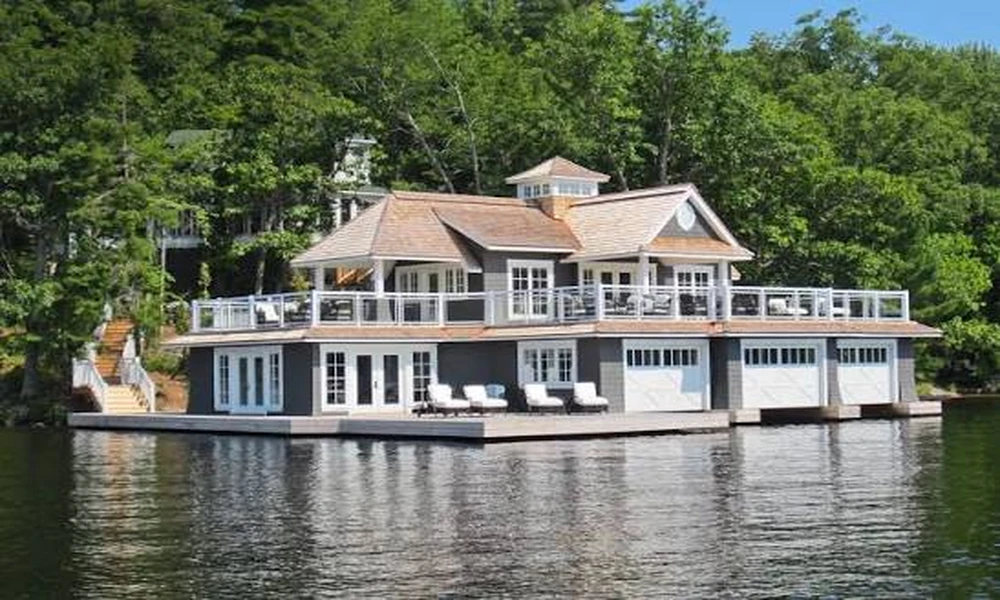
Buying A Home Near Water: A 2026 Due Diligence ChecklistKey Takeaways
- A waterfront view is only one part of the buying decision.
- Flood exposure, insurance, shoreline rights, permits, and maintenance can materially change ownership costs.
- Water access may be private, shared, deeded, seasonal, or controlled by an association.
- Well, septic, drainage, and water-quality records can affect both comfort and future expenses.
- Careful due diligence before an offer can prevent expensive surprises after closing.
Homes near lakes, rivers, ponds, wetlands, and canals can offer beautiful views, recreation, and a sense of privacy. They can also come with ownership questions and expenses that are easy to miss during an exciting showing. Before making an offer, buyers should look beyond the view and investigate the details that affect daily use, financing, insurance, maintenance, and resale.
For buyers comparing waterfront and secondary waterfront homes in Northern Idaho, Coeur d’Alene ID real estate agent Sarah Griffin of Griffin Realty Group can provide locally informed guidance on access rights, neighborhood differences, and the practical realities of owning property near water. Griffin Realty Group focuses on waterfront and secondary waterfront real estate, home searches, and property-value guidance throughout Coeur d’Alene, Hayden, Post Falls, and nearby Northern Idaho communities.
Why Water-Adjacent Homes Need Extra Research
Properties near water involve more variables than a typical residential purchase. Two homes on the same lake may have dramatically different costs due to elevation, shoreline construction, access rights, utility systems, road maintenance, or association rules. One buyer may want a private dock and boating access, while another may simply want a peaceful view. These are very different property searches, even when listings use similar language.
Step 1: Define What “Near Water” Means
Start by identifying the exact type of property under consideration. Direct waterfront may include private shoreline, while secondary waterfront may provide a partial view or shared neighborhood access. Other homes have deeded access through an easement or homeowners’ association. A water-view home may have no legal right to reach the water at all. Homes beside ponds, wetlands, canals, or drainage corridors require their own review. Never rely solely on listing language. Review the deed, survey, plat, title documents, and recorded easements.
Step 2: Check Flood Exposure And Elevation
Search the address through the FEMA Flood Map Service Center, then review the current flood zone, map date, nearby drainage routes, and available base flood elevation information. Ask the seller whether water has ever entered the house, garage, crawl space, basement, or yard, including during heavy rain or rapid snowmelt. If an elevation certificate exists, request it. A property outside a high-risk zone can still experience runoff, drainage, or localized flooding.
Step 3: Estimate The Full Insurance Cost
Obtain a homeowners’ insurance quote for the exact address before removing contingencies. Ask whether flood, water backup, wind, or wildfire coverage requires separate protection. Review deductibles, exclusions, replacement-cost terms, and limits for docks, boathouses, retaining walls, or detached structures. A home may fit the purchase budget but become difficult to own comfortably once premiums, deductibles, and future rate changes are considered.
Step 4: Verify Shoreline And Water-Access Rights
“Waterfront” and “water access” are not interchangeable. Confirm who owns the shoreline, whether an association controls a beach or dock, and whether access is private, shared, deeded, or merely informal. Review rules for boat storage, lifts, ramps, swimming areas, guest use, and seasonal restrictions. Confirm whether any dock, lift, or boat ramp transfers with the property. A title review and current survey are often essential because the legal documents, not the listing headline, establish the rights that come with the parcel.
Step 5: Review Docks, Seawalls, And Shoreline Improvements
Request permits, invoices, and repair records for docks, stairs, retaining walls, seawalls, dredging, fill, and erosion-control work. Determine who is responsible for seasonal installation, removal, and repairs. During inspections, look for shifting soil, standing water, exposed roots, damaged supports, loose railings, and visible erosion. Older structures may need evaluation by a qualified dock, shoreline, structural, or drainage professional. Also, ask whether future improvements could require approval from local, state, federal, or association authorities.
Step 6: Investigate Utilities And Water Quality
Confirm whether the home uses municipal water and sewer, a private well, septic, or shared systems. For a private well, request recent water-quality results and ask about locally relevant concerns such as bacteria, nitrates, arsenic, or other contaminants. The EPA’s private well guidance recommends regular testing and provides useful context for well owners. Review septic permits, pumping records, inspection reports, and replacement history, then verify whether the lot has room for a future repair or replacement area.
Step 7: Study The Maintenance Profile
Water, wind, ice, and moisture can accelerate exterior wear. Inspect the roof, siding, windows, foundation, crawl space, basement, decks, and mechanical systems carefully. Watch for corrosion, mold odors, moisture staining, cracked masonry, insect damage, and drainage problems around the driveway and outdoor living areas. Separate routine expenses, such as exterior cleaning and landscaping, from larger capital costs, such as dock replacement, shoreline stabilization, retaining-wall work, or major drainage repairs.
Step 8: Compare Nearby Alternatives
Compare waterfront homes with direct, secondary, and nearby inland ones of similar size, condition, and location. Assess if the view justifies extra insurance and maintenance costs. Visit at various times of day and, if possible, in multiple seasons. Evaluate access to roads, grocery stores, healthcare, schools, emergency services, as well as noise, traffic, and recreational activity. A simple test to consider: if the property lost its water view tomorrow, would its layout, location, condition, and price still be justified?
Questions To Ask Before Making An Offer
- What specific water access rights come with the property?
- Are shoreline, dock, and easement rights documented in recorded records?
- What flood zone, elevation, and drainage concerns apply to this address?
- What will homeowners’ and flood insurance cost?
- Has the home, dock, shoreline, or retaining wall ever suffered water damage?
- Are all shoreline improvements properly permitted?
- Who maintains shared roads, docks, beaches, or boat facilities?
- What major repairs should be anticipated during the next five years?
Common Mistakes To Avoid
- Focusing on the view while overlooking insurance and maintenance costs.
- Assuming every waterfront listing includes private access.
- Skipping a survey, title review, well test, septic inspection, or drainage assessment.
- Ignoring association fees, rules, and seasonal limitations.
- Assuming past dock or shoreline work was properly approved.
Frequently Asked Questions
Is A Waterfront Home Always A Better Investment?
No. Waterfront appeal can support demand, but value depends on access rights, condition, insurance, maintenance, location, and the pool of future buyers.
Do Waterfront Homes Always Need Flood Insurance?
Not always. Requirements depend on the flood zone, lender, loan type, and property details. Confirm the current map information and insurance quote before committing.
Can Buyers Add A Dock After Closing?
Possibly, but approval is not guaranteed. Recorded rights, association rules, environmental limitations, and government requirements may all apply.
Conclusion
Buying near water can be a rewarding lifestyle decision when the property has been thoroughly evaluated. Verify flood exposure, insurance, access rights, permits, utilities, shoreline condition, and long-term maintenance before making an offer. The view may inspire the purchase, but the details determine whether the home remains enjoyable and financially sensible for years to come.
