

Ensuring Energy Efficiency with Modern HVAC SystemsThe Evolution of High-Performance Climate Control
As we navigate the complexities of modern energy demands, the evolution of climate control systems stands as a testament to human ingenuity and our collective commitment to a greener future. Decarbonization, the process of reducing carbon emissions, is a global imperative, and our homes play a significant role in this effort. Traditional heating and cooling systems, while effective, often rely on fossil fuels and older, less efficient technologies. However, the landscape is rapidly changing.
The advent of advanced heat pump technology has revolutionized residential climate control. Heat pumps, unlike conventional furnaces and air conditioners, transfer heat rather than generate it, making them incredibly efficient. They can extract heat from the air, ground, or water to warm a home in winter and reverse the process to cool it in summer. This dual functionality not only reduces energy consumption but also significantly lowers a home’s carbon footprint.
A key innovation driving this efficiency is variable-speed technology. Older HVAC systems typically operate at a single speed – either on or off – which can lead to energy waste and inconsistent temperatures. Variable-speed heat pumps, however, can adjust their output precisely to meet the heating or cooling demands of a home. This allows them to run at lower, more consistent speeds for longer durations, maintaining optimal comfort with minimal energy use. The result is quieter operation, better dehumidification, and substantial energy savings compared to their single-speed counterparts.
In Oregon, this shift towards higher efficiency is not just a trend but a standard. The Oregon Department of Energy, recognizing the critical role of HVAC systems in statewide energy consumption, has established rigorous efficiency benchmarks. As of May 2026, these standards continue to push manufacturers and installers towards more sustainable solutions. For instance, the updated SEER2 (Seasonal Energy Efficiency Ratio 2) and HSPF2 (Heating Seasonal Performance Factor 2) ratings reflect a more accurate measurement of real-world energy performance, ensuring that newly installed systems meet higher environmental and economic standards for homeowners. These benchmarks encourage the adoption of technologies like variable-speed heat pumps, which are designed to exceed minimum requirements, providing long-term benefits in terms of both cost savings and environmental impact. We are committed to helping homeowners understand and adopt these cutting-edge solutions, ensuring their homes are not only comfortable but also future-proof.
The Role of Energy Efficient HVAC in Home Electrification
The broader movement towards home electrification is transforming how we power our lives, and energy-efficient HVAC systems are at the core of this transition. Electrification means moving away from fossil fuels for heating, cooking, and transportation, and instead relying on electricity, ideally from renewable sources. This shift has profound implications for a home’s power grid and requires careful consideration of electrical capacity and load management.
In communities like Carlton and Cornelius, where residents are increasingly adopting electric vehicles and high-efficiency electric appliances, the demand on the home’s electrical system can grow significantly. An electric vehicle, for example, requires a substantial amount of power to charge, especially if it’s a Level 2 charger. This additional load, combined with the demands of an electric heat pump, an electric water heater, and other modern appliances, necessitates a robust and intelligently managed home electrical infrastructure.
Effective load management becomes crucial in this electrified environment. Smart electrical panels and energy management systems can monitor and balance the power draw of various appliances, preventing overloads and optimizing energy use. For instance, such systems can prioritize EV charging during off-peak hours or temporarily reduce the power supplied to a non-critical appliance if the grid is under strain. This intelligent distribution of power ensures that all essential functions of an electrified home, from keeping the interior comfortable to charging an EV overnight, operate seamlessly and efficiently.
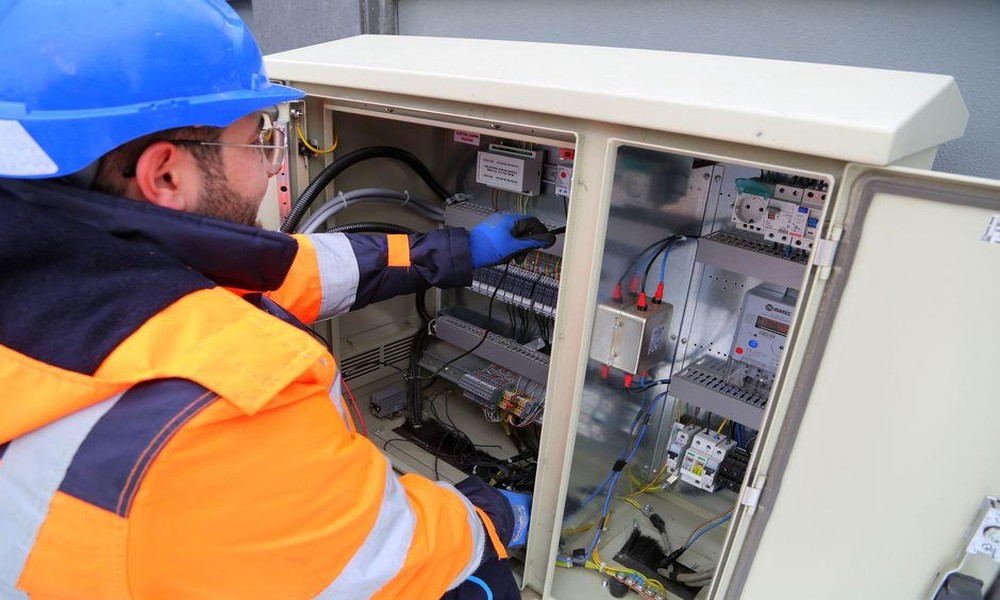
Understanding the interplay between your home’s energy systems is vital. Whether you are considering installing a new heat pump or an EV charger, assessing your current electrical capacity is a critical first step. In areas like Cornelius, where older homes may have less robust electrical infrastructure, upgrades to the main electrical panel might be necessary to safely accommodate the increased demand. This ensures that your home is not only ready for the present but also equipped for future energy needs. For those exploring comprehensive solutions that bridge the gap between indoor comfort and sustainable transportation, understanding the synergy between your climate control systems and your electric vehicle charging infrastructure is paramount. We believe that Energy-efficient HVAC and EV chargers are two sides of the same coin when it comes to creating a truly sustainable and comfortable home. This holistic approach ensures that as we electrify our homes, we do so intelligently, efficiently, and safely.
Integrating Smart Technology for Energy Efficient HVAC Control
The modern home is increasingly interconnected, and HVAC systems are no exception. Integrating smart technology into energy-efficient HVAC control offers unprecedented levels of convenience, customization, and, most importantly, energy savings. Smart thermostats are at the forefront of this revolution, moving far beyond simple programmable schedules. These intelligent devices learn your preferences, adapt to your daily routines, and can even respond to external factors like weather forecasts, optimizing heating and cooling without constant manual adjustments.
Beyond learning capabilities, many smart thermostats offer advanced features such as geofencing, which uses your smartphone’s location to detect when you’re away from home and automatically adjusts the temperature to save energy, then begins conditioning the space before you return. They can also integrate with other smart home platforms, allowing for centralized control of lighting, security, and climate from a single interface.
Multi-zone climate control further enhances efficiency and comfort by allowing different areas of a home to be heated or cooled independently. Instead of a single thermostat dictating the temperature for the entire house, individual zones-such as bedrooms, living areas, or home offices-can have their own temperature settings. This means you’re not wasting energy heating or cooling unoccupied rooms, leading to significant savings. This level of granular control is particularly beneficial in larger homes or those with varying sun exposure throughout the day.
System automation and remote monitoring capabilities provided by smart HVAC technology give homeowners unparalleled control. You can adjust your home’s temperature from anywhere in the world using a smartphone app, receive alerts if there’s a system malfunction, or track energy usage patterns to identify areas for further optimization. This proactive approach to climate control not only saves money but also contributes to a more comfortable and responsive living environment.
To illustrate the significant advancements, let’s consider a comparison between traditional furnace performance and modern electric heat pumps, especially when augmented by smart controls:
Feature Traditional Furnace (Gas/Oil) Modern Electric Heat Pump (with Smart Control) Primary Energy Source Natural Gas, Oil, Propane Electricity (can be sourced from renewables) Heating Method Combustion (generates heat) Heat Transfer (moves existing heat) Cooling Function Separate Air Conditioning Unit required Integrated cooling capability Efficiency (May 2026) AFUE typically 80-98% HSPF2 typically 8.5-13+, SEER2 typically 14-23+ Environmental Impact Produces greenhouse gas emissions Significantly lower/zero direct emissions (depending on electricity source) Comfort Control On/off cycles, less consistent temperature Variable speed, precise temperature control, better dehumidification Smart Integration Basic programmable thermostats, limited remote control Advanced learning algorithms, geofencing, multi-zone, remote monitoring Noise Level Can be loud during operation Quieter operation, especially variable-speed models Fuel Price Volatility Subject to fluctuating fossil fuel prices Subject to electricity rates, often more stable or can be offset by solar This table clearly demonstrates how modern electric heat pumps, especially when paired with smart technology, offer superior efficiency, environmental benefits, and comfort compared to traditional furnaces. We are dedicated to guiding homeowners through these choices, ensuring they select systems that align with their energy goals and lifestyle.
Maximizing Performance with Energy Efficient HVAC Maintenance
Even the most advanced energy-efficient HVAC systems require diligent maintenance to perform at their peak. Regular care not only ensures optimal efficiency and extends the lifespan of your equipment but also prevents costly breakdowns. We understand that maximizing performance means addressing every component of your climate control system.
One critical aspect of HVAC maintenance is duct sealing. Leaky ducts can waste a significant amount of energy, allowing conditioned air to escape into unconditioned spaces like attics or crawl spaces. This forces your HVAC system to work harder to maintain desired temperatures, leading to higher energy bills and reduced comfort. Professional duct sealing identifies and seals these leaks, ensuring that all the heated or cooled air reaches its intended destination. This simple yet effective measure can dramatically improve system efficiency and overall indoor air quality.
Airflow optimization is another key factor. Proper airflow is essential for your HVAC system to operate effectively. This involves ensuring that return and supply vents are unobstructed, and that the system’s fan is moving air efficiently throughout your home. Restricted airflow can strain the system, reduce its capacity, and lead to uneven temperatures. Technicians can assess airflow, clean coils, and ensure all components are working in harmony to deliver consistent comfort.
Filter efficiency plays a direct role in both air quality and system performance. Clogged or dirty air filters restrict airflow, making your HVAC unit work harder and consume more energy. They also become less effective at trapping dust, allergens, and other airborne particles, compromising indoor air quality. We recommend regular filter checks and replacements, typically every 1-3 months, depending on household conditions and filter type. Upgrading to higher MERV (Minimum Efficiency Reporting Value) filters can capture more particles, but it’s important to ensure your system can handle the increased airflow resistance.
For residents in Cornelius, Banks, and surrounding areas, professional HVAC tune-ups are invaluable. These comprehensive checks typically include inspecting electrical connections, lubricating moving parts, checking refrigerant levels, cleaning coils, and calibrating thermostats. A professional technician can identify minor issues before they escalate into major problems, ensuring your system runs smoothly and efficiently year-round. This proactive approach to maintenance contributes significantly to system longevity, protecting your investment and providing consistent, energy-efficient comfort for many years to come.
Community Infrastructure: Supporting Carlton’s Green Initiatives
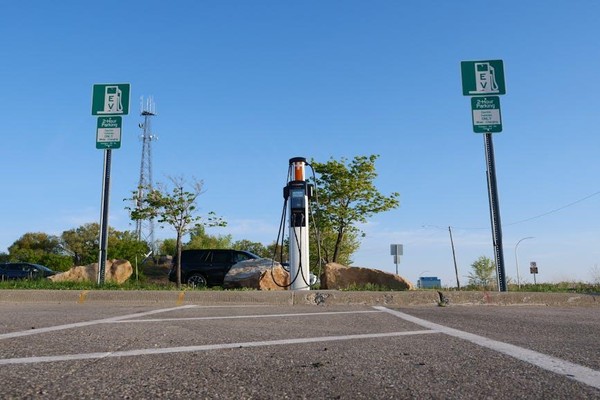
As communities like Carlton embrace a sustainable future, the availability of public charging infrastructure for electric vehicles becomes an essential component of green initiatives. For EV drivers in the area, locating a reliable 24-hour EV charger is often a top priority. We are pleased to highlight the City of Carlton City Hall EV Charging Station as a prime example of local commitment to supporting electric transportation.
This publicly accessible charger is conveniently located in front of the city offices at 191 East Main Street, Carlton, OR, 97111. Its central location makes it an ideal stop for residents and visitors alike who need to top up their electric vehicles. A crucial feature for many EV owners is its 24-hour accessibility, ensuring that charging is available whenever it’s needed, day or night.
The station offers Level 2 charging, which is a common and practical option for public use, providing a good balance between charging speed and accessibility. It utilizes J1772 ports, the standard connector for most electric vehicles, making it compatible with a wide range of EV models. While the station has two ports, typically 1 of 2 J1772 ports is available, indicating that it’s a popular and utilized resource within the community. The station is part of the ChargePoint network, a widely recognized and user-friendly charging network, which means drivers can often use the ChargePoint app for payment and to check real-time availability.
Here’s a summary of the public charging features at the Carlton City Hall location:
- Available Ports: 2 J1772 ports (typically 1 available for use)
- Accessibility: Publicly accessible 24/7
- Session Fee: $2.00 per session
- Energy Rates: $0.39/kWh from 00:00-08:00 (midnight to 8 AM) and $0.50/kWh from 08:00-00:00 (8 AM to midnight)
- Payment Methods: Supported by the ChargePoint network (usually via app or RFID card)
The reliability of this charger is generally high, with reports indicating it was last used less than 24 hours ago, suggesting it is in good working order and frequently utilized by the community. User reviews and comments, often found on charging network apps, typically praise its convenient location and consistent availability.
For EV drivers, understanding charging etiquette is key to ensuring a positive experience for everyone. This includes moving your vehicle once charging is complete, especially if others are waiting. Many stations, including those on the ChargePoint network, may have overstay fees if a vehicle remains plugged in after its charging session has ended, designed to encourage turnover. A common recommendation for Level 2 chargers is the 80% charge rule, where drivers unplug once their battery reaches approximately 80% capacity. This is because the charging speed significantly slows down after 80%, and the remaining 20% takes disproportionately longer, potentially hogging a port that another driver could use for a quicker top-up.
While the Carlton City Hall charger is a valuable resource, it’s always wise to know about nearest alternative EV charging options in case it’s occupied or out of service. Depending on your route and destination, nearby towns may offer additional Level 2 or even DC fast charging options. Checking popular EV charging apps like ChargePoint, PlugShare, or Electrify America can provide real-time information on alternative stations, their availability, and pricing in the broader Yamhill County area. We are proud to see Carlton taking proactive steps to support the growing EV community and contribute to a cleaner, more sustainable transportation future.
Frequently Asked Questions about Energy Efficient HVAC
We often receive questions from homeowners curious about how to make their homes more energy-efficient and integrate new technologies. Here are some of the most common inquiries regarding energy-efficient HVAC systems:
What are the primary benefits of upgrading to a high-efficiency heat pump in Oregon?
Upgrading to a high-efficiency heat pump in Oregon offers a multitude of benefits, particularly given the state’s focus on sustainability and energy independence. Firstly, these systems provide significant energy savings. By transferring heat rather than generating it, heat pumps use far less electricity than traditional furnaces, especially when paired with variable-speed technology. This translates directly into lower utility bills, which is a major advantage over the long term. Secondly, heat pumps offer dual functionality, providing both heating in winter and cooling in summer, eliminating the need for separate systems and simplifying home climate control. Thirdly, they contribute to a reduced carbon footprint, aligning with Oregon’s environmental goals. As electricity generation increasingly relies on renewable sources, the environmental benefits of electric heat pumps become even more pronounced. Finally, modern heat pumps often come with advanced features like quiet operation, superior dehumidification, and smart thermostat compatibility, enhancing overall home comfort and indoor air quality.
How does home electrification integrate HVAC systems with other appliances?
Home electrification is about creating a cohesive, all-electric energy ecosystem within your residence. HVAC systems, particularly heat pumps, are central to this integration. When we electrify a home, we replace fossil fuel-burning appliances (like gas furnaces, water heaters, and stoves) with electric versions. This means the entire energy demand of the home shifts to electricity.
For HVAC, this integration often involves smart energy management systems that can communicate with other electric appliances. For example, a smart home energy panel might prioritize EV charging during off-peak hours while ensuring the heat pump maintains a comfortable temperature, or it might temporarily reduce the power draw of a less critical appliance if the electrical grid is under heavy load. This intelligent load management prevents overloading the home’s electrical system and optimizes overall energy consumption. Furthermore, many electric heat pumps can be integrated with solar panel systems, allowing homeowners to generate their own clean electricity to power their heating and cooling, further enhancing energy independence and reducing reliance on the grid. This holistic approach ensures that all electric appliances, including HVAC, work together efficiently within the home’s power grid.
What maintenance steps are essential for maintaining peak HVAC efficiency?
Maintaining peak efficiency for your HVAC system involves a combination of routine homeowner tasks and professional servicing. For homeowners, the most crucial step is regularly replacing or cleaning air filters, typically every one to three months. A clean filter ensures proper airflow and prevents dust buildup on internal components, which can hinder efficiency. Keeping outdoor condenser units clear of debris, leaves, and vegetation also ensures proper heat exchange.
Beyond these simple steps, professional maintenance is indispensable. We recommend scheduling annual tune-ups, ideally in the spring for cooling systems and in the fall for heating systems. During these visits, a qualified technician will inspect and clean coils, check refrigerant levels, lubricate moving parts, tighten electrical connections, assess thermostat calibration, and inspect ductwork for leaks. These comprehensive checks can identify potential issues before they become major problems, ensure optimal system performance, extend the lifespan of your equipment, and maintain its energy efficiency for years to come.
Conclusion
As we look towards the future from May 2026, the convergence of energy-efficient HVAC systems and robust EV charging infrastructure is not merely a convenience but a cornerstone of sustainable living. We believe that professional installation of these advanced systems is paramount, ensuring not only peak performance and safety but also compliance with evolving energy standards. For communities like Cornelius, embracing these technologies means investing in long-term energy savings and contributing to a healthier environment.
The journey towards a sustainable home infrastructure is a collaborative one, involving informed choices by homeowners and reliable support from service providers. From the quiet efficiency of a variable-speed heat pump to the convenience of a 24-hour EV charger in Carlton, every step we take contributes to the broader narrative of Oregon’s community growth and environmental stewardship. By prioritizing energy efficiency in our homes and supporting accessible charging solutions for our electric vehicles, we are not just adapting to change; we are actively shaping a more sustainable and comfortable future for everyone.
