
The Role of Heat Pumps in Maintaining Indoor Air Quality
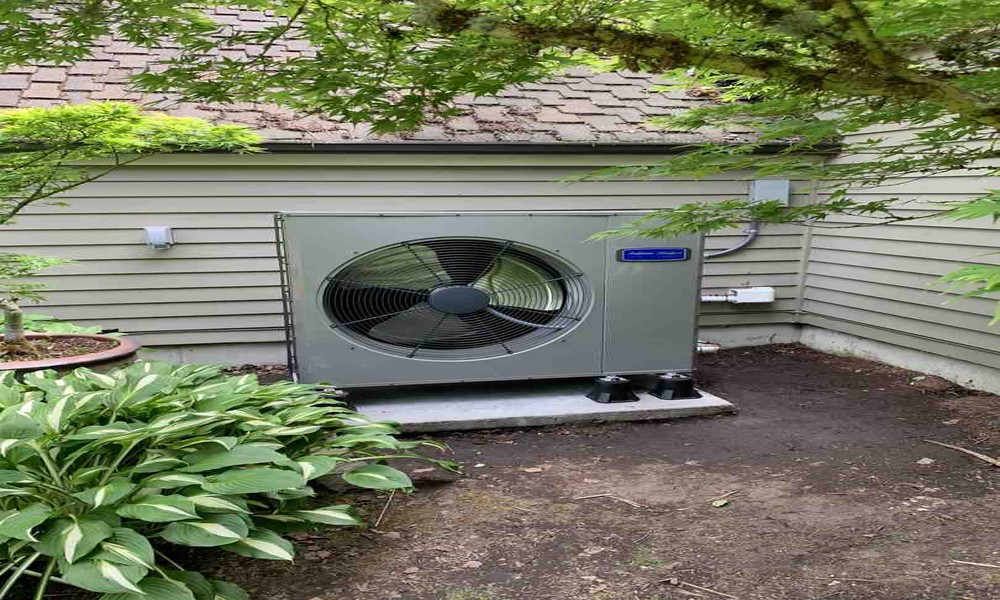
Heat pumps play a pivotal role in maintaining a healthy indoor environment, especially in diverse climates like Puyallup, WA. Unlike traditional HVAC systems, which often rely on burning fossil fuels, heat pumps transfer heat, making them inherently cleaner and more environmentally friendly. This heat transfer technology significantly reduces a home’s carbon footprint and contributes to cleaner air both inside and out.
Beyond their eco-friendly operation, heat pumps are excellent at regulating indoor humidity, a critical factor for comfort and air quality. Proper humidity levels help prevent mold and mildew growth, common allergens that can compromise respiratory health. In Puyallup, where seasonal changes can bring dampness or dryness, a well-maintained heat pump ensures consistent, comfortable humidity. This year-round comfort is not just about temperature; it’s about creating an optimal internal climate that actively mitigates dust buildup and controls allergens. For a deeper understanding of how these systems enhance your living space, explore our insights on Puyallup Heat Pump IAQ Insights.
How Filtration Impacts Indoor Air Quality
The effectiveness of a heat pump in maintaining indoor air quality is heavily reliant on its filtration system. Air filters are the first line of defense against airborne pollutants, trapping everything from microscopic dust particles to pet dander and pollen. Understanding the different types of filters and their ratings is crucial for homeowners. MERV (Minimum Efficiency Reporting Value) ratings indicate how effectively a filter removes particles from the air, with higher MERV ratings signifying better filtration. HEPA (High-Efficiency Particulate Air) filters, for instance, are designed to capture 99.97% of airborne particles 0.3 microns in size, offering superior protection against even the smallest particulate matter.
In regions like Puyallup, where wildfire smoke can occasionally impact outdoor air quality, robust filtration becomes even more critical. A high-quality air filter can significantly reduce the amount of smoke particles entering and circulating within your home, protecting your family’s respiratory health. Regular filter changes are also vital for airflow optimization. A clogged filter restricts airflow, forcing your heat pump to work harder, reducing its efficiency and potentially leading to premature wear and tear.
Seasonal Maintenance for Consistent Indoor Air Quality
Consistent indoor air quality is not a happy accident; it’s the result of diligent, seasonal heat pump maintenance. We recommend scheduling tune-ups twice a year to prepare your system for the demands of summer cooling and winter heating.
During a spring tune-up, technicians focus on preparing the heat pump for the warmer months. This includes thorough cleaning and sterilization of evaporator and condenser coils, which can accumulate dirt, dust, and even microbial growth over time. Coil sterilization is crucial for preventing mold and bacteria from circulating through your home. Additionally, condensate drain cleaning is performed to prevent blockages that could lead to water leaks, potential mold formation, and increased humidity. This proactive approach ensures your system cools efficiently and maintains healthy air quality.
Fall maintenance, conversely, prepares the heat pump for the heating season. This involves similar cleaning and inspection procedures, ensuring all components are ready to handle colder temperatures. By addressing potential issues before they become problems, seasonal maintenance enhances system reliability, extends your unit’s lifespan, and, most importantly, ensures a consistent supply of clean, healthy air throughout your Puyallup home. For more information on preparing your HVAC system for the colder months, consider reading our guide on Fall HVAC Maintenance: Prepare Your Home for the Autumn Cold.
Identifying Performance Gaps in Home Climate Systems
Even the most robust heat pump systems can develop issues over time, and recognizing the early signs of trouble is key to preventing costly breakdowns and maintaining home comfort. Homeowners in Puyallup should be vigilant for several common indicators that their heat pump needs attention.
Signs your heat pump needs repair:
- Strange Noises: Grinding, banging, squealing, or persistent rattling sounds often signal mechanical problems within the unit, such as issues with the motor, fan, or compressor.
- Short-Cycling: If your heat pump turns on and off frequently without completing a full heating or cooling cycle, it’s “short-cycling.” This can indicate a range of issues, from an improperly sized unit to refrigerant leaks or electrical problems.
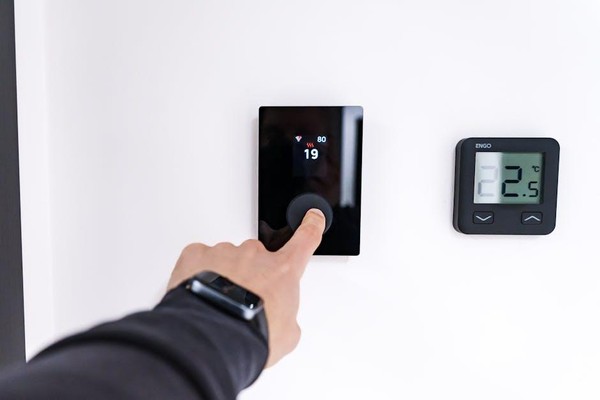
- Uneven Heating or Cooling: Noticeable temperature discrepancies between rooms or areas of your home suggest that the heat pump isn’t distributing conditioned air effectively. This could be due to ductwork issues, a malfunctioning thermostat, or problems with the unit itself.
- Rising Energy Bills: An unexplained spike in your utility bills, without a corresponding change in usage, is a strong indicator that your heat pump is working harder than it should be, likely due to inefficiency or a developing problem.
- Poor Airflow: Weak or inconsistent airflow from vents may indicate blockages in the ductwork, a failing blower motor, or a dirty air filter.
- Icing on the Outdoor Unit: While some frost is normal in winter, excessive ice buildup on the outdoor unit, or icing during warmer months, can indicate a refrigerant leak or a problem with the defrost cycle.
- Odd Odors: Burning smells, musty odors, or other strange scents emanating from your vents can signal electrical issues, mold growth, or other internal problems requiring immediate attention.
Local HVAC companies in Puyallup are equipped to fix a wide array of heat pump issues. These can range from diagnosing and repairing refrigerant leaks, which are critical for both performance and environmental safety, to addressing electrical system failures, replacing faulty compressors, repairing or cleaning heat exchanger coils, and resolving fan motor problems. They also handle thermostat calibration, ductwork inspection and sealing, and the replacement of worn-out components. For insights on identifying problems with your heat pump, refer to “How to Identify Heat Pump Problems in Puyallup.”
While heat pumps are designed for longevity, typically providing 15 to 20 years of reliable service with proper care, neglecting these warning signs can significantly shorten their lifespan and lead to premature failure. Regular maintenance is the best way to catch these issues early.
Here’s a comparison of how performance can differ:
Feature Well-Maintained Heat Pump Neglected Heat Pump Energy Usage Optimal efficiency, lower energy bills High energy consumption, surging utility costs Comfort Consistent temperatures, balanced humidity Uneven heating/cooling, uncomfortable humidity Air Quality Clean, filtered air, reduced allergens Poor filtration, increased allergens, potential mold Reliability Fewer breakdowns, dependable operation Frequent malfunctions, unexpected repairs Lifespan Achieves or exceeds 15-20 year average Shortened lifespan, premature replacement Noise Level Quiet operation Strange noises (grinding, banging, squealing) Repair Needs Minimal, often preventative Frequent, costly, and emergency repairs
Maximizing Energy Efficiency and System Longevity
Regular heat pump maintenance is not merely about fixing problems; it’s a strategic investment in your home’s energy efficiency and the longevity of your heating and cooling system. The benefits are tangible and directly impact your wallet and comfort.
According to the Environmental Protection Agency (EPA), regular maintenance can reduce energy costs by up to 30 percent. This significant saving stems from ensuring that all components operate at peak efficiency. When a heat pump is well-maintained, it doesn’t have to work as hard to achieve the desired temperature, consuming less electricity in the process.
Key maintenance tasks directly contribute to this efficiency:
- Lubrication of Moving Parts: Components like fan motors require proper lubrication to reduce friction and prevent premature wear. This ensures smooth operation and minimizes energy consumption.
- Electrical Connection Tightening: Loose electrical connections can lead to inefficient operation, increased energy usage, and even safety hazards. Technicians inspect and tighten all connections to ensure optimal performance and safety.
- Refrigerant Charge Testing: The refrigerant level is crucial for efficient heat transfer. Too little or too much refrigerant can severely hamper your heat pump’s ability to heat or cool, leading to increased energy consumption. Accurate testing and adjustment ensure the system operates at its designed thermal efficiency.
- Voltage and Amperage Baseline Measurements: By taking these measurements, technicians can establish a baseline for your system’s electrical performance. Deviations from this baseline can indicate developing issues, enabling proactive adjustments to prevent larger energy drains or component failures.
By addressing these and other potential issues during routine service, we ensure that your heat pump maintains its thermal efficiency, minimizes component wear, and operates reliably for years to come. This proactive approach not only saves you money on monthly energy bills but also extends the life of your expensive equipment, delaying the need for costly replacement. For more on the advantages of a well-maintained system, consider the Advantages of Upgrading to a High-Efficiency Heat Pump.
Professional Maintenance vs. Homeowner Upkeep
While homeowners can certainly handle basic heat pump maintenance, such as regularly replacing air filters and keeping the outdoor unit free of debris, professional maintenance offers a level of expertise and thoroughness that DIY efforts cannot match. The benefits of choosing professional heat pump maintenance over DIY are substantial.
A professional heat pump maintenance service typically includes a comprehensive multi-point inspection and tune-up. This goes far beyond a simple filter change. Technicians perform crucial tasks like:
- Professional Calibration: Calibrating thermostats and system controls ensures accurate temperature regulation and optimal energy use.
- Safety Testing: Professionals conduct thorough safety checks, including inspecting electrical components for wear, loose connections, or potential hazards.
- Mechanical Seal Diagnosis and Vibrational Testing: These specialized tests help identify early signs of mechanical failure in components such as compressors and motors, preventing costly repairs down the line.
- Coil Cleaning and Inspection: Technicians meticulously clean indoor and outdoor coils, which are vital for efficient heat transfer. Dirty coils can drastically reduce efficiency and strain the system.
- Refrigerant Level Checks: Ensuring the correct refrigerant charge is essential for performance and efficiency. Only certified professionals can accurately test and adjust refrigerant levels.
Many homeowners in Puyallup opt for heat pump maintenance agreements or service plans because they offer peace of mind and tangible benefits. When looking for a maintenance agreement, homeowners should seek plans that include:
- Comprehensive Tune-Ups: Ensure the plan covers all essential checks and cleanings, like a 20-point inspection checklist.
- Priority Scheduling: This means your service calls are moved to the front of the line, especially crucial during peak seasons.
- Discounted Repairs and Parts: Many agreements offer reduced rates on repairs and replacement parts.
- No Overtime Charges: Some plans waive overtime fees for emergency services, saving you money during unexpected breakdowns.
- System Performance Guarantees: A good plan should aim to keep your system operating at peak efficiency, potentially offering guarantees on energy savings.
These agreements ensure your heat pump receives regular, expert care, preventing minor issues from escalating into major, costly repairs. For more on the importance of regular HVAC checks, refer to our HVAC Maintenance guide.
Frequently Asked Questions about Heat Pump Care
When is the best time to schedule a system tune-up?
For homeowners in Puyallup, WA, the ideal time to schedule heat pump maintenance is twice a year: once in the spring and once in the fall.
- Spring Tune-Up: Scheduling service in early spring prepares your heat pump for the cooling demands of summer. This ensures it’s operating efficiently before the heat sets in, helping you avoid emergency repairs when your system is working hardest.
- Fall Tune-Up: A fall maintenance check gets your heat pump ready for the heating season. This is crucial for ensuring reliable warmth throughout the colder months and catching any issues before they leave you in the cold. This dual approach ensures preseason readiness and year-round peak performance.
What are the signs that a system needs professional repair?
Several indicators suggest your heat pump requires professional attention:
- Odd Odors: Musty, burning, or electrical smells coming from your vents.
- Icing: Excessive ice buildup on the outdoor unit, or icing on indoor coils.
- Poor Airflow: Weak or inconsistent air coming from your registers.
- Unresponsive Controls: Your thermostat isn’t accurately controlling the system’s operation.
- Banging Noises: Loud, unusual sounds like grinding, clanging, or squealing.
- Surging Utility Costs: An unexplained increase in your energy bills. If you notice any of these signs, it’s advisable to contact a professional for diagnosis and repair. Ignoring these warnings can lead to more significant damage and costly repairs. For immediate concerns, consider our Emergency Heat Pump Repair services.
How long do modern heat pump systems typically last?
With proper installation and consistent, professional maintenance, modern heat pump systems are designed to provide 15 to 20 years of reliable service. The lifespan of your equipment is heavily influenced by how well it’s maintained. Regular tune-ups, including cleaning, inspections, and minor adjustments, prevent premature wear and tear on components, ensuring durability and extending the system’s life. Neglecting maintenance can significantly shorten this lifespan, leading to earlier replacement and higher long-term costs.
Conclusion
In Puyallup, WA, maintaining a comfortable, healthy home environment is a top priority, and your heat pump system is central to achieving it. By proactively caring for their heat pumps, regularly maintaining them, and keeping a keen eye for potential issues, homeowners can ensure their heat pumps operate efficiently, provide superior indoor air quality, and enjoy an extended lifespan. This commitment to maintenance is not just about keeping a machine running; it’s an investment in your family’s long-term home health, environmental responsibility, and sustainable comfort. By prioritizing heat pump maintenance, we collectively contribute to healthier homes and a more efficient future.
For comprehensive heat pump services and to ensure your system’s integrity, visit our Heat Pump page or Contact Us today.

Tereso Sobo is an interior and home living writer who focuses on residential décor, renovation inspiration, and functional design ideas. He shares practical approaches to creating stylish and comfortable living spaces.
