

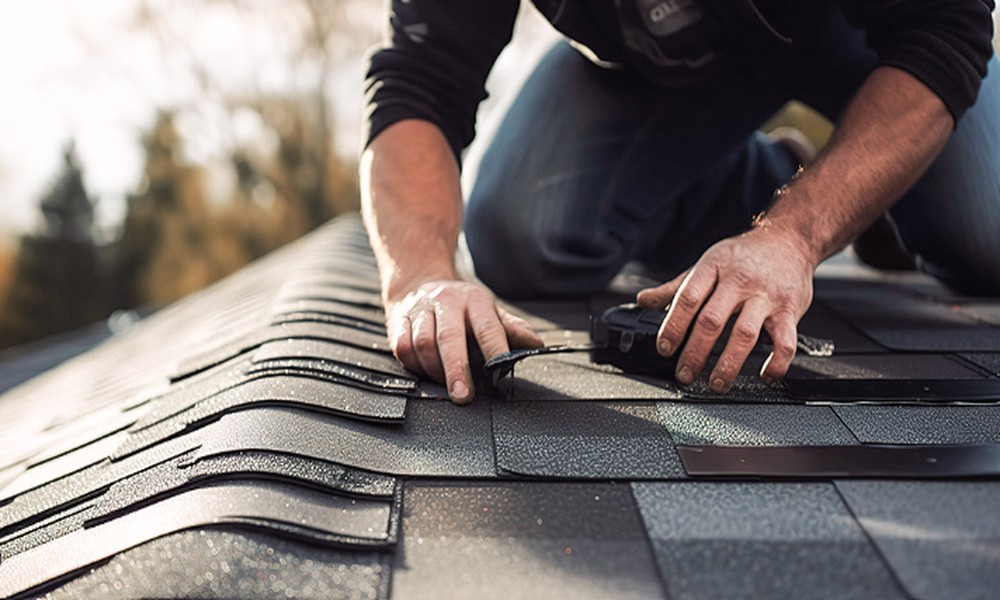
When a roof begins to show signs of wear, some homeowners look for ways to reduce replacement costs. One option that may seem appealing is installing a new layer of shingles over the existing roof. While this approach can lower upfront expenses, it often creates hidden problems that lead to higher costs in the future. In many cases, layering shingles is a financial time bomb waiting to explode.
Hidden Damage Goes Unnoticed
Installing new shingles over an existing layer prevents roofers from fully inspecting the roof deck underneath. Moisture damage, wood rot, mold growth, or structural weaknesses can remain hidden and continue to worsen over time. What starts as a minor issue can eventually require extensive and costly repairs.
Extra Weight on the Roof Structure
Every layer of shingles adds significant weight to a home’s roofing system. While many roofs can support two layers, the additional load places extra stress on the roof deck and supporting structures. Over time, this added weight can contribute to sagging, structural deterioration, and reduced roof lifespan.
Shorter Roof Life Expectancy
New shingles perform best when installed on a clean, properly prepared roof deck. When placed over an uneven layer of old shingles, the new roofing materials may not lay flat or seal correctly. This can lead to premature wear, reduced durability, and a shorter lifespan compared to a complete roof replacement.
Increased Risk of Leaks
An overlay roof can make it more difficult to identify and repair leaks. Existing problems beneath the old shingles may continue to develop, allowing water to penetrate the roofing system. Once moisture becomes trapped between layers, repairs become more complicated and expensive.
Higher Future Replacement Costs
Although a roof overlay may save money initially, it often increases the cost of future roof replacements. When the roof eventually needs to be replaced, contractors must remove multiple layers of shingles instead of one. This additional labor and disposal expense can significantly increase project costs.
Reduced Energy Efficiency
Old roofing materials may already have moisture damage, poor ventilation, or deteriorated underlayment. Covering these issues with a new layer of shingles does not improve the roof’s overall performance. As a result, homeowners may continue to experience energy loss and higher utility bills.
Potential Warranty Limitations
Some roofing manufacturers offer limited warranty coverage or may not provide the same warranty protections when shingles are installed over an existing roof. Homeowners should carefully review warranty requirements before choosing an overlay installation.
A Full Tear-Off Provides Better Long-Term Value
A complete roof replacement allows contractors to inspect the roof deck, address hidden damage, install new underlayment, and ensure the roofing system meets current building standards. While the initial investment may be higher, a full tear-off often delivers greater durability, better protection, and lower long-term maintenance costs.
Conclusion
Laying new shingles over an old layer may seem like a cost-saving solution, but it often creates expensive problems down the road. Hidden damage, added structural weight, shorter roof life, and increased future replacement costs can quickly outweigh the initial savings. For homeowners looking to protect their investment, a complete roof replacement is often the smarter and more financially sound choice.
This post was written by a professional at Coastal Brothers Roofing. Coastal Brothers Roofing is a family-owned Tampa roof installation company offering expert re-roofing and repair services. Whether you need a roof replacement in Tampa, FL, or maintenance, we install premium shingles, tile, metal, and low-slope systems, including products from Tamko and Owens Corning. Our team also provides gutter, soffit, fascia, and emergency tarping. Trusted as one of the best residential roofing companies near you, we deliver durable, high-quality roofing systems built for Florida’s climate.
