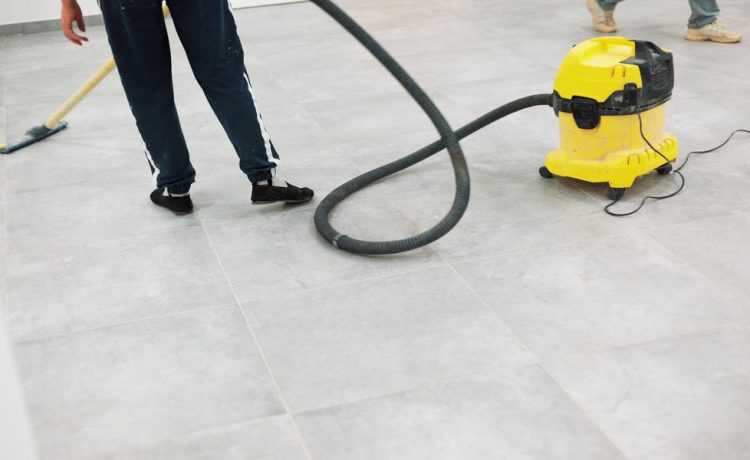
Construction residue removal is the final step that transforms a finished build into a livable or usable space. Even after contractors complete their work, fine dust, adhesives, debris, and leftover materials remain. Removing these residues is essential before any property can be safely occupied.
What Construction Residue Actually Includes
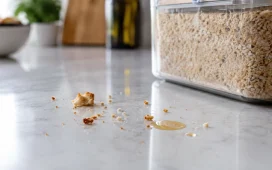
Construction residue goes far beyond visible trash. It includes drywall dust, sawdust, cement particles, paint splatters, adhesive films, and protective coverings left behind on surfaces.
These materials often settle in hidden areas such as vents, corners, baseboards, and inside cabinets. Without proper removal, the space may look complete but still feel unfinished and unsafe.
Why Residue Removal Is Necessary Before Occupancy
Leaving construction residue in a space can create both health and safety issues. Fine dust particles can affect indoor air quality and trigger respiratory irritation. Sharp debris like nails or broken materials can also pose physical hazards.
In addition, residue can damage new finishes over time if not removed properly. For example, dust buildup can scratch flooring or dull freshly painted surfaces.
Key Steps in Residue Removal
A proper residue removal process follows a detailed sequence. It begins with clearing large debris and continues with progressively finer cleaning methods.
Common steps include:
- Removing leftover materials and packaging
- Sweeping and vacuuming all surfaces
- Wiping walls, baseboards, and fixtures
- Cleaning inside cabinets and storage areas
- Removing adhesives, paint splatter, and protective films
- Deep cleaning floors and polishing surfaces
Each step ensures that no layer of construction waste is left behind.
Attention to Hidden and Overlooked Areas
One of the most important aspects of residue removal is addressing hidden spaces. Air vents, ceiling corners, light fixtures, and behind installed appliances often collect fine dust during construction.
If these areas are ignored, dust can continue circulating even after the space is occupied, affecting cleanliness and comfort.
Final Inspection and Readiness for Use
Before a space is considered ready for occupancy, a final inspection ensures all residue has been removed. This includes checking for dust buildup, leftover materials, and surface imperfections.
The goal is to confirm that the property is not only visually clean but also safe and fully functional for occupants.
Final Thoughts
Construction residue removal is the final transformation step in any building project. It ensures that a space is safe, clean, and truly ready for use. By thoroughly removing dust, debris, and hidden contaminants, contractors and cleaning teams deliver a finished product that meets professional standards and occupant expectations.
This post was written by a professional at Elite Service Solutions. Elite Service Solutions is your partner in commercial Janitorial cleaning near you. We offer a wide range of services, including janitorial, business deep cleaning near you, post-construction cleanup, VCT stripping and waxing, tile and grout cleaning, carpet cleaning, and more! Our expertise and commitment to quality ensure your space is not only clean but truly transformative. We customize cleaning plans to meet your specific needs and budget, using eco-friendly products and advanced technology. Our team is dedicated to excellence, aiming to exceed your expectations with every job. Choose Elite Service Solutions for a pristine, healthy, and welcoming environment. Contact us to elevate your experience with business cleaning near you!