

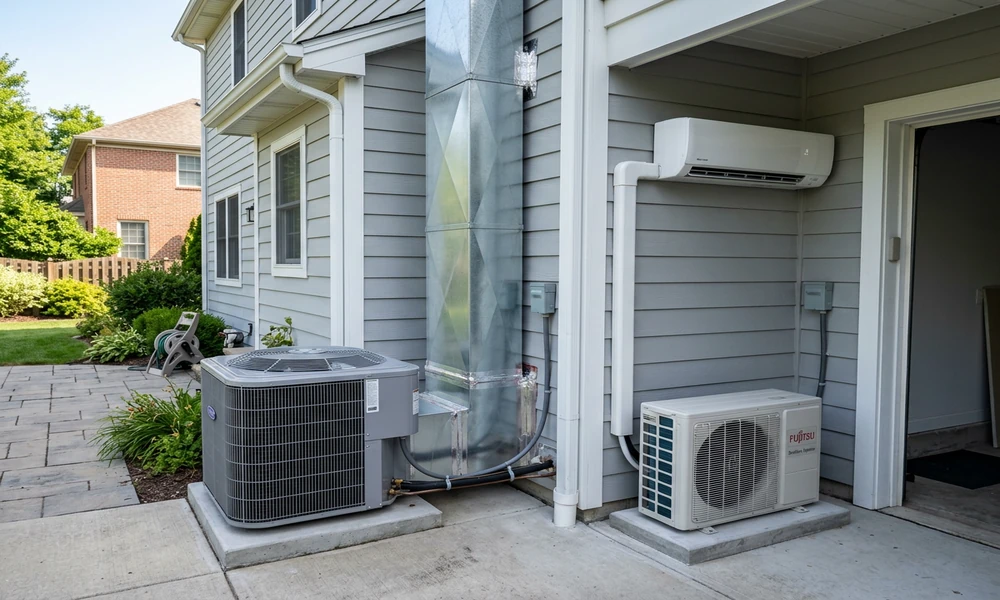
Securing Long-Term Comfort with Reliable HVAC SolutionsUnderstanding the Core Mechanics of Modern Climate Control
To truly appreciate the differences between central AC and ductless mini-split systems, we first need to understand their fundamental operating principles. Both systems rely on the same scientific principle: the refrigerant cycle. This process involves a chemical refrigerant absorbing heat from inside your home and releasing it outside, effectively moving heat rather than creating cold. Key components like the evaporator coil, outdoor condenser, and a compressor are central to this heat exchange. However, their methods of air distribution and the overall system architecture diverge significantly.
How Central AC Systems Distribute Air
Central air conditioning, a long-standing staple in many homes, operates as a unified system designed for whole-house climate control. At its heart is a centralized air handler, typically located in a basement, attic, or utility closet. This unit conditions the air and then distributes it throughout the home via a network of ductwork.
The process begins when a centralized thermostat signals the system to activate. Air from your home is drawn into the air handler through return vents. Inside the air handler, the air passes over an evaporator coil, which cools and dehumidifies it. The conditioned air is then pushed through a system of galvanized metal or flexible ductwork, emerging into various rooms through supply registers. The outdoor condenser unit works in tandem, releasing the heat absorbed by the refrigerant. This forced-air distribution ensures a consistent temperature across all connected areas, making it a popular choice for homes built with this infrastructure in mind.
How Ductless Mini-Splits Provide Targeted Comfort
Ductless mini-split systems, often lauded for their flexibility, take a different approach to delivering conditioned air. As the name suggests, they forgo extensive ductwork. Instead, a single outdoor condenser unit can connect to multiple individual indoor heads, creating a multi-zone capability. Each indoor unit, typically a sleek wall-mounted unit, ceiling cassette, or floor-standing model, serves a specific room or zone.
The connection between the outdoor and indoor units is made via slim refrigerant lines and electrical wiring, requiring only a small conduit hole through an exterior wall. Each indoor head contains its own evaporator coil and fan, allowing for independent control of temperature and fan speed within its designated zone. This setup means we can cool or heat only the occupied spaces, rather than the entire house. This targeted approach is a significant departure from central AC’s whole-house strategy, offering a level of personalized comfort and energy management that traditional ducted systems often cannot match without complex modifications.
Evaluating Long-Term HVAC Solutions for Energy Efficiency
When considering Thompson’s Long-Term HVAC Solutions for home comfort, energy efficiency stands as a paramount factor. Both central AC and ductless mini-split systems have evolved significantly, offering impressive Seasonal Energy Efficiency Ratio 2 (SEER2) ratings in June 2026. However, how they achieve and maintain this efficiency in real-world applications can vary dramatically, primarily due to the presence or absence of ductwork and the sophistication of their compressor technology.
Modern ductless mini-splits often incorporate inverter technology and variable-speed compressors. Unlike traditional single-stage central AC units that cycle on and off at full power, variable-speed compressors can modulate their output to precisely match the cooling or heating demand. This allows for continuous, low-power operation, known as part-load operation, which is significantly more efficient than constant stop-and-start cycling. This precise control not only reduces energy consumption but also leads to more consistent temperatures and improved dehumidification.
Optimizing Central Systems as Long-Term HVAC Solutions
For homes with central AC, optimizing efficiency largely revolves around the integrity of the ductwork. While central AC units themselves can boast high SEER2 ratings (up to 21+ for top-tier models), research consistently shows that leaky ductwork can reduce a central AC system’s effective efficiency by as much as 30%. The Department of Energy states that typical duct systems lose 25% to 30% of their cooling energy through leaks, poor insulation, or thermal bypass. This means a significant portion of the conditioned air never reaches its intended destination, leading to wasted energy and higher utility bills.
To mitigate these losses and enhance the long-term efficiency of central systems, we emphasize the importance of duct sealing and adequate attic insulation. Sealing leaks and insulating ducts in unconditioned spaces like attics or crawl spaces can drastically improve performance. Furthermore, upgrading to multi-stage or variable-speed central AC units, which offer more nuanced control than older single-stage systems, can also contribute to substantial energy savings and more consistent indoor temperatures.
Eliminating Duct Loss with Ductless Systems
One of the most compelling arguments for the energy efficiency of ductless mini-splits is their inherent design: they eliminate duct loss entirely. By delivering conditioned air directly into the room, there’s no opportunity for air to escape or gain/lose heat through leaky or poorly insulated ductwork. This direct delivery contributes to significantly higher real-world SEER2 ratings, with top-tier ductless mini-splits reaching up to 38+ SEER2, and some premium models even hitting 33 to 42 SEER2.
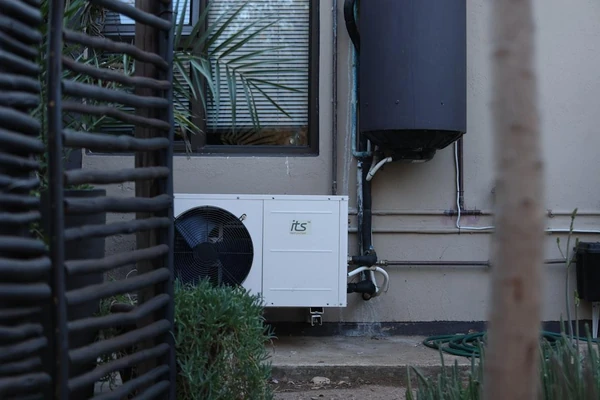
This zero duct leakage advantage, combined with their variable-speed inverter technology, allows mini-splits to excel in part-load operation, precisely matching the cooling or heating load of a specific zone. This localized temperature control and zone-specific scheduling mean we only condition the spaces we are actively using, leading to substantial energy savings. Studies indicate that mini-splits can reduce cooling costs by 30% or more in homes that previously relied on window units or leaky central systems, and can save up to 30% more energy than central AC systems overall. This makes them a strong contender for those prioritizing energy waste reduction and long-term operational savings.
Home Layout and Infrastructure Considerations
The decision between central AC and ductless mini-splits is often heavily influenced by the existing home layout and infrastructure. Architectural constraints, whether in historic homes or modern designs, can dictate the feasibility and cost-effectiveness of each system. Understanding how each system integrates with different home types is crucial for selecting the most appropriate long-term HVAC solution.
Homes without existing ductwork, such as many historic homes on the peninsula or older structures, face a significant hurdle with central AC installation, as adding new ductwork can be incredibly invasive and costly. Similarly, home additions, converted garages, or slab-on-grade construction often present challenges for extending traditional duct systems. Multi-story zoning, where different floors have varying temperature needs, also plays a role in determining the optimal system.
When Ductless Mini-Splits Offer the Best Long-Term HVAC Solutions
Ductless mini-splits shine in scenarios where traditional central AC systems are impractical, expensive, or inefficient. They are an ideal choice for:
- Homes without existing ducts: For older homes, like a historic bungalow, installing extensive ductwork can be a monumental and costly undertaking, potentially compromising architectural integrity. Mini-splits offer a non-invasive solution.
- Converted garages, sunrooms, or finished basements: These spaces often lack connections to the main home’s ductwork. A single-zone mini-split can efficiently condition these areas without the need to extend existing, or install new, ductwork.
- Localized hot or cold spots: If a particular room always runs five degrees hotter or colder than the rest of the house, a mini-split can provide targeted comfort without over-cooling or over-heating the entire home.
- Multi-zone control needs: For households with varying temperature preferences or different usage patterns (e.g., a home office used during the day while other rooms are empty), mini-splits allow for individual zone control, ensuring comfort where and when it’s needed.
Their flexibility and minimal installation requirements make them perfect for preserving the character of older homes or providing efficient cooling to spaces not originally designed for central air.
When Central AC Remains the Practical Choice
Despite the many advantages of ductless systems, central AC remains the practical and often preferred choice in several situations:
- Existing well-sealed ductwork: If your home already has a robust, well-maintained, and properly sealed ductwork system, installing or upgrading a central AC unit is typically the most straightforward and cost-effective option. The infrastructure is already in place, minimizing installation disruption and expense.
- Large open floor plans: For expansive homes or those with open-concept designs, central AC excels at providing uniform whole-home cooling. A single system can efficiently distribute conditioned air throughout large, interconnected spaces, maintaining consistent comfort.
- Aesthetic preferences: Many homeowners prefer the invisible nature of central AC, where only subtle supply registers and return vents are visible. The indoor units of mini-splits, while increasingly sleek, are still mounted on walls or ceilings, which some homeowners find less appealing for their interior design.
- Whole-home air filtration: Central AC systems integrate seamlessly with whole-home air filtration and indoor air quality products, offering superior air purification for the entire residence.
For many homeowners, especially those with newer homes or well-preserved existing ductwork, central AC continues to be the gold standard for comprehensive, consistent, and aesthetically discreet climate control.
Maintenance, Air Quality, and Lifespan Dynamics
Beyond the initial installation and energy efficiency, the long-term viability of any HVAC system hinges on its maintenance requirements, impact on indoor air quality, and expected operational lifespan. Understanding these dynamics is crucial for securing long-term comfort and maximizing your investment. Both central AC and ductless mini-split systems demand attention, but the nature of that care and their air quality contributions differ.
Filtration and Indoor Air Quality
Indoor air quality (IAQ) is a growing concern for many homeowners, and both systems approach filtration differently.
Central AC systems typically integrate with a single, larger air filter located at the return air duct or within the air handler. These systems can accommodate higher-grade whole-home media filters, including HEPA filters or those with higher MERV ratings, which are highly effective at capturing dust, pollen, pet dander, and other allergens throughout the entire house. Furthermore, central systems can more easily incorporate additional indoor air quality products, such as UV lights for germicidal control, humidifiers, or dehumidifiers, to maintain optimal indoor air conditions.
Ductless mini-splits feature localized washable mesh filters in each indoor unit. These filters are effective at capturing larger particles like dust and pet hair. Some advanced mini-split models also offer multi-stage filtration with carbon inserts or electrostatic filters for improved air purification. While effective for the specific zone they serve, they generally offer less comprehensive whole-home filtration compared to a central system with a high-MERV filter. However, mini-splits can be particularly effective at humidity control within their zones, often featuring dedicated dry modes that help manage moisture levels without over-cooling.
Routine Maintenance and Lifespan Expectations
Regardless of the system chosen, routine maintenance is paramount for optimal performance, efficiency, and system longevity.
Central AC systems require annual professional tune-ups to ensure all components are functioning correctly, refrigerant levels are optimal, and electrical connections are secure. Homeowners should regularly replace air filters (typically every 1-3 months, depending on usage and filter type) and ensure the outdoor condenser unit is kept clear of debris. Duct cleaning may also be necessary periodically, especially if dust or allergen buildup is a concern.
Ductless mini-splits also benefit from annual professional servicing, which includes checking refrigerant lines, electrical components, and cleaning the outdoor unit. However, their indoor units require more frequent user maintenance: the washable mesh filters should be cleaned every 2-4 weeks, especially if the system is used year-round. Periodically, these indoor units may also require a deeper professional cleaning to prevent mold or odor buildup in the coil and fan.
Both central AC and ductless mini-split systems typically last between 15 and 20 years with proper maintenance. While some premium mini-split brands claim lifespans of 20-25 years or more, the key differentiator for both remains consistent, professional care and regular filter maintenance.
Here’s a quick comparison of key performance metrics:
Feature Central AC Ductless Mini-Split Efficiency (SEER2) Up to 21+ (effective efficiency reduced by duct loss) Up to 38+ (no duct loss, variable speed) Zoning Control Limited (whole-home, or costly add-on dampers) Excellent (room-by-room, individual controls) Installation Invasive if new ducts needed, simple with existing Minimal disruption, small wall hole Aesthetics Invisible (vents only) Visible indoor units (wall, ceiling, floor) Noise Level (Indoor) Moderate (from vents) Very quiet (some units as low as 19 dB) Air Quality Excellent (whole-home, high-MERV filter options) Good (localized, washable filters, some advanced) Heating Capability Often paired with furnace; heat pump option Standard heat pump (cooling & heating) Maintenance (User) Filter replacement (1-3 months) Filter cleaning (2-4 weeks) Maintenance (Pro) Annual tune-up, duct inspection/cleaning Annual tune-up, indoor unit deep cleaning Lifespan 15-20 years (with maintenance) 15-20 years (with maintenance) Frequently Asked Questions about Home Climate Upgrades
As we navigate the complexities of modern HVAC systems, several common questions arise for homeowners considering an upgrade or new installation. Addressing these queries can provide further clarity on which system aligns best with your specific needs for long-term comfort and efficiency.
Can both systems provide efficient heating in winter?
Yes, both central AC and ductless mini-split systems can provide efficient heating, though their primary heating mechanisms often differ.
Many central AC systems are cooling-only and are typically paired with a separate furnace (gas, oil, or electric) for heating. However, central heat pump systems are also widely available. These units function like an air conditioner in reverse, extracting heat from the outdoor air and transferring it indoors, even in moderately cold temperatures. For colder climates, central heat pumps can be combined with a furnace in a dual-fuel setup, where the furnace takes over when temperatures drop too low for the heat pump to operate efficiently.
Ductless mini-splits are almost universally heat pumps. This means they inherently provide both cooling and heating functionality by simply reversing the refrigerant flow. Modern cold-climate mini-split heat pumps are remarkably efficient, maintaining a significant portion of their heating capacity down to very low outdoor temperatures (e.g., 70% capacity at 5 degrees Fahrenheit). This makes them a viable primary heating source in many regions and an excellent supplemental heating option in colder climates, often outperforming traditional electric resistance heating in terms of efficiency.
Is it possible to combine central AC and ductless mini-splits in a hybrid setup?
Absolutely, combining central AC and ductless mini-splits into a hybrid system is a popular and often highly effective strategy. This approach allows homeowners to leverage the strengths of each system for optimal comfort and energy optimization.
A common hybrid setup involves using a central AC system as the primary ducted system for the main areas of the house that have existing ductwork. Then, secondary ductless units are installed in specific zones that are difficult to cool or heat with the central system, or in new additions. For example, a sunroom, a finished attic, a converted garage, or a bedroom that always seems to be a hot spot can benefit immensely from a dedicated mini-split unit.
This targeted comfort approach means you’re not overworking your central system to address a single problem area, which can lead to significant energy savings. It also provides individual control over those specific zones, catering to diverse comfort preferences within the household. This flexibility makes hybrid systems an excellent long-term HVAC solution for homes with unique layouts or varying comfort demands.
How does the noise level compare between the two systems?
Noise level is a significant comfort factor, and there are notable differences between central AC and ductless mini-splits.
Central AC systems typically have a single outdoor compressor unit that can generate moderate noise. Indoors, the sound comes from air moving through the ductwork and vents, which is generally a consistent hum. While modern central units are quieter than their predecessors, the sound of air rushing through supply registers can still be noticeable, and the outdoor unit can be heard, especially when cycling on and off.
Ductless mini-splits are generally celebrated for their whisper-quiet operation. The indoor units are designed to be very quiet, with some models running as low as 19 decibels – quieter than a rustling leaf. This is due to their advanced fan technology and the absence of noisy ductwork. The outdoor compressor unit for a mini-split is also typically quieter than a central AC outdoor unit, often operating around 55 decibels compared to 70 decibels or more for some central units. The variable-speed compressors in mini-splits also mean they rarely run at full power, contributing to quieter overall operation. This makes them particularly appealing for bedrooms, home offices, or any space where minimal noise is desired.
Conclusion
Navigating the central AC vs. ductless mini-split comparison reveals that there is no universal “best” system; rather, the optimal choice is deeply personal and dependent on your home’s unique characteristics, your lifestyle, and your long-term comfort goals. From the fundamental mechanics of air distribution to the nuances of energy efficiency, installation, and maintenance, each system offers distinct advantages.
For homes with existing, well-maintained ductwork, central AC often remains a practical and aesthetically preferred solution, providing uniform whole-home cooling and robust air filtration. However, for older homes without ducts, new additions, or spaces with specific hot/cold spots, ductless mini-splits present an incredibly energy-efficient and flexible alternative, offering precise zone control and eliminating the significant energy losses associated with ductwork.
Making an informed decision involves a careful assessment of your home’s infrastructure, your priorities regarding energy savings, indoor air quality, zoning capabilities, and aesthetic preferences. We always recommend consulting with HVAC professionals to conduct a thorough load calculation and evaluate your specific needs. By understanding these critical distinctions and seeking expert guidance, you can confidently choose the HVAC solution that secures long-term comfort and contributes to an energy-efficient future for your home.
