

Key Takeaways
- Regular cleaning, moisture control, and sealing entry points help prevent common household pests.
- Seattle’s damp climate makes proactive, year-round pest prevention especially important.
- Professional pest control services can provide effective solutions for persistent or large-scale infestations.
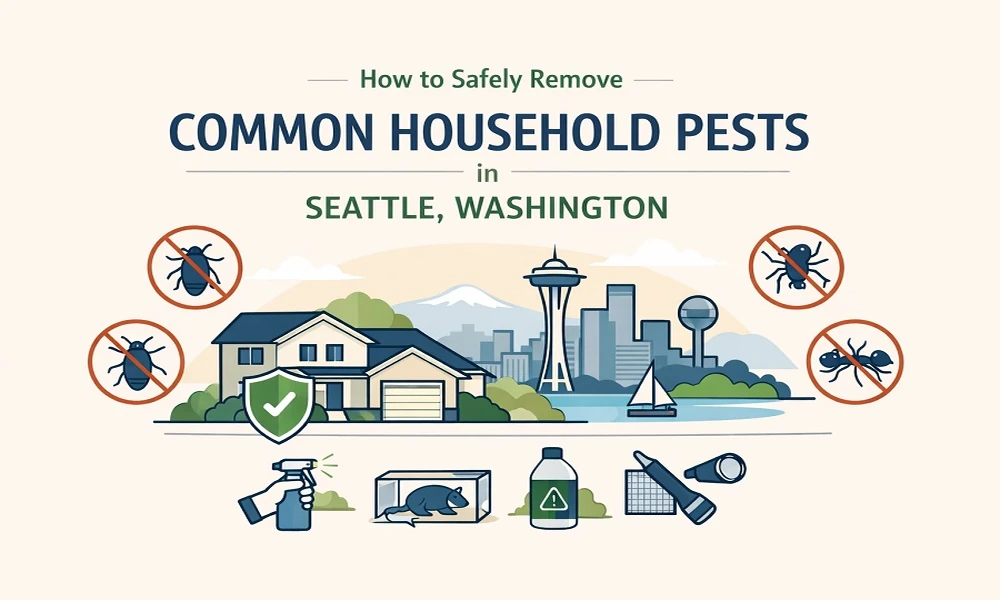
Seattle’s damp weather, leafy neighborhoods, and old homes attract pests like ants, cockroaches, and rodents. Residents must know how to identify, prevent, and remove these invaders to protect their homes and health. For those seeking expert advice and support with local pest issues, United Pest Solutions offers regional expertise tailored for Seattle homes. Understanding local pest behaviors and the safest removal practices is the first step toward maintaining a healthy, pest-free home environment.
Because of Seattle’s lush vegetation and frequent rain, homes can easily become a target for infestations. The city’s residents must remain particularly vigilant about moisture control, seasonal pest entry, and proper food storage. Implementing the right strategies for identification, safe removal, and prevention can significantly reduce headaches and costly repairs down the line. Whether you live in a historic Craftsman in Capitol Hill or a modern apartment in South Lake Union, knowing what to watch for and how to respond will help keep pests at bay.
Ants
Seattle homes, especially those near wooded areas or with chronic moisture problems, are often targeted by ants. Odorous house ants and carpenter ants are common nuisances, with the latter threatening the structural integrity of wood. Ants enter looking for food and water, making kitchens and pantries their favorite invasion points.
- Wipe down counters and store food in sealed containers.
- Clean visible ant trails with a vinegar-and-water mixture to disrupt pheromone trails.
- Deploy bait traps made of borax and sugar to target colonies at their source.
- Seal exterior cracks and tiny entry points with caulk or weatherstripping.
Cockroaches
Cockroaches thrive in Seattle’s moist environments, particularly in basements, kitchens, or older homes where leaky pipes are common. Beyond being unsightly, they pose health risks by contaminating food and triggering allergies.
- Eliminate food and water sources by repairing leaks and promptly cleaning up crumbs.
- Set up bait stations and sticky traps in affected areas, especially at night when roaches are most active.
- Seal all entry holes, particularly around plumbing and along baseboards.
Mice
Mice in Seattle often seek shelter indoors during predictable fall and winter rains. In addition to contaminating food supplies, mice gnaw on electrical wiring and insulation, creating fire and health hazards for homeowners.
- Block entryways with steel wool or caulk, focusing on areas around foundations, doors, and pipes.
- Use humane catch-and-release traps and place them where droppings or gnaw marks are found.
- Keep counters and floors clean and store food in chew-proof containers.
Spiders
Though most spiders in Seattle are harmless, including the common house spider, some, like the yellow sac spider, may deliver painful bites. Their increase in homes is often noticed during the wet and cooler months.
- Employ a cup-and-paper method or specialized no-touch spider catchers for humane removal.
- Seal gaps around windows, doors, and attics to prevent spiders from entering.
- Reduce outdoor clutter near foundations and minimize indoor debris to reduce hiding spots.
Mosquitoes
Seattle’s rainy season results in abundant standing water, ideal for mosquito breeding. These pests are not only bothersome but can potentially spread diseases like West Nile virus.
- Eliminate standing water from plant saucers, gutters, and other containers weekly.
- Use essential oils such as eucalyptus or citronella in diffusers or sprays for natural repellence.
- Plant mosquito-repellent herbs like basil, lavender, and mint in patio planters and window boxes.
Stink Bugs
Stink bugs are notorious for seeking out warmth in Seattle homes during cold snaps. While not dangerous, their presence is unpleasant, and crushing them releases an unpleasant odor.
- Seal exterior gaps and install weather stripping around doors and windows in early fall.
- Apply natural repellents, such as mint oil spray, to potential entry points.
- Physically remove bugs with a vacuum or container, taking care not to squish them indoors.
Prevention Tips
Preventing pest problems is far more straightforward than dealing with full-blown infestations. Consistent vigilance, especially before Seattle’s wet seasons, is the key to keeping pests outside where they belong.
- Keep all food sealed in airtight containers and sweep up crumbs quickly.
- Seal cracks, gaps, and entry holes with quality caulk or insulation.
- Fix all plumbing leaks and dry up water around sinks, foundations, and crawl spaces.
- Declutter both inside and outside the home to eliminate nesting areas.
When to Seek Professional Help
If Seattle homeowners struggle with pests despite home remedies, they should call local experts. These professionals offer advanced, tailored treatments for Seattle’s pests and environment. They can identify hidden infestations and advise on prevention, protecting both property and residents. By recognizing common Seattle pests and taking proactive steps, homeowners can keep their homes safe and pest-free year-round. Regular maintenance, safe removal, and understanding the local environment are key to lasting pest prevention.
Conclusion
Effective pest control in Seattle starts with prevention, regular home maintenance, and an understanding of the region’s unique climate. By addressing pest issues early, eliminating food and moisture sources, and sealing potential entry points, homeowners can reduce the risk of infestations throughout the year. When persistent pest problems arise, professional pest control services can provide targeted, long-lasting solutions to help keep your home safe, healthy, and pest-free.
