The Core Components of Roofing and Exterior Remodeling
Your home is a major investment. Keeping it safe, comfortable, and beautiful is a top priority. Quality roofing and exterior remodeling are key to achieving this goal.
These upgrades offer many benefits. They can make your home more energy-efficient and greatly improve its curb appeal. These projects also add significant value, with many homeowners seeing a strong return on their investment upon resale.
In this extensive guide, we will explore everything you need to know about exterior renovations. We will cover common exterior services like roofing, siding, windows, gutters, and doors. We will also discuss how to pick the right materials for your home and climate. This includes durable options such as fiber cement siding, like EMC exterior Hardie siding.
We will also help you identify signs of wear and tear. We will explain what to expect during a project and how to choose a reliable contractor. Our aim is to give you the knowledge to make smart, informed decisions for your home’s exterior.
When we talk about exterior remodeling, we’re referring to a comprehensive approach to enhancing your home’s protective shell and aesthetic appeal. The most common exterior remodeling services homeowners invest in are roofing, siding, windows, gutters, and doors. These elements work together as a complete system, safeguarding your home from the elements, improving its energy performance, and defining its overall look.
Investing in high-quality exterior home improvements can significantly transform your property. Beyond just aesthetics, these projects contribute to the structural integrity and longevity of your home. For example, a new roof protects everything beneath it, while modern windows and insulated siding can dramatically reduce energy consumption.
Selecting Materials for Your Climate and Home Style
Choosing the right materials is crucial for both functionality and curb appeal. Your climate, budget, and desired architectural style will heavily influence these decisions.
Roofing Materials:
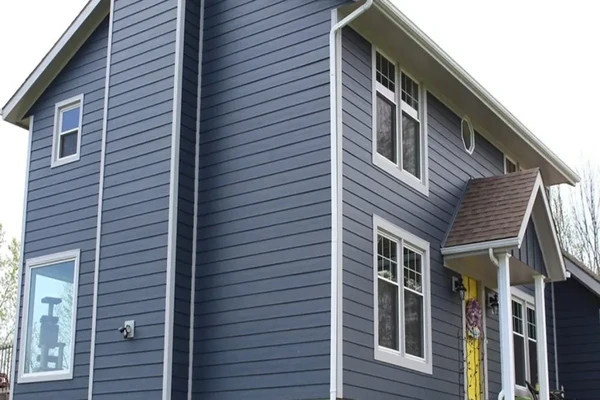
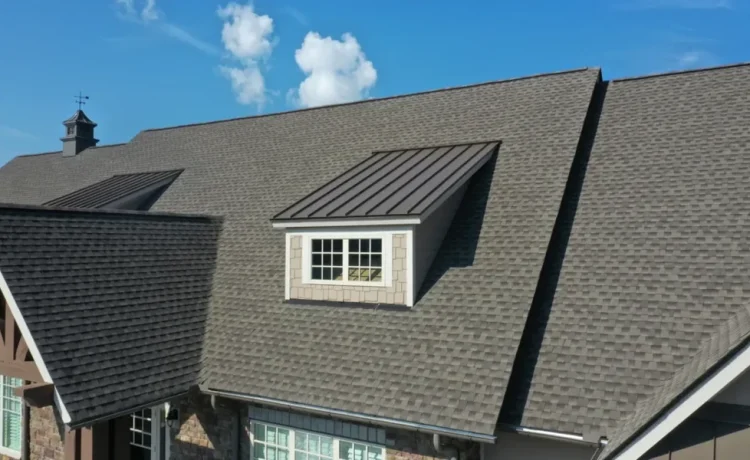
- Asphalt Shingles: These are the most popular choice in the U.S., offering versatility, affordability, and a wide range of colors and styles. They are suitable for most climates, though specialized options exist for extreme weather.
- Metal Roofing: Known for its exceptional durability, longevity (often 50+ years), and resistance to fire and high winds. Metal roofs can also be energy-efficient due to their reflective properties, making them ideal for sunny climates. They come in various profiles, from standing seam to metal shingles that mimic other materials.
- Tile (Clay/Concrete): A classic choice for Mediterranean or Spanish-style homes, offering excellent durability, fire resistance, and insulation. However, they are heavy and require a robust roof structure.
- Wood Shakes/Shingles: Provide a natural, rustic look but require more maintenance and are less fire-resistant than other options. Best suited for specific architectural styles and drier climates.
Siding Types:
- Vinyl Siding: Dominant in the market, vinyl is popular for its low maintenance, affordability, and variety of colors and textures. It’s durable and resistant to moisture, making it a good choice for many climates.
- Fiber Cement Siding: A highly durable and versatile option, fiber cement (such as James Hardie siding) resists rot, pests, fire, and extreme weather. It can mimic the look of wood, stucco, or masonry and holds paint exceptionally well. It’s an excellent choice for longevity and resilience.
- Wood Siding: Offers natural beauty and insulation but requires regular maintenance (painting/staining) to prevent rot and insect damage. Available in various styles like clapboard, shakes, and shingles.
- Brick/Stone Veneer: Provides a classic, robust, and low-maintenance exterior with excellent durability and insulation. It’s a significant investment but offers timeless appeal.
For a deeper dive into siding options and how they can elevate your home’s aesthetic and protection, explore our guide on exterior siding upgrades.
Here’s a comparison to help you weigh your options:
Material Type Pros Cons Ideal For Asphalt Shingles Affordable, wide variety, easy installation Shorter lifespan (20-30 yrs), less durable in extreme weather Budget-conscious, traditional homes, moderate climates Metal Roofing Long lifespan (50+ yrs), energy-efficient, durable, low maintenance Higher upfront cost, can be noisy during rain, limited aesthetic range Modern homes, extreme weather areas, energy-conscious homeowners Fiber Cement Highly durable, fire/pest/rot resistant, versatile aesthetics Heavier, professional installation required, higher cost than vinyl Any home, especially in harsh climates, seeking longevity and low maintenance Vinyl Siding Low cost, low maintenance, wide color selection Can crack in extreme cold, prone to fading, less rigid Budget-friendly projects, diverse styles, moderate climates Wood Siding Natural beauty, good insulation High maintenance, susceptible to rot/pests, fire risk Historic homes, rustic styles, homeowners committed to upkeep Maximizing Energy Efficiency and Curb Appeal
Exterior remodeling offers a prime opportunity to enhance your home’s energy performance and boost its visual appeal. Over 75% of homeowners prioritize energy efficiency in their exterior projects.
- Windows: Replacing old, drafty windows with ENERGY STAR-rated models can significantly reduce your heating and cooling costs, potentially saving 7-15% annually on energy bills. Modern windows feature multiple panes, low-emissivity (Low-E) coatings, and insulated frames to minimize heat transfer. Our window replacement services can help you select the best options for your home.
- Siding: Insulated siding, which includes a layer of rigid foam insulation, can improve your home’s R-value (a measure of thermal resistance) and reduce heat loss or gain through your walls.
- Roofing: Lighter-colored roofing materials, particularly metal or specialized asphalt shingles with reflective granules, can reflect more sunlight and reduce heat absorption, lowering attic temperatures and cooling costs. This is especially beneficial in warmer climates.
- Doors: Upgrading to energy-efficient entry and patio doors with insulated cores and weatherstripping can prevent drafts and improve your home’s thermal envelope.
Beyond efficiency, these upgrades dramatically improve curb appeal. A fresh, modern exterior not only makes your home more enjoyable but also increases its market value. Homeowners who replace their roof can expect to recoup about 60-70% of the cost upon resale, and similar returns are often seen with other major exterior renovations.
Identifying Signs Your Home Needs Exterior Repairs or Replacement
Your home’s exterior components are constantly exposed to the elements, and over time, they will show signs of wear and tear. Recognizing these indicators early can save you from more extensive and costly damage down the line. Regular inspections are key to proactive maintenance.
When to Choose Roof Repair vs. Full Replacement
Deciding between a roof repair and a full replacement depends on several factors: the age of your roof, the extent of the damage, and your long-term plans for the property.
- Age of Roof: Most asphalt shingle roofs have a lifespan of 20-30 years. If your roof is nearing or beyond this age and experiencing issues, a replacement is often the more economical long-term solution.
- Extent of Damage: Isolated damage, such as a few missing shingles or a small leak, can often be addressed with a targeted repair. However, widespread granule loss, significant curling or cracking of shingles across multiple sections, or structural damage often points to the need for a full replacement.
- Cost-Benefit Analysis: While a repair is cheaper upfront, frequent repairs on an aging roof can quickly add up, eventually surpassing the cost of a new roof. A new roof also comes with a fresh warranty and improved performance. Our experts can provide a detailed assessment to help you make an informed decision regarding roof repair services versus roof replacement services.
For other areas of your home, look out for these signs:
- Siding: Warping, cracking, buckling, fading, or moisture stains can indicate that your siding is failing. Peeling paint or persistent mold/mildew growth might also signal underlying issues.
- Gutters: Sagging, overflowing, rust spots, or disconnected sections mean your gutters aren’t effectively directing water away from your foundation, potentially leading to water damage.
- Windows: Drafts, condensation between panes, difficulty opening/closing, or visible rot on frames are all signs that your windows may need attention.
- Doors: Gaps around the frame, drafts, or difficulty latching properly can compromise your home’s security and energy efficiency.
Addressing these issues promptly through exterior home repairs is crucial to maintaining your home’s integrity.
Emergency Roofing and Exterior Remodeling Solutions
Sometimes, exterior damage isn’t gradual but sudden and severe, often due to extreme weather. Storm damage, including high winds and hail, can wreak havoc on your roof and other exterior components.
- Storm Damage: High winds can lift and tear off shingles, exposing the underlying decking to moisture. Falling debris can puncture roofs or damage siding.
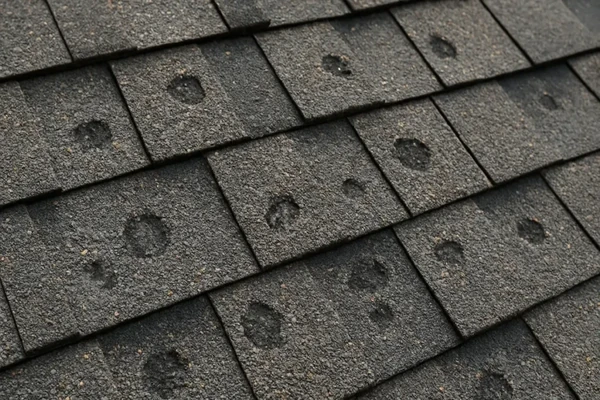
- Hail Impact: Hailstones can bruise asphalt shingles, creating soft spots that degrade rapidly, or crack and dent other materials. Even seemingly minor hail damage can compromise the integrity of your roof and lead to leaks over time.
In such emergencies, immediate action is vital. This might include temporary measures like emergency tarping to prevent further water intrusion while you arrange for permanent repairs. Many contractors offer rapid response services for storm-damaged homes. For urgent situations, our emergency roof repair team is equipped to provide immediate mitigation and assessment. If hail has impacted your property, specialized hail damage roof repair services are available to address these specific issues.
Navigating the Project Timeline, Financing, and Insurance Claims
Embarking on a major exterior remodeling project, whether it’s a full roof replacement or a multi-component overhaul, involves understanding timelines, managing finances, and potentially navigating insurance claims. Being prepared for these aspects ensures a smoother process.
What to Expect During a Roof Replacement or Exterior Remodel
The duration of an exterior remodeling project varies significantly based on its scope. A typical roof replacement, for instance, can often be completed in as little as one to three days for an average-sized home, depending on weather conditions and crew size. A full exterior remodel involving roofing, siding, windows, and gutters will naturally take longer, potentially several weeks.
Here’s a general overview of what homeowners can expect:
- Preparation: Before work begins, the contractor will protect your landscaping, driveways, and other vulnerable areas around your home.
- Tear-off: For roof replacements, the old roofing materials are removed down to the decking. This can be a noisy and messy process, but reputable contractors ensure thorough cleanup.
- Installation: New underlayment, flashing, and roofing materials are installed. For siding, old materials are removed, and new insulation and siding panels are meticulously installed. Windows and doors are carefully fitted and sealed.
- Cleanup: Daily cleanup is standard practice. At the project’s conclusion, a comprehensive cleanup ensures all debris, nails, and materials are removed, leaving your property tidy.
- Project Management: Throughout the process, a dedicated project manager should keep you informed of progress, address any concerns, and ensure the project stays on schedule.
Managing Insurance Claims for Storm and Hail Damage
Dealing with storm or hail damage can be stressful, but a reputable contractor can be an invaluable partner in navigating the insurance claims process. Many contractors specialize in insurance restoration and understand the intricacies involved.
- Initial Inspection: Your contractor will conduct a thorough inspection, often using specialized tools like drone imagery or HAAG-certified forensic inspections, to document all damage accurately. This detailed documentation is crucial for your claim.
- Claim Filing & Adjuster Coordination: They can guide you through filing your claim and will often meet with your insurance adjuster on-site to ensure all damage is identified and included in the scope of work. Many use Xactimate estimating software, which is the same system adjusters use, to ensure accurate and fair estimates.
- Scope of Work & Approval: The contractor will work with the adjuster to agree on a comprehensive scope of repairs. This process ensures that all necessary repairs are covered, not just the immediately obvious ones.
- Repair Execution: Once the claim is approved, the contractor proceeds with the repairs, adhering to the agreed-upon scope and quality standards.
For homeowners seeking assistance with storm damage and other exterior needs, resources like Residential roofing and exterior remodeling offer insights into handling such projects. The U.S. roofing market was valued at approximately $32.4 billion in 2023, highlighting the significant investment homeowners make in protecting their properties. The average cost of a full roof replacement in the U.S. ranges from $8,000 to $21,000, depending on materials and home size, making proper insurance handling and project management essential.
How to Choose a Reputable Contractor
Selecting the right contractor is paramount to the success and longevity of your exterior remodeling project. A reputable professional will ensure quality workmanship, adherence to timelines, and proper handling of all aspects, from materials to warranties.
Verifying Credentials for Roofing and Exterior Remodeling Projects
Before hiring, always verify a contractor’s credentials. This includes:
- Licensing and Insurance: Ensure they are properly licensed in your state or locality and carry adequate liability and worker’s compensation insurance. This protects you from financial responsibility in case of accidents or property damage.
- Certifications and Manufacturer Approvals: Look for contractors with specialized certifications from leading manufacturers. These indicate a high level of expertise, training, and adherence to specific installation standards. Examples include:
- GAF Master Elite: Less than 2% of roofing contractors nationwide achieve this status, signifying superior installation practices and the ability to offer enhanced warranties.
- James Hardie Elite Preferred: This designation ensures expertise in installing James Hardie fiber cement products.
- CertainTeed ShingleMaster or SELECT ShingleMaster: Demonstrates advanced knowledge of CertainTeed roofing systems.
- Owens Corning Platinum Preferred: Held by less than 1% of U.S. roofers, this allows for exclusive 50-year non-prorated warranties.
These certifications often mean the contractor can offer extended manufacturer warranties that cover not just materials but also workmanship, providing greater peace of mind for your professional roof installation. When considering a comprehensive exterior project, you might look for a company with a broad range of expertise, such as TJ Builders roofing and exterior remodeling, which highlights their commitment to quality across various exterior services.
Comparing Quotes and Avoiding Contractor Red Flags
Obtaining multiple quotes is a standard practice, but comparing them fairly requires more than just looking at the bottom line.
- Itemized Estimates: Insist on detailed, itemized quotes that clearly list materials, labor, and any additional costs (e.g., permits, waste disposal, unforeseen repairs like decking replacement). A vague quote is a red flag.
- Scope of Work: Ensure all quotes cover the exact same scope of work and materials. Differences in pricing might reflect differences in material quality or services included.
- Warranties: Compare the warranties offered – both for materials (manufacturer warranty) and workmanship (contractor’s warranty). Understand what each warranty covers and for how long.
- References and Reviews: Ask for local references and check online reviews. A reputable contractor will have a strong track record and positive feedback.
- Payment Schedule: Be wary of contractors who demand a large upfront payment. A reasonable payment schedule typically involves a deposit, progress payments, and a final payment upon satisfactory completion.
- High-Pressure Sales: Avoid contractors who use aggressive sales tactics, pressure you to sign immediately, or offer steep “discounts” that expire quickly.
- Local Presence: Choose a contractor with a local office and a strong community presence. This ensures they are accessible for follow-up questions or warranty claims. For example, if you’re in the Leander, TX area, you might consult resources like Leander, TX roofers to find local, reputable professionals.
By thoroughly vetting contractors and understanding the details of their proposals, you can avoid common pitfalls and ensure your exterior remodeling project is a success.
Frequently Asked Questions about Exterior Remodeling
Homeowners often have similar questions when planning exterior remodeling projects. Here, we address some of the most common concerns to help you feel more confident and prepared.
How long does a typical roof replacement take?
The timeline for a roof replacement can vary, but for an average-sized residential home (around 2,000-3,000 square feet), the process typically takes one to three days. Factors influencing this duration include:
- Roof Size and Complexity: Larger homes or roofs with multiple peaks, valleys, and dormers will naturally take longer.
- Material Type: Asphalt shingle installations are generally quicker than metal or tile roofs, which require specialized installation techniques.
- Weather Conditions: Rain, high winds, or extreme temperatures can cause delays. Contractors prioritize safety and quality, so they may pause work during adverse weather.
- Crew Size: A larger, experienced crew can complete the job more efficiently.
- Unexpected Discoveries: If the tear-off reveals significant damage to the underlying decking or structure (e.g., rot, pest damage), additional time will be needed for repairs.
Most reputable contractors aim for a single-day installation where feasible, with the crew arriving early, completing tear-off by midday, and installing new materials in the afternoon.
What are the best financing options for large exterior projects?
Large exterior remodeling projects can be a significant investment, and several financing options are commonly available to help homeowners manage the costs:
- Contractor Financing: Many reputable contractors partner with third-party lenders to offer financing plans, often with competitive interest rates or promotional periods (e.g., 0% APR for a certain number of months). These can be convenient as the contractor handles the application process.
- Unsecured Home Improvement Loans: These are personal loans that don’t require collateral. They typically have fixed interest rates and repayment terms, but interest rates can be higher than secured loans.
- Home Equity Line of Credit (HELOC) or Home Equity Loan: If you have substantial equity in your home, a HELOC or home equity loan can offer lower interest rates because your home serves as collateral. A HELOC provides a revolving credit line, while a home equity loan offers a lump sum.
- FHA Title I Loans: These government-backed loans are specifically designed for home improvements and can be used for projects up to $25,000 for single-family homes, regardless of your home equity.
- Refinancing with Cash-Out: If interest rates are favorable, you might consider refinancing your mortgage and taking out extra cash to fund your project. This often results in the lowest interest rates but extends the term of your mortgage.
Always compare interest rates, fees, and repayment terms across different options to find the best fit for your financial situation.
How do I verify a contractor’s manufacturer certifications?
Verifying a contractor’s manufacturer certifications is a smart step to ensure you’re working with a qualified professional. These certifications, such as GAF Master Elite or Owens Corning Platinum Preferred, are not easily obtained and signify a contractor’s commitment to quality and ongoing training.
Here’s how you can verify them:
- Manufacturer Websites: The most reliable method is to visit the manufacturer’s official website. Most major manufacturers (GAF, Owens Corning, CertainTeed, James Hardie) have a “Find a Contractor” or “Dealer Locator” tool where you can search by zip code or contractor name. This will confirm if the contractor holds the stated certification.
- Physical Certificates: Ask the contractor to provide a copy of their current certification certificate. These usually have an expiration date, so ensure it’s current.
- Verified Badges/Logos: While contractors often display certification logos on their websites or marketing materials, always cross-reference them with the manufacturer’s site to ensure authenticity.
- Direct Contact: If you’re unsure, you can always contact the manufacturer directly and inquire about a specific contractor’s certification status.
By taking these steps, you can confidently choose a contractor who meets the high standards set by leading material manufacturers, ensuring your project benefits from expert installation and potentially enhanced warranties.
Conclusion
Investing in quality roofing and exterior remodeling is one of the most impactful decisions you can make for your home. From enhancing curb appeal and boosting energy efficiency to providing crucial protection and increasing property value, these projects offer a multitude of benefits that extend far beyond the initial investment.
We’ve explored the common services, the importance of selecting the right materials for your climate and style, and how to identify the signs that your home needs attention. We’ve also guided you through what to expect during a project, navigating financing, and handling insurance claims, especially for storm damage.
Most importantly, we’ve emphasized the critical role of choosing a reputable contractor. By verifying licenses, insurance, manufacturer certifications, and diligently comparing quotes, you empower yourself to make informed decisions and avoid potential pitfalls. A trusted professional will not only deliver superior workmanship but also provide valuable warranties and peace of mind for years to come.
As you consider your next exterior project, a well-maintained and aesthetically pleasing exterior is a testament to pride in homeownership. Take the time to research, plan, and partner with experts who can bring your vision to life and ensure your home remains a safe, beautiful, and valuable asset.
For those in the Leander, TX area looking for local expertise, resources like the Leander, TX roofing directory can help you find reputable professionals. You might also consider exploring options like Best Build Exteriors in Leander for your specific needs.
Ready to transform your home’s exterior? Contact a trusted professional today for a consultation. (254) 339-8688
Infographic for Introduction: