

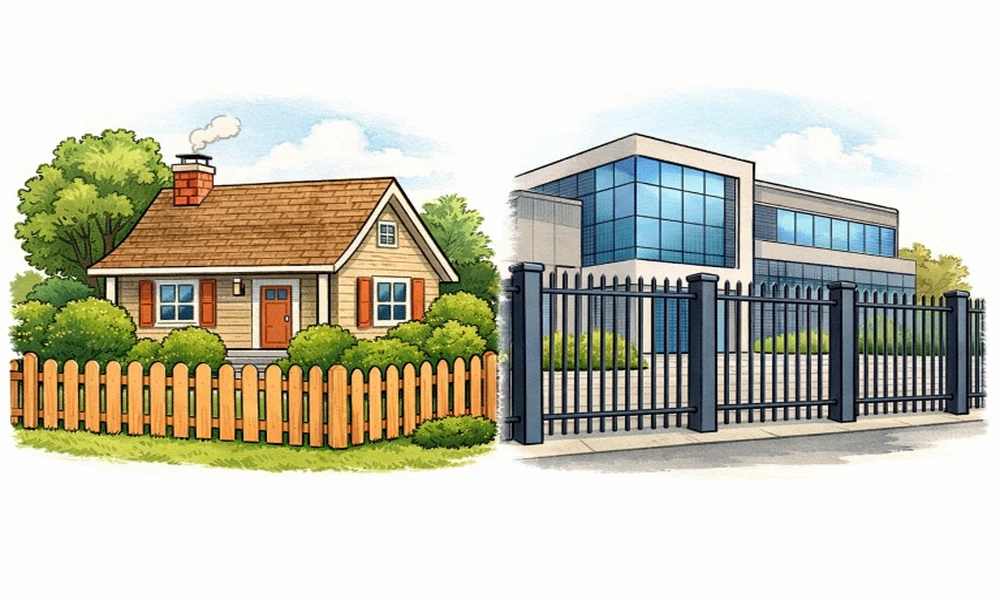
A Comprehensive Guide to Residential and Commercial Fencing OptionsKey Takeaways
- Fences for homes prioritize aesthetics and privacy, while commercial uses require durability and security.
- Materials range from wood and vinyl to steel and wire mesh, each offering unique benefits.
- Evaluating your property’s needs, budget, and maintenance capacity is critical for a successful fencing project.
Table of Contents
- Residential Fencing Options
- Commercial Fencing Options
- Factors to Consider When Choosing a Fence
- Conclusion
Installing a fence is a major decision that shapes both the look and security of your property. Whether you are a homeowner looking to enhance privacy or a business searching for a sturdy security solution, the right fencing material and design can make all the difference. When beginning your search for the ideal Fences, it is essential to weigh your goals and the available materials to find your best fit.
Fences serve multiple purposes, from delineating property lines to improving curb appeal and ensuring the safety of children and pets. For businesses, fences help restrict access, protect valuable assets, and present a professional appearance to clients and visitors. Selecting the appropriate type means considering function, style, and the level of maintenance you are willing to invest over time.
Modern fencing comes in a wide range of options, each with its strengths and considerations. While material and cost play significant roles, regulatory factors and local climate can also influence your decision. Understanding these elements upfront will save you time and resources, ensuring your project stands the test of time.
For businesses looking for tougher, more secure barriers, options like Commercial Fencing offer solutions tailored to higher security needs and larger perimeters.
Residential Fencing Options
For homeowners, fences go far beyond boundaries. They reflect personal taste, provide quiet retreats, and ensure families and pets remain safe. Here are some popular residential fencing styles:
Wood Fencing
Wood remains a traditional favorite for its timeless look and versatile capabilities. Styles range from classic picket fences to tall privacy barriers and rural-inspired split rail fencing. While wood brings warmth and a natural charm that blends with landscaping, it does demand regular maintenance, including treatments to combat rot and insects, as outlined by industry resources such as This Old House.
Vinyl Fencing
Vinyl offers a low-maintenance solution that resists weathering, pests, and decay. Available in designs mimicking wood and traditional styles, vinyl fencing never needs painting or staining and is ideal for homeowners seeking both durability and easy care.
Chain Link Fencing
Chain link provides an economical and rugged choice, particularly suited to containing pets or securing backyards. Though they offer less privacy, privacy slats can be added to create a more secluded yard while keeping costs lower than those of solid alternatives.
Aluminum Fencing
Lightweight and stylish, aluminum fencing delivers the attractiveness of wrought iron without the risks of corrosion. This option is a favorite for those who want to frame gardens, pools, or front yards with minimal upkeep and enduring beauty.
Commercial Fencing Options
Commercial properties have unique priorities, often placing greater emphasis on security, resilience, and compliance with safety regulations. Here are a few of the most commonly chosen commercial fencing solutions:
Chain Link Fencing
Favored across industrial sites, schools, and sports facilities, chain link is cost-efficient and strong. Businesses often enhance chain-link fences with privacy slats or barbed wire to enhance security and control visibility across large spaces.
Welded Wire Mesh Fencing
Welded wire mesh increases security by incorporating rigid, interlocked panels that are difficult to cut or breach. This type is popular for high-security locations, such as warehouses, electrical substations, or sensitive government property.
Ornamental Steel Fencing
Businesses seeking to blend security with sophistication may choose ornamental steel fencing. These durable barriers guard perimeters effectively while delivering an upscale, polished look suitable for office complexes or estate entrances.
Vinyl and Composite Fencing
Vinyl and composite materials are practical for organizations that want a dependable yet attractive option. These fences withstand harsh weather and require minimal maintenance, providing a clean, cohesive look year after year.
Factors to Consider When Choosing a Fence
The best fencing solution varies by property. Before installing any fence, consider several key factors to ensure a long-lasting and satisfying result:
- Purpose: Are you prioritizing privacy, security, appearance, or a mix of these?
- Maintenance: Will you have the time and resources to manage upkeep, or would a low-maintenance solution be preferable?
- Budget: Think beyond the initial installation cost. Factor in ongoing maintenance, repair, and replacement expenses.
- Local Regulations: Neighborhood associations and city codes may dictate fence height, style, and even materials. Checking these early can save inconvenience later. Resources like HGTV’s fencing guide can help you navigate options and restrictions more easily.
Conclusion
With so many styles and materials to choose from, the right fence for your property begins with a clear understanding of your priorities. By carefully assessing factors such as privacy, durability, regulatory requirements, and your preferred maintenance level, you can ensure your investment performs well and looks great for many years. This balanced approach to selection will help keep your property secure, attractive, and compliant with community standards, whether you are fencing a family backyard or a commercial lot.
