

Strategic Property Protection and Maintenance for Long-Term Value
Owning property, whether a family home or a vast commercial complex, represents a significant investment. However, the true value and longevity of that investment aren’t just in its initial purchase, but in how diligently it’s cared for over time. We understand that effective Property Protection and Maintenance isn’t merely about addressing issues as they arise; it’s a strategic imperative that safeguards your assets, ensures their structural integrity, and ultimately maximizes their long-term value.
Neglecting regular upkeep can lead to costly repairs, diminished appeal, and even safety hazards, impacting everything from tenant satisfaction to potential resale value. We believe that a proactive approach is key to transforming maintenance from a reactive expense into a valuable investment.
In this comprehensive guide, we’ll explore the multifaceted world of property care. We’ll delve into the various types of maintenance, the roles involved, and how a thorough understanding of your property’s health-perhaps obtained through a professional Guardian’s property condition assessment-forms the bedrock of an effective strategy. We’ll also examine the financial benefits of proactive measures, the crucial role of seasonal planning and reliable vendors, and how modern technology is revolutionizing property management. Furthermore, we’ll navigate the essential legal and compliance requirements, and discuss strategies for effective damage recovery, ensuring your property remains a secure and thriving asset for years to come.
Effective property protection and maintenance is a continuous cycle of foresight, action, and adaptation. It moves beyond simply fixing what’s broken to strategically preserving and enhancing the value of your assets. This proactive stance is particularly crucial for multi-family dwellings, commercial hubs, and any property where occupant safety and satisfaction are paramount.
At its core, property maintenance encompasses a range of activities designed to keep buildings and their surrounding areas in optimal condition. This includes everything from routine cleaning and safety checks to complex repairs and system upgrades. The “why” behind this is clear: a well-maintained property is safer, more efficient, more attractive to tenants and buyers, and ultimately, more profitable.
Consider a commercial building in Melbourne’s bustling CBD or a residential complex in Werribee. The constant wear and tear from daily use, coupled with environmental factors, necessitate ongoing attention. Without it, minor issues can quickly escalate into significant structural problems or system failures.
We categorize property maintenance into several key types:
- Preventive Maintenance: This involves scheduled, routine tasks designed to prevent equipment failure and extend asset lifespan. Examples include annual HVAC tune-ups, regular roof inspections, and flushing water heaters. This is the cornerstone of a cost-effective strategy.
- Routine Maintenance: These are everyday tasks that keep a property clean, functional, and aesthetically pleasing. Think landscaping, common area cleaning, changing light bulbs, and minor repairs.
- Reactive (or Corrective) Maintenance: This is the “fix-it-when-it-breaks” approach. While sometimes unavoidable for unexpected failures, relying solely on reactive maintenance is often the most expensive and disruptive strategy.
- Predictive Maintenance: Leveraging technology like sensors and data analytics, this type of maintenance anticipates potential failures before they occur, allowing for repairs to be scheduled precisely when needed, minimizing downtime and costs.
Who is involved in orchestrating these efforts? A dedicated team often includes:
- Property Managers: The central figures, overseeing budgets, tenant relations, vendor contracts, and overall maintenance strategy.
- Maintenance Technicians: Skilled professionals who handle a wide range of repairs, from plumbing and electrical issues to HVAC servicing. Certifications like the Certificate for Apartment Maintenance Technicians (CAMT) are highly recommended, equipping them with expertise in work order processing, HVAC repair, and mechanical services.
- Janitors/Cleaners: Responsible for the cleanliness and hygiene of common areas and individual units.
- Specialized Contractors: External experts brought in for complex tasks like roofing, major electrical work, or specialized HVAC repairs.
For properties like apartment complexes, hotels, and retirement homes, the coordination of these roles and maintenance types is critical. A tenant reporting a ceiling leak in a multi-family asset, for instance, triggers a workflow from the property manager to a technician for a temporary fix, then to a plumber for a permanent solution. This seamless process, supported by clear communication, is vital for tenant satisfaction and asset protection.
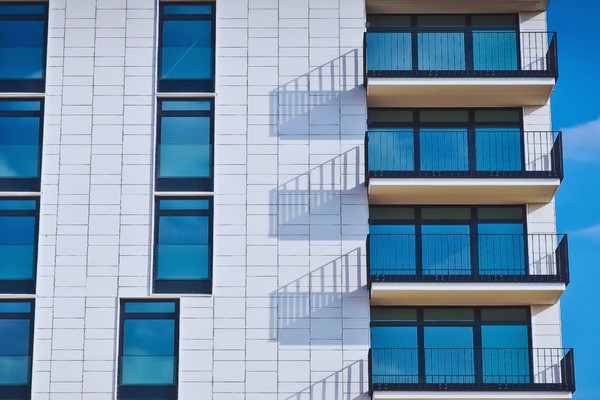
Caption: A well-maintained commercial building exterior in Melbourne showcases the immediate visual impact of effective property protection and maintenance.
The Financial Impact of Proactive Property Protection and Maintenance
The choice between proactive and reactive maintenance isn’t just about convenience; it’s a critical financial decision that directly impacts asset valuation and your bottom line. The statistics unequivocally support a preventive approach.
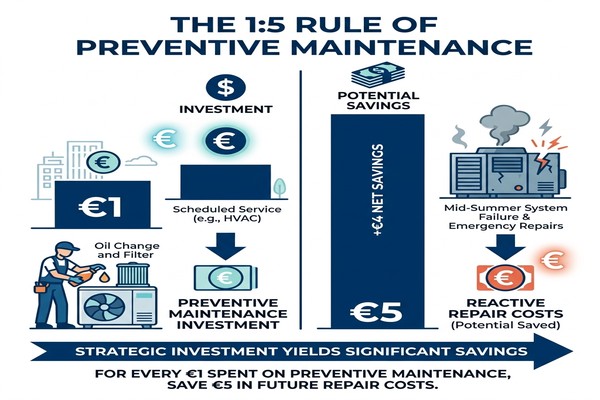
Consider the “1:5 Rule”: Every $1 spent on preventive maintenance saves $5 in future repair costs. This isn’t just a theoretical concept; it’s a proven financial advantage. For example, a scheduled HVAC service might cost a few hundred dollars, but a mid-summer system failure could mean thousands in emergency repairs, not to mention irritated tenants and higher utility bills. Our research shows that properties with proactive maintenance strategies see a 38% reduction in HVAC-related service requests when simple preventive measures like air filter delivery are implemented.
Furthermore, proactive maintenance and timely repairs can add an average of 40 years to the lifespan of commercial buildings. This significantly extends the asset’s productive life, deferring major capital expenditure for replacements.
Budgeting for maintenance is also a strategic exercise. A common guideline is the “1% rule,” which suggests budgeting 1-2% of the property’s value annually for upkeep. In regions like Florida, or for older properties and those with features like pools, this might increase to 1.5-3%. For multi-family properties, a broader rule suggests allocating 30-35% of gross rental income to all operating expenses, including maintenance. These figures highlight that maintenance is not a discretionary expense but a necessary investment.
The return on investment (ROI) from preventive maintenance extends beyond just direct repair cost savings. It significantly impacts tenant satisfaction and retention. A staggering 62% of tenants state that property maintenance is the most crucial factor influencing their decision to renew a lease. Moreover, 78% of prospective residents say online reviews about maintenance responsiveness are their top factor when choosing where to live. High tenant turnover can be incredibly costly, with turnover costs typically ranging from $3,000-$5,000+ per occurrence due to maintenance-related tenant dissatisfaction. By contrast, a well-maintained property fosters loyalty, reduces vacancies, and attracts higher-quality tenants.
To truly understand the health of your investment and plan effectively, a professional property condition assessment is invaluable. A comprehensive assessment, such as a Guardian’s property condition assessment, provides a detailed overview of the property’s current state, identifying potential issues before they become critical and informing your long-term maintenance strategy. This expert evaluation can pinpoint areas requiring immediate attention and help prioritize future investments, ensuring your capital expenditure is targeted for maximum impact.
Maintenance Strategy Annual Maintenance Cost (Estimated) Annual Repair Cost (Estimated) Total Annual Cost (Estimated) Reactive €50,000 €150,000 €200,000 Preventive €80,000 €40,000 €120,000 Table: Illustrative comparison of annual costs for reactive vs. preventive maintenance strategies. Note: The € symbol is used as per source data, but the principle applies universally.
Caption: This infographic illustrates the significant cost savings achieved by investing in preventive maintenance, adhering to the widely recognized 1:5 Rule.
Essential Seasonal Checklists and Vendor Management
The changing seasons in Melbourne, from the hot summers to the chilly, damp winters, bring distinct maintenance challenges and opportunities. Developing and adhering to seasonal checklists is a best practice for any property manager or owner. These checklists ensure that predictable risks are addressed proactively, preventing costly emergencies.
Spring Maintenance (March-May 2026): Focus on recovery from winter and preparation for warmer weather.
- Exterior Inspection: Check roofs for missing shingles or flashing damage, clean gutters and downspouts thoroughly (especially important in areas prone to heavy rainfall like Craigieburn), inspect foundations for cracks, and trim vegetation away from siding and roofing.
- HVAC System: Schedule professional tune-ups for air conditioning units to ensure efficient operation during summer. Replace air filters.
- Landscaping & Drainage: Clear debris from drains, ensure proper grading away from foundations, and prepare irrigation systems.
Summer Maintenance (June-August 2026): Focus on cooling efficiency, exterior protection, and pest control.
- Cooling Systems: Monitor AC performance, keep units clear of debris, and ensure proper ventilation.
- Exterior Surfaces: Reseal decks and fences, check paint for peeling, and inspect windows and doors for drafts.
- Safety: Test smoke and carbon monoxide detectors, and check outdoor lighting. Pest control becomes more critical.
Fall Maintenance (September-November 2026): Prepare for colder, wetter weather.
- Roof & Gutters: A final, thorough cleaning of gutters and downspouts before winter. Inspect the roof for any potential leaks.
- Heating System: Schedule professional furnace or boiler tune-ups. Replace air filters.
- Weatherproofing: Install weatherstripping around doors and windows, seal cracks, and ensure proper insulation.
- Plumbing: Disconnect garden hoses and drain exterior faucets to prevent freezing.
Winter Maintenance (December-February 2027): Focus on protection against cold, dampness, and rapid response to issues.
- Plumbing Protection: Insulate exposed pipes, especially in colder areas like Balwyn or Carlton.
- Roof & Ice Management: Monitor snow buildup on roofs and address ice dams if they form.
- Indoor Air Quality: Ensure proper ventilation to prevent condensation and mould growth, a common issue in Melbourne’s humid winters.
Beyond the checklist, a robust vendor network is indispensable. Property managers in areas like Werribee or Dandenong need access to reliable, licensed, and insured contractors for various services. Building these relationships takes time and trust. Key strategies include:
- Vetting: Always verify licenses, insurance, and references.
- Service Contracts: Consider annual service contracts for critical systems like HVAC, plumbing, and electrical to ensure priority service and often better pricing.
- Prioritization: Establish clear guidelines for prioritizing repairs (e.g., emergency, urgent, routine) and communicate these to vendors and tenants.
- Documentation: Maintain meticulous records of all maintenance work performed, including dates, costs, and contractor details.
The benefits of this structured approach are clear: reduced emergency calls, extended equipment life, improved tenant satisfaction, and significant cost savings. It transforms maintenance from a burden into a predictable, manageable, and highly effective component of property management.
Leveraging Technology for Property Protection and Maintenance
In April 2026, technology has profoundly transformed property management, making maintenance more efficient, proactive, and data-driven. Gone are the days of manual spreadsheets and reactive phone calls. Modern property protection and maintenance strategies increasingly rely on advanced tools to streamline operations and enhance decision-making.
At the forefront are Computerized Maintenance Management Systems (CMMS) software. These platforms centralize all maintenance operations, from receiving work orders and scheduling tasks to tracking inventory and managing vendor contracts. They enable property managers to:
- Automate Workflows: Automatically dispatch technicians for routine tasks or assign emergency repairs based on predefined rules.
- Track Performance: Monitor key performance indicators (KPIs) such as average response times, work order backlog, and cost per repair.
- Improve Communication: Provide tenants with portals to submit requests and receive real-time updates, fostering transparency and satisfaction.
Beyond CMMS, the integration of Internet of Things (IoT) sensors and 3D digital twins is revolutionizing predictive maintenance.
- IoT Sensors: Strategically placed sensors can monitor critical building systems in real-time. For instance, temperature sensors in HVAC systems can detect inefficiencies, leak detectors can alert to plumbing issues before major damage occurs, and smart meters can track energy consumption. This constant stream of data enables predictive metrics, allowing maintenance teams to anticipate failures and schedule interventions proactively.
- 3D Digital Twins: These are virtual replicas of physical properties, created using advanced scanning technology. A 3D digital twin allows property managers to conduct remote walkthroughs, annotate areas needing attention, and share precise information with contractors. This creates an early-warning system, enabling maintenance planning with unprecedented accuracy. For example, issues like a flickering light or a minor crack, if visually documented in the digital twin, can be monitored and addressed before escalating.
Other technological advancements include:
- Mobile Inspections: Technicians can use tablets or smartphones to conduct inspections, capture photos and notes, and update work orders directly from the field, even offline.
- Data Analysis: Advanced analytics tools can identify trends in maintenance requests, predict equipment lifespan, and optimize maintenance schedules for maximum efficiency.
- Smart Building Integration: Connecting various building systems (HVAC, lighting, security) allows for centralized control and automated responses, further enhancing efficiency and protection.
By embracing these technologies, property managers can shift from a reactive, cost-intensive approach to a proactive, data-informed strategy. This not only reduces operational costs and extends asset life but also significantly improves tenant experience and ensures the long-term value of the property.
Navigating Legal Compliance and Damage Recovery in Melbourne
Owning and managing property in Melbourne, whether residential or commercial, comes with a critical set of legal obligations and compliance requirements. These are designed to ensure safety, habitability, and fair dealing, protecting both property owners and occupants. Understanding and adhering to these regulations is not just good practice; it’s a legal imperative that safeguards your investment and prevents costly disputes or penalties.
The International Property Maintenance Code (IPMC), often adopted or adapted by local jurisdictions, sets minimum standards for existing buildings regarding their structure, plumbing, mechanical, electrical, and fire safety systems. In Victoria, Australia, these standards are often reflected in regulations enforced by bodies like the Victorian Building Authority (VBA) and local councils, which oversee building codes and compliance. Key areas of compliance include:
- Habitability Standards: Ensuring properties are safe, clean, and fit for occupation, free from hazards like mould, pests, or structural defects.
- Safety Compliance: Adhering to fire safety regulations (e.g., smoke detectors, egress routes), electrical safety standards, and general building safety.
- Planning and Building Permits: Ensuring any significant renovation, construction, or demolition work has the necessary permits and approvals.
- Protection Works Notices: A legal requirement in Victoria under the Building Act 1993, which mandates property owners to serve notice to adjoining property owners if proposed building work might affect their land or buildings.
Industry experts, including those with extensive experience on boards like the Master Builders Victoria (MBV), consistently emphasize the importance of rigorous compliance and proactive risk management. For instance, a property manager like Angela Perry, known for her expertise in property law and development, would stress that diligent adherence to these regulations is fundamental to mitigating legal risks and ensuring the long-term viability of a property.
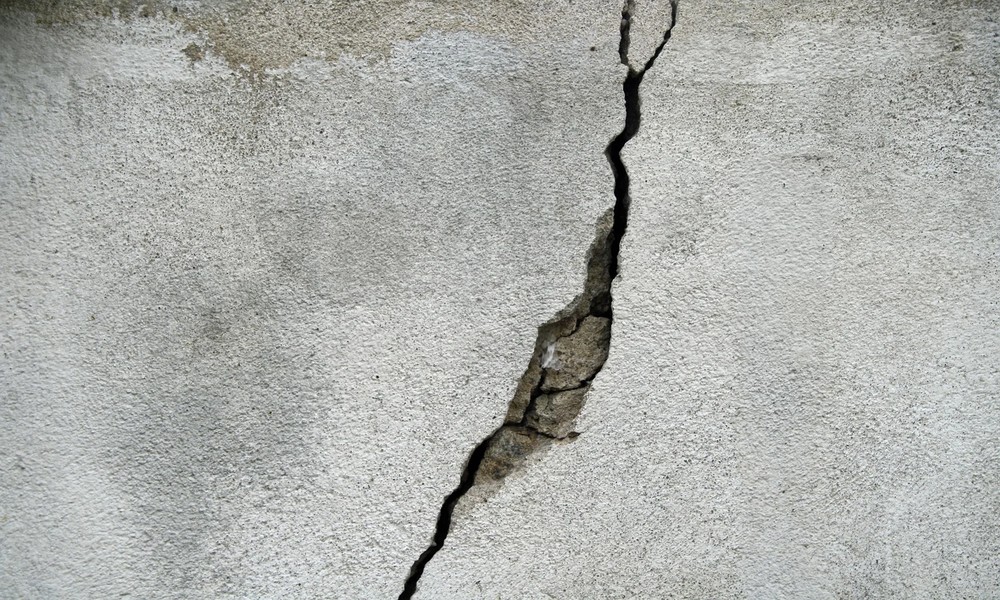
Caption: A building inspector in Melbourne meticulously identifies structural cracks, a critical step in assessing property integrity and ensuring compliance with local building codes.
Identifying Structural Defects and Safety Risks
A property’s structural integrity is its backbone. Any compromise can lead to significant safety risks and massive repair bills. Identifying structural defects and safety hazards early is paramount, and this is where professional building inspections become invaluable.
Common issues we frequently encounter in Melbourne properties include:
- Foundation Movement: Cracks in walls, uneven floors, or doors/windows that stick can all be signs of foundation issues, often exacerbated by reactive clay soils or poor drainage.
- Rising Damp: A prevalent problem in older Melbourne homes, rising damp occurs when moisture from the ground travels up through masonry, leading to peeling paint, plaster damage, and a musty smell. This creates an environment conducive to mould growth.
- Mould Remediation: Mould thrives in damp, poorly ventilated areas and can pose serious health risks. Identifying and addressing the source of moisture is key to effective remediation.
- Termite Barriers: Given the prevalence of termites in many Australian regions, ensuring effective termite barriers are in place and regularly inspected is crucial to prevent devastating structural damage.
- Moisture Detection: Advanced moisture detection techniques are used to pinpoint hidden leaks, water ingress, and areas of high humidity that could lead to timber rot or other structural damage.
A comprehensive Building & Pest inspection, particularly for properties in growth corridors like Craigieburn, is essential. These inspections go beyond surface-level checks to assess the structural integrity, identify pest infestations, and uncover hidden defects. For example, a pre-purchase inspection, which typically costs between $650 to $990 inc. GST and takes 2-4 hours, can be a small investment compared to the potential cost of major repairs. Imagine paying $800 for an inspection that uncovers a $20,000 foundation fix – that’s smart protection.
Exterior maintenance also plays a vital role in protecting a property’s structural health. Ensuring that elements like windows, cladding, and roofing are in good condition prevents water ingress, which is a leading cause of internal damage. For example, maintaining your property’s exterior elements, including windows and doors, is crucial for preventing moisture penetration and maintaining thermal efficiency. Regular checks and timely repairs of these components are just as important as structural inspections. Companies specializing in VECO exterior maintenance can help ensure these critical barriers against the elements remain robust.
Caption: Before and after images of a structural crack repair in a residential property in Melbourne, highlighting the importance of timely intervention to prevent further damage.
Dilapidation Reports and Protection Works Notices
When construction, demolition, or excavation work is planned near your property, a dilapidation report becomes an indispensable tool for protection. These reports, also known as property condition reports, meticulously document the existing state of a property before any nearby works commence.
The purpose is clear: to establish a baseline. If new damage appears during or after the construction, the dilapidation report provides concrete, verifiable evidence to determine whether the damage is new or pre-existing. This is crucial for:
- Legal Evidence: In the event of a dispute, the report serves as irrefutable proof, protecting property owners from damage caused by neighbouring construction and shielding builders from false claims.
- Dispute Resolution: By providing clear documentation, dilapidation reports can significantly expedite the resolution of disputes, often preventing lengthy and expensive legal battles.
- Risk Management: For property owners, it identifies potential vulnerabilities; for developers, it manages liability.
Dilapidation reports typically include high-resolution photographs, detailed descriptions of existing cracks, settlement, water damage, and other forms of wear and tear, often annotated with measurements and diagrams. For properties in Melbourne, particularly older buildings in areas like Fitzroy or Brunswick that are often adjacent to new developments, these reports are highly recommended. Many councils also require them for significant construction projects.
In Victoria, the Protection Works Notice is another critical legal mechanism. If proposed building work might affect an adjoining property, the owner undertaking the work must serve a Protection Works Notice to the affected neighbour. This notice outlines the proposed work and how it might impact the adjoining property, giving the neighbour the opportunity to request a dilapidation report at the cost of the owner undertaking the works.
The cost of a dilapidation report varies based on property size and complexity, typically ranging from $600-$900 for small dwellings and $1,000+ for larger ones. While it might seem like an additional expense, it’s an investment in peace of mind and legal protection. Verbal-only assessments are difficult to rely on in disputes (e.g., at VCAT or in court) due to the lack of documented evidence and professional indemnity insurance coverage. Comprehensive, written reports with photographic evidence are essential for any legal recourse.
Caption: A detailed diagram illustrating common patterns of cracking in a building foundation in Melbourne, indicative of structural movement and potential issues.
Insurance Claims and Professional Damage Recovery
Even with the most diligent preventive maintenance, unforeseen events like severe storms, burst pipes, or accidental damage can occur. When they do, navigating insurance claims and orchestrating damage recovery becomes a critical aspect of property protection.
Deferred maintenance significantly impacts insurance claims. Insurance policies typically require properties to be reasonably maintained, and damage caused by long-standing neglect (e.g., a roof leak ignored for months) may be denied coverage. This highlights the importance of regular upkeep in liability prevention and maintaining favourable insurance premiums.
When damage strikes, prompt and professional action is key:
- Emergency Repairs: Address immediate hazards like water intrusion or electrical issues to prevent further damage and ensure safety. For example, a Bay Area HVAC replacement typically costs $8,000-$15,000, which preventive maintenance can extend by 5-10 years. An emergency replacement due to neglect will be more expensive and disruptive.
- Documentation: Meticulously document all damage with photos and videos before any repairs begin. This evidence is crucial for your insurance claim.
- Professional Advocacy: Engaging experts in property claim recovery can significantly streamline the process. They understand the intricacies of insurance policies, can accurately assess damages, and negotiate on your behalf to ensure you receive a fair settlement. Services like Property claim recovery can be invaluable in these complex situations, helping property owners navigate the often-daunting process of restoring their assets.
Understanding the risks and costs of deferred or neglected maintenance is vital. A small, ignored roof leak can lead to thousands in water damage, mould growth, and structural rot. An annual median homeowner maintenance spending exceeds $3,000, with average annual costs surpassing $6,400 per household. The Hippo Housepower Home Maintenance Report found that 83% of homeowners faced unexpected repairs within a 12-month period, and 46% experienced damage linked to skipped seasonal tasks. These statistics underscore the financial peril of neglecting maintenance.
Effective damage recovery is about more than just fixing what’s broken; it’s about comprehensive asset restoration, minimizing disruption, and protecting your financial interests. By combining proactive maintenance with a clear understanding of legal compliance and a strategic approach to damage recovery, property owners can ensure their investments remain secure and valuable for the long haul.
Caption: This infographic visually outlines the escalating risks and costs associated with deferred maintenance, from minor issues to significant financial burdens and property degradation.
