


The Role of Outdoor Living and Landscape Design in Modern Homes
Modern homes are increasingly blurring the lines between indoor and outdoor living. Today, a well-designed landscape is no longer just an aesthetic enhancement; it’s a vital component that significantly contributes to a property’s overall value and the quality of life it offers. Beyond curb appeal, these spaces play a crucial role in supporting local ecosystems and providing essential environmental services.
Thoughtful landscape design, especially when incorporating eco-friendly practices, can lead to numerous benefits. It supports biodiversity by creating habitats for pollinators and other wildlife, fostering a healthier local environment. It contributes to ecosystem services such as thermal regulation, helping to cool urban areas and reduce energy consumption. Healthy soil, nurtured by sustainable practices, acts as a carbon sink and improves water infiltration, reducing runoff and conserving precious resources. By creating and enhancing these green spaces, we contribute to urban cooling, improve air quality, and establish vital habitats, turning our backyards into mini-ecosystems that thrive in harmony with nature.
Sustainable Foundations: Choosing Eco-Friendly Mulch Options
At the heart of any sustainable landscape is the soil, and few things impact soil health as profoundly as mulch. Mulch acts as a protective blanket, offering a myriad of benefits from moisture retention and weed suppression to temperature regulation and soil enrichment. However, the choice of mulch material carries significant environmental implications. An eco-friendly approach means selecting materials that are renewable, non-toxic, and contribute positively to the soil’s long-term vitality and the broader ecosystem.
When we consider the impact of different mulch types, a clear distinction emerges between organic and synthetic options. Organic mulches, derived from natural sources, decompose over time, enriching the soil with organic matter and nutrients. Synthetic mulches, while durable, often lack these soil-building properties and can introduce environmental concerns.
Here’s a comparison of their general impacts:
Feature Organic Mulch (e.g., wood chips, leaves) Synthetic Mulch (e.g., rubber, plastic) Moisture Retention Excellent, reduces evaporation by up to 50%. Good, but can trap excessive heat. Weed Suppression Very effective, blocks sunlight and smothers weeds. Highly effective barrier. Soil Structure Improves as it decomposes, adds organic matter. No improvement; can compact soil underneath. Nutrient Cycling Releases nutrients into soil as it breaks down. No nutrient contribution. Decomposition Rates Varies (1-2 years typically), replenishes soil. Extremely slow (centuries), persists in environment. Carbon Footprint Often low, especially if locally sourced or recycled. Higher, due to manufacturing and non-biodegradability. Erosion Control Excellent, holds soil in place. Good, but can be displaced by heavy rain or wind. Sustainable Sourcing Renewable, often a byproduct of other industries. Recycled materials (tires) but with potential chemical leaching. Environmental Impact Generally positive, supports soil life and biodiversity. Potential for chemical leaching, microplastic pollution, heat retention. Choosing eco-friendly mulch means prioritizing materials that align with sustainable sourcing and contribute positively to soil health and local biodiversity. For those seeking quality materials and expert advice on sustainable landscaping solutions, exploring options like those offered by Randall’s quality eco-mulch can be a great starting point.
Enhancing Outdoor Living and Landscape Design with Organic Materials
Organic mulches are the champions of eco-friendly gardening. They are derived from natural sources and offer a wealth of benefits, from nourishing the soil to suppressing weeds. Let’s explore some of the most popular and effective options:
- Wood Chips and Bark Mulch: These are classic choices, widely available and effective. Wood chips, especially arborist chips (which include leaves, twigs, and bark), decompose slowly, providing long-lasting weed suppression and soil temperature moderation. As they break down, they release nutrients and improve soil structure. Bark mulches, often from pine or cedar, offer similar benefits and can add an attractive, uniform look to garden beds. It’s crucial to ensure these are from untreated wood to avoid introducing harmful chemicals.
- Pine Straw (Pine Needles): Particularly popular in the southeastern U.S., pine straw is a byproduct of pine tree harvesting, making it a highly sustainable option. It’s lightweight, allows water to penetrate easily, and breaks down slowly, adding organic matter to the soil. Pine needles have a slightly acidic pH, which is beneficial for acid-loving plants like azaleas, rhododendrons, and blueberries. The statistics show that pine straw is considered one of the most environmentally friendly mulches because it is a natural by-product of pine tree harvesting and is 100% biodegradable.
- Cocoa Husks: These aromatic, dark-brown husks are a byproduct of chocolate production. They offer a rich color and a pleasant chocolatey scent (though some find it too strong initially). Cocoa husks are excellent for moisture retention and weed control, and they break down to add nutrients to the soil. However, they contain theobromine, which is toxic to pets, so caution is advised if you have dogs.
- Nut Shells: Shells from peanuts, pecans, or other nuts can be used as mulch. They are durable, long-lasting, and can add an interesting texture to garden beds. They decompose slowly, gradually releasing nutrients. Peanut shells, in particular, can be treated with cottonseed oil to extend their durability.
- Compost: Often hailed as “black gold,” compost is an ideal mulch. It’s rich in nutrients, improves soil structure, enhances water retention, and introduces beneficial microorganisms. Using compost as mulch also reduces the need for chemical fertilizers. Compost mulch can increase soil organic matter by up to 5% in a single season, improving water retention and plant health. We can make our own compost from kitchen scraps and yard waste, turning waste into a valuable resource.
- Shredded Leaves (Leaf Litter): One of the easiest and most cost-effective mulches available, especially in autumn. Shredded leaves enrich the soil with organic matter, improve drainage, and provide habitat for beneficial insects. Using shredded leaves as mulch can provide up to 80% of the nutrients needed for healthy soil, while also reducing landfill waste. They are particularly beneficial around trees and shrubs.
- Straw and Hay: Excellent for vegetable gardens, straw (the dry stalks of cereal plants) is lightweight, clean, and provides good weed suppression and moisture retention. It’s also easy to apply and remove. Hay, while similar, can contain weed seeds, so opt for “weed-free” straw if possible.
When selecting organic mulches, consider the plant’s needs (e.g., nitrogen levels, soil pH preferences), your aesthetic goals, and local availability. Many of these options are byproducts, making them inherently sustainable choices.
Here’s a list of top-rated organic mulches for vegetable gardens:
- Straw (weed-free)
- Compost
- Shredded Leaves
- Grass Clippings (untreated)
- Newspaper/Cardboard (covered with another organic layer)
Creative Alternatives for Unique Outdoor Living and Landscape Design
Beyond the traditional organic mulches, several creative and often overlooked options can serve as eco-friendly solutions, offering unique aesthetic and practical benefits.
- Newspaper and Cardboard: These readily available materials are excellent for weed suppression. Layering several sheets of black-and-white newspaper or overlapping cardboard pieces creates an effective barrier against weeds. We always wet them thoroughly after placement to keep them from blowing away, then cover them with a thin layer of another organic mulch (like wood chips or compost) for aesthetics and to hold them down. This method also helps to improve soil structure as they break down.
- Coconut Coir: A fibrous material extracted from coconut husks, coir is a sustainable byproduct of the coconut industry. It’s highly absorbent, excellent at retaining moisture, and breaks down slowly, adding organic matter to the soil. It’s lightweight and less prone to floating than some other mulches.
- Tumbled Glass: While not organic, tumbled glass is an exceptional recycled material that can be used as a decorative, permanent ground cover. Using recycled glass products keeps them out of landfills. It’s aesthetically pleasing, comes in various colors, and provides excellent weed suppression without decomposing. It’s important to use tumbled glass to ensure there are no sharp edges. This is a great option for areas where you want a permanent, low-maintenance, and visually striking solution, such as around hardscaping or in dry garden beds.
These creative alternatives demonstrate that eco-friendly mulching extends beyond conventional materials, embracing recycled resources and innovative approaches to landscape design.
Living Mulches and Groundcovers as Functional Alternatives
Sometimes, the best mulch isn’t a material at all, but a living plant. Living mulches and groundcovers offer a dynamic, self-sustaining alternative to traditional mulching, providing continuous benefits while enhancing the aesthetic appeal of your outdoor living spaces.
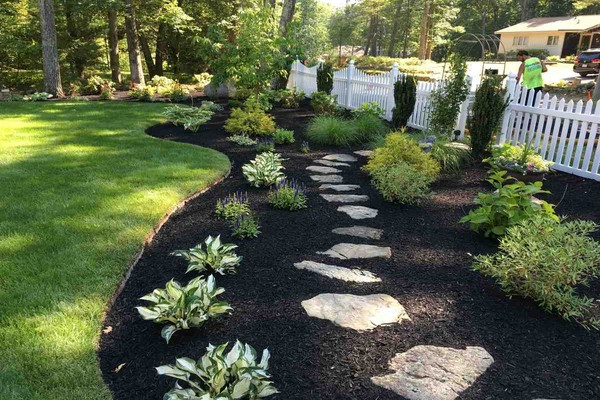
Often referred to as “green mulch,” these plants spread to cover the soil, performing many of the same functions as organic mulches. They suppress weeds by outcompeting them for resources and light, reduce soil erosion, and regulate soil temperature. Beyond these, living mulches offer unique ecological advantages:
- Nitrogen Fixation: Leguminous groundcovers like clover can fix atmospheric nitrogen into the soil, naturally fertilizing nearby plants and reducing the need for synthetic nitrogen fertilizers.
- Pollinator Attraction: Many flowering groundcovers, such as creeping thyme or various native species, attract bees, butterflies, and other beneficial insects, supporting local biodiversity.
- Soil Stabilization: Their root systems bind the soil, preventing erosion, especially on slopes.
- Organic Matter Contribution: As they grow and eventually die back, they contribute organic matter to the soil, improving its structure and fertility.
- Maintenance Reduction: Once established, living mulches require less frequent reapplication than traditional mulches, leading to reduced long-term maintenance.
Popular choices for living mulches include:
- Creeping Thyme: A fragrant, low-growing herb that tolerates foot traffic and thrives in sunny, well-drained areas.
- Clover: Especially white or crimson clover, which are excellent nitrogen fixers and can be mowed.
- Sedum: Drought-tolerant succulents that form dense mats.
- Native Groundcovers: Selecting species native to your region ensures they are well-adapted to the local climate and support local wildlife.
Living mulches can create beautiful “living carpets” in garden beds, between stepping stones, or under trees, adding texture, color, and ecological value to your landscape. They are a testament to how functional design can seamlessly integrate with environmental stewardship.
Best Practices for Long-Term Landscape Health and Maintenance
Applying eco-friendly mulch correctly is just as important as choosing the right type. Improper application can negate benefits or even harm plants. Adhering to best practices ensures your mulch delivers maximum benefit for long-term landscape health.
- Application Depth: For most organic mulches, a 2-4 inch layer is ideal. A 2-3 inch layer of organic mulch can reduce the amount of water needed for plants by up to 50%. This depth is sufficient to suppress weeds (a thick layer of wood chips can suppress up to 90% of weed growth) and retain moisture without suffocating the soil or plant roots. For trees, maintain a 2-4 inch depth, but keep the mulch 2-4 inches away from the trunk.
- Avoid Mulch Volcanoes: A common mistake is piling mulch high against tree trunks, creating “mulch volcanoes.” This practice traps moisture against the bark, leading to rot, fungal diseases, and pest infestations. It also encourages roots to grow into the mulch rather than the soil, making them vulnerable to drought. Always ensure the trunk flare (where the trunk widens at the base) is visible.
- Seasonal Timing: The best time to apply mulch is in spring, after the soil has warmed but before weeds emerge, or in fall after plants have gone dormant. Spring mulching helps retain moisture through the summer, while fall mulching insulates roots from winter cold.
- DIY Sourcing: Many eco-friendly mulches can be sourced or even made at home. Collecting fallen leaves in autumn, composting kitchen and yard waste, or using grass clippings (untreated) are excellent ways to create your own sustainable mulch. Local arborists often have wood chips available, sometimes for free or at a low cost.
- Internet-Based Cost Data: While professional installation costs vary significantly by region and material, general internet data suggests average costs for mulch materials can range from $40 to $160 per cubic yard, depending on the type, quality, and delivery fees. Always research local suppliers for the most accurate pricing.
Common Mulching Mistakes to Avoid:
- Too much mulch: Leads to mulch volcanoes, root rot, and pest issues.
- Too little mulch: Ineffective for weed suppression and moisture retention.
- Using treated or dyed wood: Can introduce harmful chemicals.
- Mulching too early: Can keep soil cold in spring, delaying plant growth.
- Not replenishing organic mulch: As organic mulches decompose, their benefits diminish.
Factors Influencing Material Selection and Cost
Choosing the best eco-friendly mulch involves weighing several practical considerations:
- Climate Suitability: In hot climates, lighter-colored mulches or those that don’t absorb excessive heat (like straw or pine needles) may be preferred. In colder regions, a denser mulch like wood chips can provide better insulation.
- Plant Compatibility: Consider the pH impact. Pine needles are slightly acidic, beneficial for acid-loving plants. Some mulches, like fresh wood chips, can temporarily deplete nitrogen from the soil as they decompose, which might need to be compensated for with additional nitrogen fertilizer for nitrogen-hungry plants.
- Local Availability: Sourcing mulch locally significantly reduces its carbon footprint and often lowers costs. Check with local nurseries, arborists, or municipal composting facilities.
- Average Material Costs: Costs vary widely. DIY options like shredded leaves or grass clippings are virtually free. Bulk wood chips can be inexpensive, while specialty mulches like cocoa husks or coconut coir tend to be pricier.
- Internet Data Pricing: Online searches can provide a general idea of mulch costs. However, pricing for professional installation varies significantly based on region and material; internet data suggests average costs range from $40 to $160 per cubic yard depending on quality and delivery fees. These are internet averages and not actual costs for Randall Landscaping.
By considering these factors, we can make informed decisions that align with both our gardening goals and our commitment to environmental stewardship.
Frequently Asked Questions about Sustainable Landscaping
We often receive questions about the best ways to approach sustainable landscaping, especially concerning mulch. Here, we address some of the most common inquiries to help you make environmentally conscious choices.
What are the environmental risks of using synthetic or dyed mulches?
While some synthetic mulches, like rubber, are made from recycled materials, they often come with significant environmental drawbacks. Rubber mulch, derived from old tires, can leach heavy metals (like zinc, which is toxic to plants at high levels) and other chemicals into the soil. This can lead to high zinc levels that are toxic to plants, as well as contaminate groundwater. Synthetic mulches like plastic and rubber can take centuries to decompose, while organic mulches break down within 1-2 years, enriching the soil. They are also non-biodegradable, contributing to waste streams and microplastic pollution. Furthermore, rubber mulch can pose a fire hazard, burning at higher temperatures and releasing toxic fumes. Its dark color also absorbs and retains excessive heat, which can stress plant roots.
Dyed mulches, while often made from wood, can also raise concerns. The primary issue is often the source of the wood itself. If the wood is from construction debris or treated lumber, it could contain harmful chemicals like chromated copper arsenate (CCA), a wood preservative that was banned for residential use in 2003. While the dyes themselves (usually carbon-based or iron oxide) are generally considered non-toxic, verifying the wood source is crucial to avoid unintended soil contamination.
How often should eco-friendly mulch be reapplied to maintain benefits?
The reapplication frequency for eco-friendly mulch largely depends on its decomposition rate and the desired aesthetic or functional benefits. Organic mulches, by their nature, break down over time, enriching the soil. This process means they need to be replenished periodically.
Generally, most organic mulches (like wood chips, bark, leaves, and straw) will need an annual top-off. A 1-2 inch layer applied each spring or fall is usually sufficient to maintain the desired 2-4 inch depth. Mulches like compost or grass clippings, which decompose more rapidly, might require more frequent, lighter applications throughout the growing season to continuously supply nutrients and suppress weeds. Monitoring the mulch layer’s thickness and the soil’s moisture levels will help determine the optimal reapplication schedule for your specific garden. Regular replenishment ensures continuous nutrient enrichment of the soil and effective weed suppression.
How does organic mulch contribute to water conservation in the garden?
Organic mulch is a powerful tool for water conservation, especially in regions prone to drought or with water restrictions. Its primary contribution comes from significantly reducing water evaporation from the soil surface.
Here’s how it works:
- Evaporation Reduction: A layer of mulch acts as a physical barrier, shielding the soil from direct sunlight and wind. This dramatically slows down the rate at which water evaporates from the soil, meaning plants require less frequent watering. As a statistic shows, a 2-3 inch layer of organic mulch can reduce the amount of water needed for plants by up to 50%.
- Soil Cooling: By insulating the soil, mulch helps keep soil temperatures cooler, especially during hot summer months. Cooler soil temperatures further reduce evaporation and create a more hospitable environment for plant roots.
- Infiltration Improvement: Organic mulches improve the soil’s ability to absorb and retain water. As they decompose, they add organic matter, which enhances soil structure, making it more porous and allowing water to penetrate deeper rather than running off.
- Drought Resistance: With consistent moisture levels, plants develop stronger, deeper root systems, making them more resilient and drought-resistant.
- Root Protection: The stable soil moisture and temperature created by mulch protect delicate feeder roots near the soil surface from drying out or extreme temperature fluctuations.
By implementing organic mulches, we can significantly reduce our garden’s water consumption, contributing to broader water conservation efforts and fostering healthier, more resilient landscapes.
Conclusion
Transforming our residential landscapes into functional, beautiful, and environmentally responsible outdoor living spaces is a journey, and the choice of mulch is a foundational step. By opting for eco-friendly mulch options, we contribute to a sustainable future, enhance the longevity of our landscapes, and minimize our environmental footprint.
From the nutrient-rich embrace of organic materials like wood chips and compost to the innovative use of recycled newspaper and living groundcovers, a wealth of choices allows us to create spaces that are both aesthetically pleasing and ecologically sound. These choices not only conserve water and suppress weeds but also enrich our soil, support local biodiversity, and contribute to the overall health of our planet.
Embracing a holistic design approach, where every element serves multiple purposes, leads to landscapes that are not just beautiful but also vibrant, resilient, and in harmony with nature. Let us continue to make conscious decisions that foster long-term soil vitality and functional beauty, ensuring our outdoor spaces thrive for generations to come.
