

High-ROI Exterior Home Improvement Upgrades
Many of us envision a home that perfectly blends comfort, efficiency, and personal style. With current homeowner equity trends and high interest rates, renovating often becomes a more attractive option than moving. This widespread focus on improving existing homes is clear: total spending on remodeling is projected to reach $524 billion soon.
This shows just how vital thoughtful upgrades are for both daily living and future resale. Our comprehensive guide will help you navigate these choices. We will explore essential home improvement upgrades that boost comfort and efficiency. Importantly, we will also reveal which projects offer the strongest return on investment (ROI).
From enhancing curb appeal to smart interior refreshes and critical energy-saving solutions, we will cover the key areas to consider. Our goal is to empower you to make informed decisions that maximize your home’s long-term value.
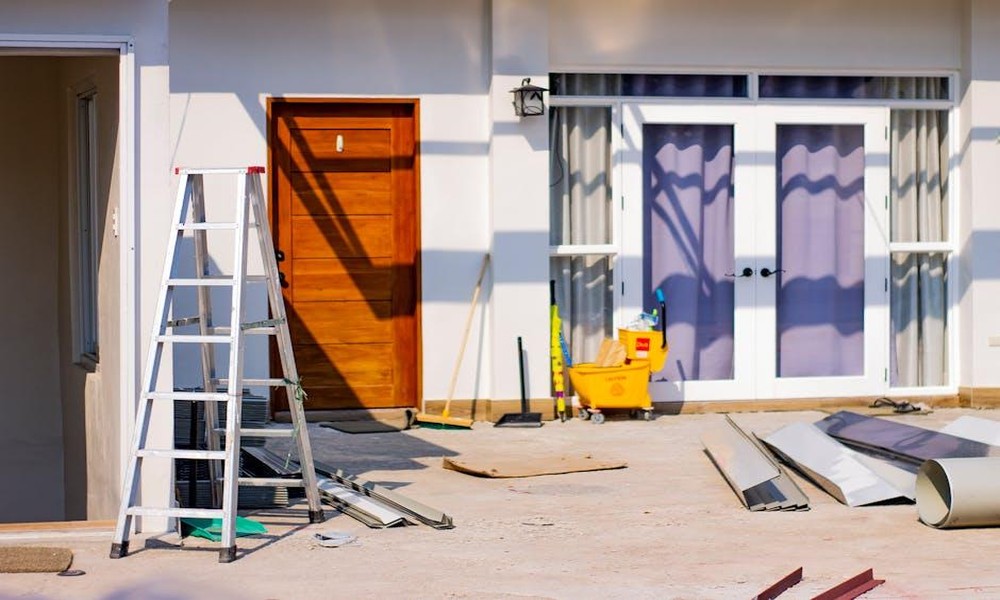
When considering home improvements, the exterior often provides the most immediate visual impact and, consequently, some of the highest returns on investment. Buyers form their first impressions within moments of seeing a property, making curb appeal a critical factor in resale value.
One of the standout projects for ROI is garage door replacement. According to a 2024 study by Remodeling Magazine, a new garage door delivered an estimated resale value of $8,751, equating to an impressive 193% return on investment. Other reports even indicate a staggering 268% ROI for garage door replacement, with an average cost of $4,672 yielding a resale value of $12,507. This significant return highlights how a modern, insulated garage door with updated hardware and windows can dramatically enhance a home’s aesthetic and perceived value, accounting for up to 30% of a home’s front-facing facade.
Siding replacement is another exterior upgrade that consistently offers strong returns. Fiber-cement siding, for example, boasts an impressive 114% ROI, with an average cost of $21,485 translating into a resale value of $24,420. Vinyl siding also performs well, typically recouping between 65-95% of its cost, and in some cases, up to 97% at resale. These projects not only refresh the home’s appearance but also offer durability, often lasting around 30 years, and improved insulation. For homeowners looking to add a touch of luxury and permanence, manufactured stone veneer siding can yield an even higher ROI, averaging 153% by signaling quality to potential buyers.
Beyond these major overhauls, smaller, budget-friendly exterior updates can also make a significant difference. Simple acts like replacing an outdated mailbox or updating house numbers can signal meticulous home maintenance to prospective buyers. Pressure washing the exterior of a home, including the siding, sidewalks, driveways, patios, or decks, can cost between $241 and $418 and instantly remove dirt and grime, creating a fresh, well-maintained look. These seemingly minor improvements contribute to an overall boost in curb appeal, which studies suggest can increase home value by at least 7%. If you’re looking for comprehensive solutions to enhance your home’s exterior, including gutters and other protective elements, exploring professional exterior home improvement upgrades can provide valuable insights and services.
Boosting Curb Appeal through Entryway Home Improvement Upgrades
The entryway serves as the focal point of a home’s curb appeal, making it a prime target for high-ROI upgrades. A new entry door is one of the most impactful renovations, often being the first thing buyers notice. Replacing an existing entry door with a steel model can yield a remarkable 216% ROI, with an average cost of $2,435 resulting in a resale value of $5,270. Steel doors are particularly appealing to buyers due to their enhanced security, energy efficiency, and low maintenance requirements. Fiberglass options also provide similar benefits, offering a strong first impression.
Beyond the door itself, other elements of the entryway contribute significantly to curb appeal. Experts often recommend choosing a colorful door, or painting an existing one, to add personality and make a memorable statement. Jewel and earth tones are currently trending for exterior paint, offering a sophisticated and inviting aesthetic. For front porches, adding comfortable and attractive seating, such as classic rocking chairs, can transform the space into an inviting outdoor living area. A pair of well-placed porch rockers can help potential buyers envision themselves enjoying the home.
Symmetrical landscaping around the entryway, with well-maintained plants and clear pathways, further enhances the welcoming feel. These thoughtful touches create a cohesive and appealing exterior that not only attracts buyers but also leaves a lasting positive impression, potentially increasing the home’s value.
Maximizing Interior Value with Kitchen and Bathroom Refreshes
Moving inside, kitchens and bathrooms remain two of the most critical areas for homeowners looking to maximize interior value. These spaces are often considered the heart of the home and are major selling points, making strategic renovations here highly beneficial.
A minor kitchen remodel consistently offers one of the best ROIs among interior projects. This typically involves updating key elements without a full gut renovation. For instance, a minor remodel of a 200-square-foot kitchen, which includes replacing cabinet fronts, updating countertops, and installing mid-range appliances, costs approximately $28,458 but can recoup about $32,141 at resale, yielding an impressive 113% ROI. This contrasts sharply with a major upscale kitchen remodel, which often sees diminishing returns, recouping only about 51% of its expenses. The key takeaway here is that moderate, thoughtful updates often outperform luxury overhauls when it comes to resale value.
Kitchen Remodel Type Average Cost (approx.) Resale Value (approx.) ROI (approx.) Minor Kitchen Remodel $28,458 $32,141 113% Major Upscale Remodel $75,000 – $150,000+ $28,000 – $76,500 38% – 51% Data based on various Cost vs. Value reports, illustrating the diminishing returns of high-end renovations.
For bathrooms, a similar principle applies. A midrange remodel of a 5×7-foot bathroom, costing around $26,138, typically recoups about 80% of its cost at resale. This is significantly higher than an upscale bathroom overhaul, which might only return 42%. Focusing on neutral paint palettes and modern, clean finishes in both kitchens and bathrooms helps appeal to a broader range of buyers, allowing them to envision their own style within the updated space.
Flooring is another crucial element. While replacing all flooring can be a significant investment, refinishing existing hardwood floors is a cost-effective way to refresh a space. This project costs an average of $1,889, or roughly $3 to $8 per square foot, and can dramatically improve a room’s appearance. For areas where hardwood isn’t present or desired, luxury vinyl plank (LVP) in popular gray or espresso tones offers excellent durability, aesthetic appeal, and easy maintenance, making it a preferred choice for many buyers. These planks typically run about $3-$10 per square foot, providing a sturdy and attractive alternative to more expensive options.
Smart Kitchen and Bath Home Improvement Upgrades
Beyond surface-level aesthetics, incorporating smart and functional upgrades in kitchens and bathrooms can significantly enhance appeal and efficiency. Modern buyers increasingly prioritize features that offer convenience, sustainability, and improved daily living.
In bathrooms, replacing older, inefficient toilets with low-flow models is a smart move. Modern low-flow toilets typically use 1.28 gallons per flush (GPF), a significant reduction from older models that used 1.6 GPF or more. These newer designs move water more forcefully with less volume, ensuring efficiency without sacrificing performance. Options like the Glacier Bay 1.28 GPF Single Flush round toilet ($99) or Kohler’s Cimarron 1.28 GPF Single Flush elongated toilet ($269) offer accessible upgrades.
For enhanced accessibility and a spa-like feel, walk-in shower kits are a popular upgrade. A prefab walk-in shower kit can range from $700 to $3,000, depending on quality and size, with installation costs extra. These can include features like grab bars and molded seats, catering to aging-in-place trends. Similarly, upgrading to ADA/chair height toilets improves comfort and accessibility for a wider demographic of users.
Modern hardware and fixtures also play a crucial role in updating the look and feel of these spaces. Brushed nickel and matte stainless-steel finishes are popular for a contemporary style, while oil-rubbed bronze can complement homes with more classic lines. These small changes can make a big visual impact.
Integrating smart appliances and LED lighting further elevates the functionality and appeal of kitchens and baths. Smart appliances offer convenience and energy savings, while LED lighting provides bright, energy-efficient illumination that can be customized to create different ambiances. These thoughtful upgrades demonstrate a home’s modernity and efficiency, appealing to a broad range of prospective buyers.
Energy Efficiency and Structural Performance
Investing in energy-efficient upgrades and ensuring robust structural performance are foundational home improvements that deliver both immediate savings and long-term value. These projects may not always be visible, but their impact on comfort, utility costs, and resale appeal is substantial.
One of the most effective energy-efficient upgrades is improving attic insulation and air sealing. These projects can yield an impressive ROI of 70-100% by significantly reducing heat loss and gain. Proper attic insulation, combined with meticulous air sealing, ensures a more stable indoor temperature, leading to lower heating and cooling bills. Similarly, addressing moisture issues in basements is crucial for structural integrity and indoor air quality. Implementing effective basement wall water barrier upgrades can prevent water intrusion, protect against mold, and improve the overall health of your home’s foundation. Installing a sump pump and ensuring adequate dehumidification further safeguard this critical area, reducing mustiness and protecting against water damage.
Replacing an outdated HVAC system is another high-impact upgrade. A modern, energy-efficient HVAC system not only attracts potential buyers-who appreciate a well-maintained and cost-effective home-but also helps homeowners recoup 60-75% of the cost when selling. With rising energy costs, a new system that promises lower utility bills is a significant draw. Furthermore, homeowners may qualify for tax breaks for installing energy-efficient models. For those considering a new heating and cooling system, exploring options for HVAC home upgrades can provide tailored solutions that meet specific needs and climate demands. Multi-zone HVAC systems are particularly attractive, ranking among buyers’ top five most-wanted technology features, allowing for customized climate control in different areas of the home.
Energy Star certified windows are another excellent investment. Replacing old, drafty windows with Energy Star models can reduce household energy bills by an average of 12%. Beyond the savings, new windows enhance comfort by minimizing drafts and improve curb appeal. Homeowners can also benefit from federal tax credits for these upgrades. The IRS offers an Energy Efficient Home Improvement Credit, allowing taxpayers to claim up to $3,200 annually for qualified energy-efficient improvements made through 2025. This includes specific limits for windows and skylights ($600) and exterior doors ($250 per door, up to $500 total). To claim this, homeowners typically file IRS Form 5695.
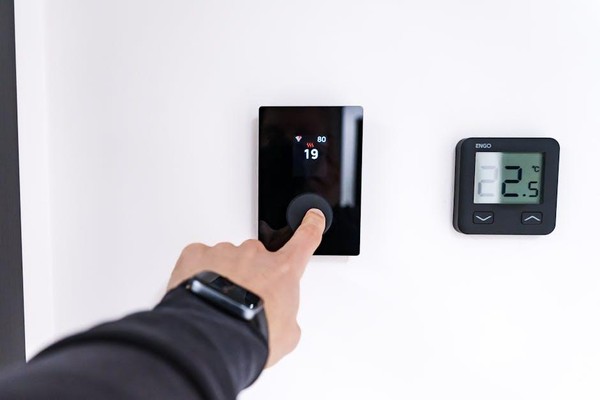
Smart thermostats, such as those from Copeland or Aprilaire, are relatively inexpensive upgrades ($150-$400) that offer significant energy savings and convenience. These devices can learn your schedule, adjust temperatures based on occupancy, and even be controlled remotely, optimizing energy consumption and reducing utility costs.
Finally, as electric vehicle (EV) ownership grows, the demand for at-home EV charging stations is rapidly increasing. Although only a small percentage of homes currently offer EV charging, this feature is becoming a highly sought-after amenity, especially in areas with high EV adoption. Installing an EV charger can make a home particularly appealing to a growing segment of buyers.
Expanding Living Space and Functional Trends
In today’s housing market, homeowners are increasingly seeking ways to maximize their living space and enhance functionality without necessarily moving to a larger property. This trend is driven by factors like the rise of remote work and a desire for more personalized, versatile homes.
Finishing a basement is a prime example of an upgrade that significantly expands usable living space. While appraisers may not assign the same per-square-foot value to below-grade areas as they do to main-floor additions, a finished basement can still offer a potential ROI of 70%. The average cost to finish a basement is around $32,000, but it can range up to $100,000 depending on square footage and finishes. This investment transforms an unfinished space into a valuable “blank canvas” for potential buyers, whether as a guest suite, entertainment area, or home office.
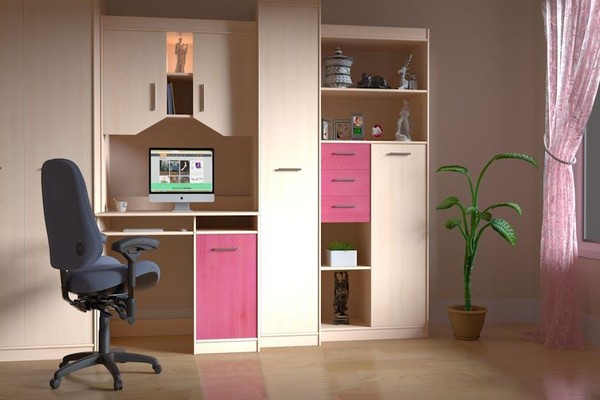
The proliferation of remote work has made dedicated home office conversions a highly desirable feature. With 23% of the U.S. workforce working from home in late 2025, creating a functional and comfortable workspace is a smart investment. This can involve converting a spare bedroom, a portion of a basement, or even a large closet into an efficient office. In markets with a high number of telecommuters, a well-designed home office can significantly increase property appeal.
Outdoor living spaces have also become a must-have feature for homebuyers. Adding a wood deck, for instance, can provide a 45-55% ROI, with construction costs typically ranging from $3,600 to $7,200. Decks, patios, and screened porches offer valuable areas for dining, entertaining, or simply relaxing outdoors, effectively extending a home’s usable square footage. Even in climates like Oregon, where rain is common, outdoor living spaces hold significant appeal, with recent numbers showing that about a quarter of surveyed future homebuyers ranked a well-designed outdoor space as “very important.” Features like fire pits further enhance the appeal of these outdoor areas, creating inviting gathering spots.
Practical additions like concrete parking pads can also add significant value, especially in urban or crowded areas where street parking is at a premium. A parking pad costing around $1,200 can be a huge upgrade in such markets.
Finally, smart home features, particularly security camera systems, are increasingly important to buyers. The National Association of Home Builders (NAHB) reports that 76% of recent buyers rated security cameras as essential, a substantial increase from 40% in 2012. Wired home security systems are also highly desirable, with 61% of buyers expressing interest. These features enhance safety and peace of mind, making a home more attractive in today’s market.
Projects to Reconsider and Budget-Friendly DIY Tips
While many home improvements offer excellent returns, some projects carry a low or even negative ROI, making them less advisable for homeowners primarily focused on increasing resale value. Understanding which projects to approach with caution can save significant time and money.
High-cost, highly personalized projects often fall into the low-ROI category. Swimming pools, for example, typically offer a modest 40-50% ROI. While a pool can be a great amenity for personal enjoyment, its high maintenance costs and limited appeal to all buyers (especially families with young children or those in cooler climates) mean it rarely recoups its full investment at resale. Similarly, garage conversions, while adding square footage, also tend to have a low ROI of 40-50%. These conversions can remove valuable parking or storage space, which can be a deterrent for some buyers.
Upscale master suite additions, specialized hobby rooms, and sunrooms are other projects that often deliver diminishing returns. While they might be luxurious or highly customized to a homeowner’s tastes, their high cost often exceeds what buyers are willing to pay, especially if they push the home’s value significantly above neighborhood comparables. The general rule of thumb is that minor, mid-range upgrades tend to outperform major, luxury renovations in terms of ROI.
For homeowners looking to make noticeable improvements without major renovations or significant expense, many budget-friendly DIY projects can refresh a home. These quick weekend projects deliver immediate satisfaction and can subtly boost appeal:
- Swapping Switch Plates and Outlet Covers: An inexpensive way to update the look of a room, especially if old ones are yellowed or cracked.
- Peel-and-Stick Tiles: A renter-friendly and easy-to-install option for updating backsplashes, bathroom floors, or even shower walls, providing a fresh look without the commitment or cost of traditional tiling.
- Grout Refreshing: Cleaning and re-sealing or even coloring old grout lines can dramatically brighten and clean up tiled surfaces in kitchens and bathrooms.
- Interior Painting: A fresh coat of paint in a neutral palette is one of the most cost-effective ways to transform a room. Interior painting offers an impressive 107% ROI, making it a no-brainer for pre-sale preparation or simply refreshing a space.
- Decluttering and Organizing: While not a renovation, thoroughly decluttering and organizing every space, from closets to garages, makes a home feel larger, cleaner, and more appealing to potential buyers and appraisers. This step is crucial for maximizing perceived value.
When considering any project, it’s also important to weigh professional versus DIY renovations. While DIY can save on labor costs, professional work often ensures higher quality, adherence to codes, and can be critical for maximizing ROI on more complex projects. For critical systems like electrical, plumbing, or structural changes, professional installation is almost always recommended to ensure safety and long-term value.
Frequently Asked Questions about Home Upgrades
Homeowners often have specific questions when planning renovations, particularly regarding how these projects impact their property’s value and their wallets. Here, we address some of the most common inquiries.
What home improvement offers the highest return on investment?
Garage door replacement currently leads with a 268% ROI, followed closely by steel entry door replacement at 216%, as these projects significantly boost curb appeal for a relatively low initial cost. These exterior upgrades make a strong first impression and signal a well-maintained home, which is highly attractive to buyers. Minor kitchen remodels and energy-efficient upgrades also consistently rank high, often recouping 70-113% of their costs.
Are there tax credits available for energy-efficient renovations?
Yes, the Energy Efficient Home Improvement Credit allows homeowners to claim up to $3,200 annually for qualified upgrades like heat pumps, insulation, and Energy Star windows through 2025. This credit covers 30% of certain qualified expenses, with specific limits for different types of improvements (e.g., $600 for windows/skylights, $250 per exterior door up to $500 total, and $2,000 for heat pumps). It’s important to keep records and file IRS Form 5695 with your tax return to claim these benefits.
Which projects should I avoid if I plan to sell soon?
Homeowners should generally avoid high-maintenance luxury items like swimming pools, upscale master suite additions, and converting garages into living space, as these often return less than 50% of their cost. Pools, while enjoyable, come with significant upkeep and aren’t universally desired. Highly personalized or overly luxurious renovations often exceed what the local market will support, leading to diminishing returns. Instead, focus on mid-range, broadly appealing upgrades that enhance functionality and curb appeal.
Conclusion
Navigating home improvement upgrades requires a strategic approach, balancing personal comfort and aesthetic desires with the practicalities of resale value and efficiency. As we’ve explored, thoughtful renovations can significantly enhance your home’s appeal and long-term appreciation.
The key lies in strategic planning, beginning with an understanding of local market conditions and climate-specific needs. What adds value in one region or neighborhood might not in another. Prioritizing projects that offer high ROI, such as garage door and entry door replacements, minor kitchen and bathroom remodels, and energy-efficient upgrades, ensures that your investment is well-placed.
It’s also crucial to consider the balance between personal enjoyment and potential resale value. While some projects, like a swimming pool, might offer immense personal satisfaction, they may not yield the same financial return. For maximum value, focus on improvements that appeal to a broad range of buyers, enhance functionality, and reduce long-term maintenance or utility costs.
Finally, preparing your home for appraisal involves more than just major renovations. Simple steps like decluttering, a fresh coat of paint, and ensuring all systems are in good working order can make a significant difference in how your home is valued. By making informed choices, you can create a home that is not only a joy to live in but also a sound financial asset.

Tereso Sobo is an interior and home living writer who focuses on residential décor, renovation inspiration, and functional design ideas. He shares practical approaches to creating stylish and comfortable living spaces.
