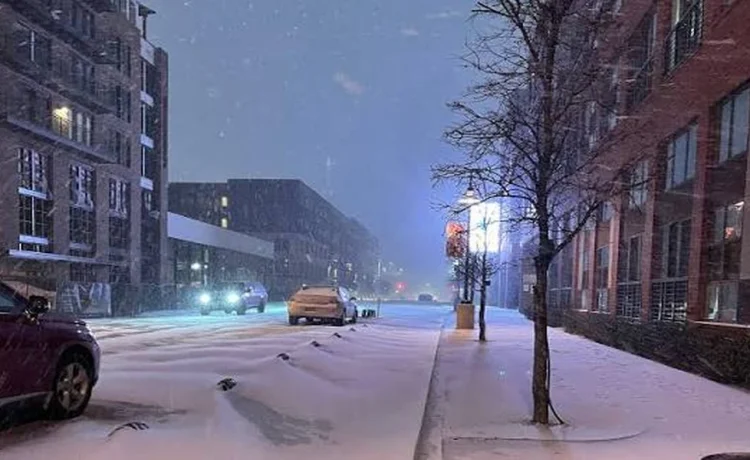
Fall in North Texas rarely eases into winter. The same stretch of months can bring a round of severe thunderstorms with heavy lightning, a week of mild afternoons, and then a hard overnight freeze that sends every furnace, heat pump, and space heater in the neighborhood into action at once. Electrical systems feel each of those swings. Storms push voltage spikes through the wiring, cold snaps pile heating load onto circuits that sat idle all summer, and outages test whatever backup plan a household has pieced together.
Most of the problems that show up in January begin as small issues that were easy to spot in October. A breaker that runs warm, an outdoor outlet with a cracked cover, or a generator that has never been connected properly will all behave fine on a pleasant afternoon. Cold weather and high demand are what expose them, usually at the worst possible hour.
Homeowners in Grapevine, Southlake, and Colleyville who want these checks handled in one visit have a local option with deep roots in the area. Working with an experienced Electrician in Grapevine means one licensed team can test the panel, install whole-house surge protection, set up a safe generator connection, and look over pool equipment wiring before the season turns. DUB Electric has served the community since 2011, and a pre-winter inspection from a crew that already knows the housing stock and local code expectations is a practical way to go into the cold months without surprises.
1. Whole-House Surge Protection
Lightning does not need to hit a house to damage it. A strike on a nearby line or transformer can send a surge through the service and into every connected device. A whole-house surge protective device mounted at the panel absorbs much of that energy before it spreads, and it works best paired with point-of-use protectors at the TV, computer, and other sensitive electronics. Newer electrical code editions call for surge protection on dwelling services when a service is installed or replaced, which says a lot about how common surge damage has become. These devices also wear out over time, so an older unit with a dark or red indicator light needs replacing, especially after a heavy storm season.
2. A Proper Generator Connection
Running a portable generator through an extension cord threaded under a door is common and risky. Plugging a generator into a wall outlet with a double-ended cord is far worse, because it can backfeed power onto utility lines and endanger line workers. The safe routes are:
- A manual transfer switch that powers selected circuits
- A panel interlock kit paired with an outdoor inlet box
- An automatic transfer switch for a permanently installed standby unit
Whichever method fits, the generator itself should sit well away from windows and doors to keep carbon monoxide out of the house.
3. Pool Equipment and Freeze Protection
Backyard pools are everywhere across this part of Tarrant County, and a freeze is one of the costliest things that can happen to them. Most modern pool systems include a freeze protection sensor that runs the pump when temperatures drop near freezing, keeping water moving through exposed plumbing. That only works if the equipment has power and the controls are set correctly. Before winter, confirm the freeze sensor is active, check that the GFCI protecting the pump trips and resets properly, and look for corroded connections or damaged conduit around the equipment pad. Variable speed pumps may need their freeze settings reviewed after a firmware or programming change.
4. Heat Pump Backup Heat Circuits
Heat pumps handle most North Texas winter days easily, but during a deep freeze they lean on electric resistance strips for backup. Those strips can draw 10 to 20 kilowatts, far more than the compressor alone. The breakers and lugs feeding them sit unused for months, and loose or oxidized connections tend to reveal themselves the first time they carry full load. Having those terminations checked and tightened, and confirming the thermostat’s auxiliary heat settings are programmed sensibly, keeps the system from tripping or overheating when it matters most.
5. Space Heater Loads on Shared Circuits
A standard space heater on its high setting draws about 1,500 watts, or roughly 12.5 amps. A 15-amp bedroom circuit is only meant to carry about 12 amps continuously, which means one heater can use up that entire circuit. Add a lamp, a phone charger, and an electric blanket on the same line and nuisance tripping becomes likely. Heaters should plug directly into a wall outlet rather than a power strip, and any outlet or plug that feels warm to the touch is a sign of a loose connection that needs attention.
6. Outdoor Outlets and Holiday Lighting
Cooler, wetter months are hard on exterior outlets. Moisture gets behind cracked covers, and GFCI devices age out after years of exposure. Test every outdoor GFCI by pressing the test and reset buttons, and replace flat covers with in-use bubble covers that stay closed while something is plugged in. For seasonal lighting, a few habits prevent most problems:
- Use LED strands, which draw a fraction of the power of older incandescent sets
- Avoid chaining more strands together than the packaging allows
- Put displays on a timer or photocell instead of leaving them on around the clock
- Keep plug connections off the ground and away from standing water
7. Attic Wiring Before Pests Move In
As nights cool, roof rats and squirrels look for warm spaces, and attics are an easy target. Rodents chew through wire insulation, which can leave exposed conductors inside dry insulation and framing. A walkthrough of the attic before winter is a good time to check for gnawed cable, uncovered junction boxes, and damaged attic fan wiring. Attic fans controlled by a thermostat should also be set so they do not run during cold weather and pull heated air out of the house.
8. Smoke and Carbon Monoxide Alarms
Heating season is when fuel-burning appliances run the hardest, and many homes in the area still rely on gas furnaces and water heaters. Smoke alarms should be replaced about every 10 years, and carbon monoxide alarms often need replacing sooner, commonly within 5 to 7 years. The manufacture date is printed on the back of each unit. Hardwired, interconnected alarms offer the best coverage, since one alarm sounding sets off all of them, and combination smoke and CO units simplify coverage in hallways near bedrooms.
Taken together, these checks cover the storms, the cold, and the outages that winter tends to bring to this region, and most can be addressed in a single visit well before the first freeze warning.