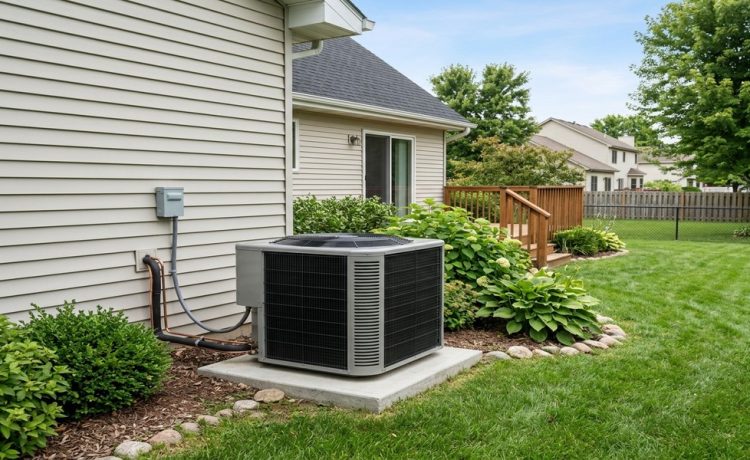
Identifying Common Performance Issues in Residential Systems
Recognizing the early warning signs of an AC unit struggling to perform is the first step toward preventing minor issues from escalating into costly breakdowns. For families in Des Moines, IA, being attuned to these signals can make a significant difference in maintaining home comfort and managing expenses. Ignoring these indicators can lead to decreased efficiency, higher energy bills, and a shorter lifespan for your system.
One of the most immediate indicators of a problem is unusual noises emanating from your AC unit. While some operational sounds are normal, grinding, squealing, banging, or persistent rattling often point to mechanical issues. These could range from loose parts, worn-out bearings in the motor, or even a failing compressor. Addressing these sounds promptly can prevent further damage to interconnected components.
Thermostat malfunctions can also be a source of frustration and inefficiency. If your thermostat isn’t accurately reflecting the room temperature, if it fails to respond to setting changes, or if the display is blank, it might be more than just a battery issue. A faulty thermostat can lead to your AC running constantly or not at all, resulting in uneven cooling and wasted energy.
Poor airflow from your vents is another common sign that something is amiss. This could be due to a clogged air filter, which restricts air passage and forces your system to work harder. Alternatively, it might indicate issues with the blower motor, leaky ductwork, or even blockages within the system itself. Reduced airflow means your home isn’t getting the cool air it needs, leading to discomfort and an overworked AC.
Uneven cooling across different rooms or areas of your home suggests that your AC system isn’t distributing air effectively. This could be related to ductwork problems, an improperly sized unit, or issues with zoning systems if you have them. One room might be freezing while another remains warm, signaling a need for professional assessment to restore balanced comfort.
The presence of moisture accumulation around your indoor AC unit or near the furnace can be particularly concerning. While a small amount of condensation is normal, excessive water leakage could indicate a clogged condensate drain line, a frozen evaporator coil, or even a refrigerant leak. Any significant water presence should be investigated immediately to prevent water damage and mold growth.
Strange odors coming from your vents when the AC is running should never be ignored. A musty smell often points to mold or mildew growth within the ductwork or evaporator coil, which can negatively impact indoor air quality. A burning smell could indicate an electrical issue, while a smell resembling rotten eggs might signal a gas leak (though less common with AC, it’s critical to be aware of for overall HVAC safety).
A noticeable spike in your rising utility bills without a corresponding increase in usage is a strong sign of an inefficient AC unit. As components wear down or the system struggles, it consumes more energy to achieve the same level of cooling, directly impacting your monthly expenses. This inefficiency often means your system is working harder than it should, reducing its overall lifespan.
Other, more subtle signs include sensor issues, where the AC unit’s sensors are not correctly detecting temperatures, leading to improper cycling. Similarly, problems with electrical components such as capacitors, contactors, or wiring can cause the unit to start and stop erratically, or fail to turn on at all. These issues often require the expertise of a trained technician to diagnose and resolve safely.
When any of these signs appear, it’s advisable to seek professional help. Addressing these problems early can often result in simpler, more affordable repairs compared to waiting until the system completely breaks down. For families seeking reliable solutions, understanding these common issues is key to making informed decisions about your home’s comfort system. Engaging with experienced professionals for ac repair des moines ia can provide the peace of mind that your system is in capable hands.
Strategic Maintenance for Cost-Effective HVAC Performance
Proactive care is arguably the most impactful strategy for ensuring the longevity and efficiency of your home’s HVAC system. Just as you wouldn’t drive a car for years without an oil change, neglecting your AC unit can lead to premature wear, reduced performance, and unexpected breakdowns. Strategic maintenance is not merely about fixing problems; it’s about preventing them, optimizing performance, and extending the operational life of your equipment.
At the heart of strategic maintenance are annual tune-ups, ideally performed in the spring before the peak cooling season. During these comprehensive checks, a technician will meticulously inspect your system, looking for any potential issues. This includes tasks such as cleaning components, checking electrical connections, and ensuring all parts are functioning correctly. These annual visits are crucial for catching small problems before they become major, expensive repairs.
One of the simplest yet most effective maintenance tasks is regular filter replacement. A clogged air filter restricts airflow, forcing your AC to work harder and consume more energy. This not only drives up your utility bills but also puts unnecessary strain on the system, potentially shortening its lifespan. We recommend checking your filter monthly and replacing it every 1-3 months, depending on usage and household factors like pets or allergies.
Coil cleaning is another vital aspect. Your AC unit has two main coils: the evaporator coil (indoor) and the condenser coil (outdoor). Over time, these coils can accumulate dirt and debris, which acts as an insulator, hindering heat exchange. When coils are dirty, the system struggles to cool your home efficiently, leading to higher energy consumption. Professional cleaning ensures these coils are free of buildup, allowing for optimal heat transfer.
Maintaining proper refrigerant levels is critical for your AC’s cooling capacity. Refrigerant is the substance that absorbs heat from your home and releases it outside. If the refrigerant level is low, it often indicates a leak in the system, which can severely impair cooling performance and damage the compressor. A professional tune-up includes checking refrigerant levels and addressing any leaks.
System calibration ensures that all components, including the thermostat, are working in harmony. This involves verifying that the thermostat is accurate, that the fan motor is operating at the correct speed, and that the system is cycling on and off as it should. Proper calibration contributes to consistent cooling and energy efficiency.
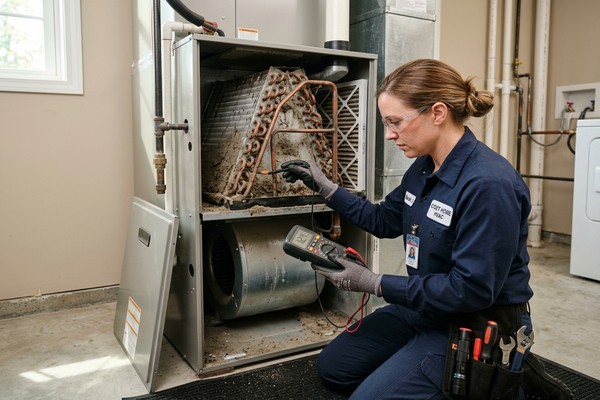
The benefits of regular HVAC maintenance are substantial and measurable. For instance, statistics show that regular HVAC maintenance can increase the lifespan of your system by up to double. Considering the average lifespan of an HVAC system is 15 to 25 years, consistent maintenance can help your unit reach the higher end of that range, delaying the significant investment of a full replacement.
Furthermore, proper AC maintenance can improve energy efficiency, leading to savings on monthly energy costs. When your system runs efficiently, it uses less power to achieve the desired temperature, directly translating to lower utility bills. This makes maintenance a smart financial decision, paying for itself over time through energy savings and avoided repairs.
Beyond efficiency and longevity, preventative care also plays a crucial role in ensuring safety inspections. Technicians can identify potential hazards like faulty wiring, gas leaks (in furnace components), or refrigerant leaks that could pose risks to your family. Addressing these issues proactively ensures the safe operation of your entire HVAC system.
By investing in strategic maintenance, families can enjoy enhanced operational lifespan, improved energy efficiency, and the peace of mind that comes with preventative care and thorough safety inspections. This approach transforms HVAC management from a reactive expense into a proactive investment in your home’s comfort and financial well-being.
Evaluating the Choice Between Repair and Replacement
One of the most challenging decisions homeowners face regarding their AC system is whether to repair a failing unit or invest in a complete replacement. This choice involves weighing immediate costs against long-term benefits, and consider several factors to make the most cost-effective decision for your family.
The most significant factor is often the system age. The average lifespan of an HVAC system is 15 to 25 years. If your AC unit is approaching or has exceeded the 10-15 year mark, especially if it’s experiencing frequent issues, replacement might be the more economical choice in the long run. Older units are generally less efficient and more prone to breakdowns.
Consider the frequency of repairs. If your AC unit requires repairs every season, or if individual repair costs are adding up to a substantial percentage of a new system’s price, it’s a strong indicator that replacement is imminent. Continually patching up an aging system can become a money pit, draining your budget with diminishing returns in comfort and reliability.
Another crucial consideration is the system’s SEER ratings. SEER (Seasonal Energy Efficiency Ratio) measures the efficiency of air conditioners. Older units typically have lower SEER ratings (e.g., 8-10 SEER), while modern, high-efficiency models can boast ratings of 16 SEER or higher. Upgrading to a unit with a higher SEER rating can significantly reduce your energy consumption and monthly utility bills, offering substantial savings over the system’s lifetime.
Technological advancements in newer AC units offer more than just improved efficiency. Modern systems often come with features like variable-speed compressors, smart thermostat compatibility, and enhanced filtration, all contributing to superior comfort and indoor air quality. These advancements can provide benefits that an older system simply cannot match, even with repairs.
The environmental impact of your system is also worth considering. Older units might use refrigerants like R-22, which is being phased out due to its ozone-depleting properties. Newer systems use more environmentally friendly refrigerants and are designed to be more energy-efficient, reducing your carbon footprint.
Indoor air quality and humidity control are often improved with new, properly sized systems. An aging or struggling AC might not effectively remove humidity from your home, leading to uncomfortable stickiness and potential mold growth. A new unit, especially one with advanced features, can maintain ideal indoor humidity levels, contributing to a healthier and more comfortable living environment.
Finally, ensure the capacity requirements of any new system are accurately assessed. An improperly sized unit, whether too large or too small, will operate inefficiently and struggle to maintain consistent temperatures. Professional assessment ensures the new system perfectly matches your home’s cooling needs.
While the upfront cost of a new AC unit can be substantial, the long-term benefits of increased energy efficiency, enhanced comfort, reduced repair costs, and improved indoor air quality often make replacement a wise investment. Scheduling routine HVAC maintenance can help prevent costly repairs and extend the operational life span of your system, but there comes a point where the cost of repairs outweighs the benefits. Consulting with a trusted HVAC professional can provide a detailed analysis of your current system’s condition and help you make an informed decision tailored to your family’s needs and budget.
Environmental Factors and Climate Considerations for Home Comfort
Des Moines, IA, presents a unique set of climatic challenges for homeowners striving to maintain indoor comfort. Understanding how these regional climate impact your HVAC system is crucial for effective maintenance, repair, and replacement decisions. Our summers are often characterized by significant heat and high humidity, while winters can be bitterly cold. This wide temperature swing demands a versatile and robust HVAC system.
During the hot and muggy summer months, humidity management becomes as important as temperature control. High indoor humidity can make your home feel warmer than it is, even at a comfortable thermostat setting, and can foster the growth of mold and mildew. Your AC unit plays a vital role in dehumidifying the air as it cools. However, an old or struggling unit may not effectively remove moisture, leaving your home feeling sticky and uncomfortable. The ideal indoor humidity level ranges between 40 and 60 percent, a balance that a well-functioning AC system should help maintain. If you notice persistent stickiness or condensation, it’s a sign your system might need attention.
The versatility of heat pump systems is particularly beneficial in Des Moines’ climate. Heat pumps can provide both heating in the winter and cooling in the summer, making them a dual-purpose solution. Their efficiency in moderate temperatures can lead to significant energy savings, though supplemental heating might be needed during the coldest winter days. Similarly, geothermal options offer an even more energy-efficient solution by harnessing the stable temperatures of the earth, providing consistent heating and cooling regardless of extreme outdoor conditions. While the initial investment is higher, the long-term energy savings and environmental benefits are substantial.
Beyond the HVAC unit itself, other elements of your home play a critical role in maintaining comfort. Insulation quality is paramount. Well-insulated walls, attics, and windows act as barriers against extreme outdoor temperatures, reducing the workload on your AC and furnace. Poor insulation allows heat to seep in during summer and escape during winter, leading to higher energy bills and decreased comfort.
The integrity of your ductwork is equally important. Leaky or poorly sealed ducts can lose a significant amount of conditioned air before it reaches your living spaces. This means your AC unit works harder to cool your home, wasting energy and money. Regular inspections and sealing of ductwork can ensure that cooled air is delivered efficiently.
Navigating seasonal transitions effectively can also optimize your home comfort. Ensuring your AC is serviced in the spring and your furnace in the fall prepares them for their respective peak seasons. Thermostat scheduling and smart home integration offer modern solutions to manage these transitions. Programmable or smart thermostats allow you to set different temperatures for various times of the day, ensuring comfort when you’re home and saving energy when you’re away. Smart systems can even learn your preferences and adjust automatically, adapting to changing weather patterns.
By considering these environmental factors and implementing appropriate solutions, families in Des Moines can create a more comfortable, energy-efficient, and resilient home environment year-round. It’s about more than just cooling; it’s about holistic home comfort tailored to our specific climate.
Frequently Asked Questions about Cost-Effective HVAC
We understand that navigating HVAC needs can bring up many questions, especially when aiming for cost-effective solutions for your family. Here, we address some of the most common inquiries to help you make informed decisions.
What are the signs of an inefficient cost-effective HVAC system?
An inefficient HVAC system can sneakily drive up your energy bills and diminish your home comfort without an obvious breakdown. Key indicators include short cycling, where your AC unit turns on and off frequently without completing a full cooling cycle. This wastes energy and puts undue stress on the compressor. Persistent humidity indoors, even when the AC is running, suggests the system isn’t effectively dehumidifying the air. Weak airflow from your vents, or inconsistent temperatures across different rooms, are also red flags, indicating issues with air distribution or the unit’s cooling capacity. Finally, an increase in dust accumulation around your home can sometimes point to a clogged air filter or leaky ductwork, both of which reduce efficiency.
Can DIY tasks really support a cost-effective HVAC strategy?
Absolutely! While professional service is indispensable for complex issues, several DIY tasks can significantly contribute to a Cost-effective AC repair Des Moines strategy and overall HVAC health. Regularly changing your air filters is paramount; a clean filter ensures optimal airflow and efficiency. Periodically inspecting and clearing debris removal from around your outdoor condenser unit (leaves, grass clippings, etc.) helps prevent blockages and allows the unit to dissipate heat effectively. Ensure that no furniture, curtains, or other items are causing vent obstruction indoors, blocking the flow of conditioned air. For minor issues, performing basic troubleshooting like checking if the unit is plugged in, if the thermostat is set correctly, or if the main power switch is on can often resolve simple problems. Don’t forget to check your circuit breaker checks for the AC unit if it’s not turning on, and replace thermostat battery replacement if your thermostat display is blank or unresponsive. These simple steps can prevent unnecessary service calls and keep your system running smoothly.
How do I find a reputable service provider for my home?
Finding a trustworthy HVAC professional is key to ensuring quality service and long-term satisfaction. We recommend looking for companies whose technicians hold NATE certification (North American Technician Excellence). This certification signifies that technicians have passed rigorous industry-recognized exams, demonstrating a high level of knowledge and skill. In Des Moines, given our climate, it’s also wise to choose a provider that offers emergency availability, as AC breakdowns rarely happen at convenient times. Consider their service range – do they cover all your HVAC needs, from AC to heating to indoor air quality? Look for companies with brand expertise, meaning they are familiar with and can service a wide variety of AC makes and models. Always check customer testimonials and reviews to gauge their reputation and commitment to service. Finally, a reputable company will offer transparent communication, providing clear explanations of issues, proposed solutions, and upfront estimates before any work begins. This ensures you’re fully informed and comfortable with their services.
Conclusion
Ensuring your home’s air conditioning system operates efficiently and reliably is a cornerstone of family comfort, especially during Des Moines’ varied seasons. By understanding the common signs of AC trouble, embracing strategic maintenance, and making informed decisions about repairs versus replacement, you can significantly impact your home’s system reliability and achieve substantial long-term savings.
Our journey through AC repair in Des Moines, IA, has highlighted the importance of a proactive approach. From recognizing the subtle cues of an ailing unit to understanding the benefits of annual tune-ups, every step contributes to a healthier, more efficient home environment. Regular maintenance, as we’ve seen, not only extends your system’s life but also improves its energy efficiency, directly translating to reduced utility bills.
The goal is to foster consistent family comfort throughout the year. This comfort is achieved through proactive management of your HVAC system, ensuring that it is always performing at its best. By practicing energy conservation through smart usage and timely maintenance, you not only save money but also contribute to a more sustainable future.
Choosing the right professional for your HVAC needs is a critical part of this strategy. A trusted professional partnership provides expertise, peace of mind, and ensures that your system receives the best possible care. An investment in your HVAC system’s health is an investment in your home’s comfort and your family’s well-being.